Alla ma jrid li ħadd jitħassar. That’s why God gave everything to the people to accomplish His will and save people from death. Madankollu, people have been given a free will to make their own choices in life. They decide which path to go: the broad way of the world that leads to destruction or the narrow way of life that leads to eternal life. Matul il-Bibbja, we see the great love of God that doesn’t want anyone to perish. That’s why throughout the Bible God called the people to repentance. But what brought the people to repentance? The revelation and conviction of sin brought people to repentance. How else can a person repent if a person doesn’t see his sinful state and consider his works evil? Let’s look at the conviction of sin in the three dispensations of the Bible and how sin was revealed in each dispensation.
The conviction of sin in the dispensation of God
As mentioned in a post tal-blog preċedenti, we can divide the Bible into three dispensations: the dispensation of God the Father, L-Iben Ġesù Kristu (il-kelma ħajja), u l-Ispirtu s-Santu. Madankollu, in all three dispensations, we see the continuous collaboration between the Almighty God, Ġesù; il-Kelma, u l-Ispirtu s-Santu.
In the first dispensation of God, we see the relationship between God and His chosen people after the flesh; Iżrael (born of the seed of Jacob).
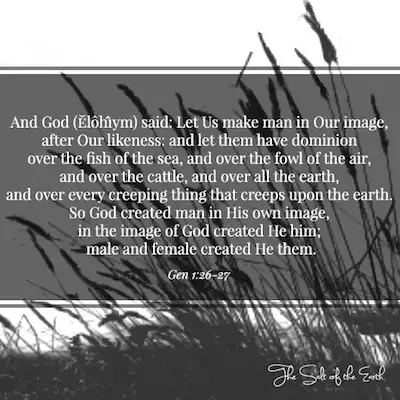
When God; El-Elohim created man after His own image, man was made perfect. Until man decided to go his own way and rebel against the words of God and sin.
L-ispirtu fil-bniedem miet u l-bniedem sar ruħ ħajja, who had knowledge of good and evil.
We read about the relationship between God and Abel, Enoch, Noah, Abraham, Iżakk, Ġakobb, Joseph, eċċ.
They all walked with God after His will, while God had not given them His law yet. But they listened to His words and believed His words and walked in ubbidjenza to His words.
Madankollu, we also read about Cain, Esaw, Ulied Alla, the people that lived in the time of Noah’, the inhabitants of Sodoma u Gomorra, eċċ. They all lived their own lives after the will, xewqat, and desires of their flesh in disobedience to God’s words.
Alla ta l-liġi Tiegħu
We read about God’s people that lived in Egypt under the oppression of Pharaoh for 400 years and how God saved them. God heard their cry and chose Moses as His representative to redeem His people out of Egypt and from the oppression of Pharaoh.
When God redeemed His people by His hand and led them into the wilderness, God revealed Himself through all the signs and wonders.
God wanted a relationship with His people. He wanted to be their God and that they would be His people. And so God gave them the Law that revealed His will concerning their lives.
Għal 400 snin, they lived after Pharaoh’s will and according to the Egyptian kultura, imġieba, and rituals and worshiped idols.
They were defiled and that’s why it was time, that God’s people would be cleansed from all unrighteousness and put off their old life.
The only way to do that was to renew their mind with God’s will because the mind determined their actions. Permezz tal- Law of righteousness and life, God made His will known to His people and sin was revealed.
The law represented not only God’s will but also God’s nature, tjieba, u qdusija.
The holy law of God brought light in the darkness and gave life to those that would submit to the Law (rieda ta’ Alla) and obey the Law.
The law revealed the truth and exposed every sin that leads to death. Because God didn’t want anyone of His people to perish. By keeping the law and all the precepts and ordinances that belonged to the law, His people would be blessed, salvat, and have life. But every person that belonged to His people had a choice to obey the law of God or not.
People decided to obey the Law or disobey the Law
Throughout this dispensation, we see that God’s people were devoted to God for a specific time and then turned away from Him. That’s the nature of il-ġuvni that walks after the flesh: devoted to God, turning away from God, crying to God for help, Indiema, devoting to God, turning away from God, eċċ.
Every time God’s people got into trouble by leaving His law and adopting the ulture, Dwana, and behavior of pagan countries, they cried out to God and nidem.
Imbagħad Alla, Who is faithful and full of mercy, sent His word (through an angel or His prophet(s)) u salvahom.
But it didn’t take long before His people rebelled again and became disobedient to the law and rejected God. But what exposed the sin in His people’s life? The law of God exposed the sin and apostasy of the carnal man.
The conviction of sin by the law
When the law of God was read before the people, the holiness of God became visible and sin was revealed to them. The law was their teacher and showed them how far they were driven away from God and His words. Then His people had a choice to jindmu jew le.
Without the law of God, which represents the law of righteousness and life, they were not aware of the fact that their lives were full of sin. His people had rejected the law, il-kliem ta’ Alla, and lived just like all the other nations, after the lusts and desires of the flesh.
They went their own way and did their own will and were led by their flesh instead of the Word of God.
They took strange women from pagan nations, they committed adultery, u l-idolatrija, there was sexual uncleanness and they allowed abominazzjonijiet in the house of the Lord.
But as soon as the law of Moses appeared and was read, sin was revealed and convicted man of sin. Without the law of Moses that came from God and represented His will, there was no awareness of sin.
The conviction of sin in the dispensation of Jesus Christ
Fit-tieni dispensa, naraw il-miġja ta’ Ġesù Kristu, l-Iben ta’ Alla, Tiegħu xogħol tal-fidwa, and His relationship with God’s people. Jesus is the Word that became flesh and lived among the people.
Jesus was anointed by God with the Holy Spirit and power. He went about doing good, healing all that were oppressed by the devil, għax Alla kien miegħu (Atti 10:38).
Jesus was the reflection of God and represented and brought the Kingdom of God, including the law of God (the law of of righteousness and life), fuq l-art.
Jesus lived according to the will of God and therefore He established and fulfilled the law. God’s holy nature lived in Jesus and He confronted the people of God with their sins.
The conviction of sin by the Word
Jesus is the Light that shone in the darkness. He brought all the things that were hidden in darkness into the light. The Light confronted people with their sins. The people of the house of Israel that heard His words and believed and were convicted in their hearts of their sins repented. They were baptized in water and removed the sins from their lives and segwa Ġesù.
But the people that were proud and rebellious in their hearts and had the devil as father were not willing to repent.
Huma rejected Jesus Christ; the Word and remained living in sin. They hated Jesus because Jesus testified of their evil works.
Id-dinja ma tistax tobgħodkom (il-ġuvni) since you are part of it), but it does hate Me (new Man filled with the Holy Spirit) because I denounce it and testify that its deeds are evil (John 7:7)
Kieku ma ġejtx u kellimthom, ma kellhomx dnub: imma issa m’għandhom l-ebda skop għad-dnub tagħhom. Min jobgħodni jobgħod lil Missieri wkoll. Kieku ma għamiltx fosthom ix-xogħlijiet li ħadd ma għamel, ma kellhomx dnub: but now have they both seen and hated both me and my Father. (John 15:22-24)
The confrontation with the living Word, Who represents the righteousness and holiness of God, revealed the sin in people. The living Word convicted the people of sin.
The conviction of sin in the dispensation of the Holy Spirit
Fit-tielet dispensa, we see the birth of the new creations and the relationship with the Holy Spirit. What the devil destroyed in the Ġnien tal-Eden was restored by Jesus Christ and His blood. Jesus established the Law and dealt with the sin problem of man.
Through His death and resurrection from the dead and by the coming of the Holy Spirit, il kreazzjonijiet ġodda twieldu.
Through repentance and regeneration in Christ, the flesh of the old man died and the spirit was raised from the dead by the power of the Holy Spirit.
The new man was born by ilma and Spirit and was no longer a son of the devil. But the new creation had become a son of God.
The new creation was reconciled in Jesus Christ with the Father and received His Holy Spirit.
The new creations didn’t belong to the world but to the Kingdom of God.
The Holy Spirit Who bears witness of Jesus Christ; il-Kelma, and represents the Kingdom of God, u l-liġi tal-ġustizzja u l-ħajja, lives inside the new creation. Just like God prophesied:
Wara dawk il-jiem, jgħid il-Mulej, Jiena npoġġi l-liġi Tiegħi f’ġewwieni, u jiktbuh f’qalbhom; u se jkun Alla tagħhom, u jkunu l-poplu Tiegħi
Ġeremija 31:33
The new creation submits to the Father, Word, and Spirit and does the will of God
God’s will and His nature live in the heart of the new creation through the abiding of the Holy Spirit.
The old evil nature of the devil that is present in the flesh doesn’t exist anymore. The flesh is crucified in Christ. Issa, God’s holy nature lives inside of the new creation.
Meta l-ħolqien il-ġdid jimxi wara l-Ispirtu, he shall submit himself to the Word and the Holy Spirit and the will of the Father and do the will of God. Therefore the new creation shall jistabbilixxi l-liġi (Rumani 3:31).
The conviction of sin by the Holy Spirit
Jesus bore witness of the Holy Spirit and said that the Holy Spirit reproves (convicts, confutes, admonishes, exposes, rebukes) the world of sin, u tal-ġustizzja, u tal-ġudizzju (John 16:8-10)
The Holy Spirit represents the will of God and convicts the sins of man. Just like Jesus convicted the sins of the people and called the people to repentance and to put away sin. And just like God convicted the sins of man, by the law and called His people to Indiema and to put away sin.
Alla, Ġesù, and the Holy Spirit are One. Għalhekk, They have the same nature and the same will. They shall never contradict Each Other!
The Holy Spirit is the Spirit of truth and exposes all the lies of the devil. Therefore everything that happens in darkness, He will bring into the light.
He confronts people with their sinful state. He reveals to them their evil works from God’s point of view instead of man’s point of view.
That’s why we need the Holy Spirit. He alone will convict the person of sin and shows him his defiled sinful nature.
Without a conviction of sin, a person cannot repent and lay down his life and put away his sins. That’s because the person is not aware of his sins.
The person doesn’t see the necessity of laying down his flesh and becoming born again in the spirit. He shall not consider the works of the flesh as evil. Therefore he shall never put off the carnal works of the flesh. The person will only do that if God reveals to him his spiritual state.
The goodness of God and conviction of sin bring man to repentance
Alla ma jrid li ħadd jitħassar. Huwa għalhekk li, because of His goodness, He gave His law, Ibnu, u l-Ispirtu s-Santu Tiegħu. So that the sins of the world, which are concealed in darkness and are hidden for the natural eyes of the old man, will be exposed and man has the opportunity to repent, remove his sins, jiġu salvati, and become a new creation in Jesus Christ.
‘Kun il-melħ tal-art’