Dina injil modern rahmat, sagalana geus diwenangkeun. Sagala paripolah, kaasup dosa, diwenangkeun tur ditarima, margi anu disebat asih Gusti sareng kurnia Allah. Ieu ngandung harti yén anjeun bisa tetep cara anjeun, do what you want to do, tur hirup cara rék hirup. Tapi ieu leres? What is grace according to the Bible? What does the grace of God mean for the lives of born again Christians? If you don’t have to change due to the grace of God, then why did the prophets, rasul, and Jesus call the people to repentance and talk about removing sins and living a holy life?
What kind of grace did Jesus and the apostles preach?
The apostles lived in the same spiritual dispensation of grace as we live in. In their letters, which were written after the death and resurrection of Jesus Christ and after the coming of the Holy Spirit, they not only wrote gentle and encouraging words to the believers. But they primarily wrote corrections, siram, ngaleungitkeun dosa, nunda lalaki heubeul, sanctification and the call to live a holy life. (Baca ogé: Kumaha mareuman lalaki kolot? jeung Kumaha carana nempatkeun lalaki anyar?
Dina Kitab Wahyu, which was also written after the death and resurrection of Jesus Christ and after the coming of the Holy Spirit, Jesus not only spoke gentle positive words to His Church. But Jesus confronted the believers of the seven churches with their behavior and works and called them to repentance. (Baca ogé: Panggero pikeun tobat).
Were Jesus and the apostles liars?
If the grace of God would be the same as the grace of God that is preached today, whereby you won’t have to change and may live the way you want to live, then that means that Jesus and the apostles spoke lies to the believers, who belonged to the Church; awak Kristus.
Because if believers won’t have to change after they are born again, then why did Jesus and the apostles confront them with their works? Why did Jesus and the apostles command them to change their behavior and their walk? Who is telling the truth? Jesus and the apostles or the modern preachers and teachers of today?

If God’s grace would approve and tolerate every kind of behavior, even if it contradicts the Word, and wouldn’t hold believers accountable for their words and works, then Jesus and the apostles wouldn’t have to correct the believers. They only had to say “Well done, keep on going!”
But Jesus and the apostles didn’t say that. They warned the believers and confronted them with their words, dianggo, jeung kahirupan. They often spoke hard words to the churches, just like Jesus spoke hard words during His walk on this earth, after His resurrection, and during His appearance to John in the Book of Revelation.
Based on the words of Jesus during His walk on earth and after His death and resurrection and His Kingship, we can conclude that if someone belongs to Jesus and wants to nuturkeun Anjeunna, then the person can’t remain living after the flesh and keep living in sin and not change, and do what the person wants to do.
Because the day will come when everyone, kaasup mukmin, will stand before His throne and be judged according to … hade (2 urang Korinta 11:15, Wahyu 20:12-15).
Maksudna, that works are important. Maksudna, that the way a person lives and what a person does, do matter according to the Word of God.
But what does the grace of God, which everyone talks about, hartosna? To prevent this blog post from becoming extremely long, this subject will be discussed in several blog posts.
Naon sih rahmat?
In the New Testament grace has been translated from the Greek word ‘χάρις’, henteu 5485 (SC) hartosna: rahmat, the state of kindness and favor towards someone, often with a focus on a benefit given to the object; by extension: gift, kauntungan;credit; words of kindness and benefit: hatur nuhun, blessing:- grace favor, hatur nuhun, thank, pleasure, bisa ditarima, kauntungan, gift, bageur, liberality, thanked, thank worthy.
Grace means, that you receive something without having to work for it. If you didn’t have to do anything for it, you can’t earn it. That’s why grace is unmerited favor. Because as soon as you earned it by your works, it is no longer grace, but your own merit (Urang Romawi 11:5-6).
This also applies to the grace of God. The grace of God shows us God’s goodness, karunya, and love towards people, and relates to the perfect padamelan panebusan of Jesus Christ and the redemption and restoration of fallen man, who is reconciled with God and gained access to the Kingdom of God through regeneration.
Ngan ku iman, you can become a partaker of the grace of God. By faith in Jesus Christ and His work of redemption and through tobat jeung regrumasi, you are justified and accepted by God.
You are not justified and made holy and righteous by your own works but by the work of Jesus Christ. Ngalangkungan regenerasi di Kristus, you have become a partaker of the Divine nature of God (Urang Romawi 4:16-17, Titus 3:5-7, 2 Peter 1:4).
Every person on this earth has been given a free will to make a choice to become a partaker of the grace of God or not.
Rahmat Gusti; the promise of the Messiah
Dina Taman Eden, after man had sinned and fallen from his position, God made a promise of the (rohani) restoration of fallen man, to man and his seed (offspring). God promised that He would put enmity between the serpent and the woman and between his seed and her Seed and that it would bruise his head (Kajadian 3:15). The Seed referred to Jesus Christ.
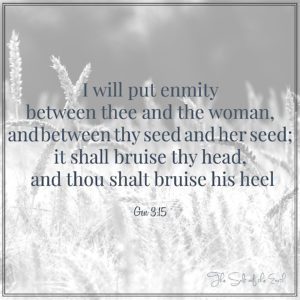
Ku His promise, God showed His grace; karunya, and goodness, because man didn’t deserve it.
It is important to know, that Adam didn’t belong to the carnal people of Israel. Adam éta putra Allah, the first-born human being on this earth, and the father of fallen man; dosa dara.
Kusabab anjeunna henteu patuh kana firman Allah, Adam fell from the position that God had given to man. sumangetna, which connected him with the Father, died and Adam was spiritually separated from God.
Man became a living soul and consisted of a body and soul (daging).
Jelema-jelema, anu bakal dilahirkeun tina siki manusa, would be born in a fallen state as a fallen man; jalma dosa. No one was excluded! That’s why God said, that the Seed of the woman would bruise the head of the devil. Since no one, who would be born of the seed of man and would be born as a sinner, would be able to bruise the head of the devil and take away his authority. Sabab dulur, who is born as a sinner lives under the authority of the devil (garapan ragrag) and is placed beneath the angels.
Dina Taman Eden, God promised the restoration of fallen man and the reconciliation between God and man. Man didn’t deserve it, and would never be able to deserve it, but God made this promise and He kept His promise.
Because of God’s great love, kahadean, jeung rahmat, God gave His only begotten Son Jesus Christ to redeem fallen man and restore the position of fallen man (John 3:16).
You can’t deserve grace by works
Kanggo sadayana dosa, sareng datang pondok tina kamulyaan Gusti; Dibahas sacara bébas ku rahmat na ngalangkungan panebusan anu aya dina Kristus Yesus: Saha Gusti Allah parantos diatur janten propitén ngalangkungan iman na, pikeun nyatakeun kaadilan pikeun pangpentingna dosa anu baheula, ngalangkungan karek; Pikeun dibewarakeun, ceuk kuring, Dina waktos ieu kabeneran: yén anjeunna tiasa waé, sareng langkung higrier anjeunna anu percaya ka Yesus (Urang Romawi 3:22-26)
dulur, who is born of the seed of man is born as a sinner. Teu aya anu teu kalebet. Unggal jalma, who is born on this earth in the flesh, kabutuhan redemption of his fallen nature, anu aya dina daging, kaasup jelema, who belong to the carnal people of God. Because God’s promise was for His carnal people first and then for the Gentiles (Yesaya 56, Hosea 2:23, Urang Romawi 9:24-29)
The soul of the fallen man lives in a body. But the spirit of the fallen man (jelema nu dosa) is dead and stays dead.
Lalaki nu murag (jelema nu dosa) lives under the authority and rulership of the devil and his kingdom and is not able to escape his kingdom and his reign by his own works. Fallen man is not able to escape death through his own works.
Ngan aya Sajalur: through faith in Jesus Christ, Karyana, jeung regenerasi.
Jesus Christ dealt with the sin problem and the sin nature that is present in the flesh of fallen man. Jesus conquered sin and iniquity at the whipping post and on the cross.
Jesus became the Substitute for fallen man and took all the sins and iniquities of humanity, nu ngarah ka maot, upon Himself and took the death penalty. Jadina, Jesus would enter Hades and conquer death and reinstate the position of fallen man and reconcile man back to God.
dulur, anu percanten ka Yesus Kristus, putra anu hirup, repents and becomes born again, would be redeemed from death by laying down his flesh. The person would be made holy and righteous by the blood of Jesus and his spirit would be raised from the dead by the power of the Holy Spirit and receive eternal life (Urang Romawi 3:24, Efesians 1:4-12, Titus 3:5-7, 1 Peter 3:18).
That’s why Jesus had to become equal to man (identify Himself with man), so that He could become our Substitute. Only when you identify yourself with the death and resurrection of Jesus Christ, you will have peace with God and receive eternal life (Baca ogé: ‘Naha Yesus sapinuhna Manusa?').
Being justified by faith in Jesus Christ
Janten janten diyakinkeun ku iman, Kami ngagaduhan karapihan sareng Gusti ngalangkungan Gusti Jesus Kristus: Ku saha ogé urang boga aksés ku iman kana rahmat ieu wherein kami nangtung, sareng girang dina harepan kamulyaan Gusti (Urang Romawi 5:1-2)
Ku iman ka Yesus Kristus; the Son of the living God and in His perfect padamelan panebusan, that Jesus has accomplished at the cross, sajud, anu percaya ka Anjeunna, repent and become born again, made righteous and redeemed from death ((1 urang Korinta 1:4, Urang Romawi 5:15, Titus 3:5-7).
Ngalangkungan regenerasi, you have crucified your flesh with its sinful nature, and in which sin dwells and causes you to persevere in sin, jeung ku kakawasaan Roh Suci, your spirit is raised from the dead. You have been redeemed from the power of the kingdom of darkness and transferred into the Kingdom of His dear Son Jesus Christ (Kolosa 1:13-14).
The promise of God is also for the Gentiles
Éta mangrupikeun rahmat Gusti, that the promise of God is not only for God’s carnal people (Israel), and that God not only gave them the ability to be saved from death and be redeemed from the sinful nature of fallen man, but God also gave the ability to the Gentiles to be saved and be redeemed from the power of the devil, that reigns in the sinful nature of the flesh, and that through regeneration they’ll be reconciled to God and have received the power to become sons of God.
Everyone has been given the ability to become part of God’s people, ngaliwatan sunat dina Kristus (John 1:12-13, Lalakon 4:33-34, Urang Romawi 15:15-16, Efesians 3:6, Kolosa 1:6, 2 Sataun 1:9-10, Titus 3:4:7,1 Peter 1:10-11).
By faith in Jesus Christ and through regeneration in Christ, anjeun geus jadi a kreasi anyar; lalaki anyar. You have become a partaker of His divine nature by the indwelling of the Holy Spirit.
It is grace, that by faith in Jesus Christ you have been made righteous and have peace with God (Urang Romawi 5:1-2).
It is grace, that by His work of redemption, you have received His (rohani) inheritance; Roh Suci-Na. It’s not by your works, naon anu anjeun lakukeun, and not because you deserve it (Lalakon 20:32, 1 urang Korinta 1:4-5, Galata 1:3-5).
Because due to the fact, that the flesh contains the sinful nature, every work that derives from the flesh is evil and corrupted with sin and that’s why man will never be able to deserve nor to accomplish the state of righteousness by his own carnal works.
Through the grace of Jesus Christ, He Who was rich became poor, so that through His poverty, you could become (spinite) beunghar (2 urang Korinta 8:9).
Saved by grace
Tapi Gusti, anu beunghar ku rahmat, pikeun cinta anu hébat di mana anjeunna dipikacinta urang, Sanaos urang maot dina dosa, Hatel gancang urang babarengan sareng Kristus, (ku rahmat anjeun disimpen;) Sareng Hatted ngangkat AS babarengan, sareng ngajantenkeun urang calik di tempat swarga di Kristus Yesus: Éta dina umur dugi ka anjeunna tiasa ngarusak beunghar rahmat na di kahadean ka kami ngalangkungan Kristus. For by grace are you saved through faith; sareng éta henteu sorangan: Éta mangrupikeun kado Allah. Henteu dianggo, Hiberi lalaki naon waé (Efesians 2:4-9).
Éta mangrupikeun rahmat Gusti, that He made you alive in Jesus Christ and saved you.
Éta mangrupikeun rahmat Gusti, that He has given you in Christ a place in the heavenly places and that you are linggih di Anjeunna.
Now you may live in the grace of God and show God’s mercy, kahadean, and grace to the people around you, by preaching the gospel of grace, which is the message of Jesus Christ, salib, and God’s perfect work of redemption, and give them the ability to come to Jesus Christ, and accept Jesus as Saviour and make Jesus Lord over their lives, so that they will be redeemed from their sin nature and saved from death. Through faith in Jesus Christ, tobat, and regeneration they become partakers of the grace of God.
Because that’s the gospel of grace: that every sinner, no matter what the person has done, may come to Jesus (Lalakon 20:24, 1 Peter 4:10).
Hiji-hijina hal, that the person has to do is to tobat sarta jadi dilahirkeun deui Dina Kristus, which means that the person will crucify and lay down his flesh so that the spirit in man can be resurrected from the dead by the power of the Holy Spirit. Because the spirit of man cannot be resurrected from the dead unless the flesh has died.
No one can earn his or her salvation. No one can be saved and be made righteous and holy by doing ‘good works’, charity work, going to church, and/or keeping the law.
Only through the grace of God and by faith in Jesus Christ, through repentance and regeneration, every sinner can be redeemed from his sinful nature and saved from death. Éta alesanana, it’s so important to keep preaching this message of the grace of God, which is the message of the cross.
What do you do with the grace of God?
Ku sabab kitu urang narima hiji karajaan nu teu bisa dipindahkeun, hayu urang boga rahmat, dimana urang tiasa ngawula ka Gusti kalayan hormat sareng takwa: Pikeun Allah urang téh seuneu consuming (Ibrani 12: 28-29)
Tapi…. Now that you have found grace in God’s eyes, which means that you are saved by faith in Jesus Christ and are accepted by God and through regrumasi, you have become His son, what do you do with His grace? (Efesians 1:5-7, Titus 2:11-14)
What do you do with your new position as a son of God and what do you do with the inheritance, which you have received in Jesus Christ?

Naon anu anjeun laksanakeun, to show God your gratitude? Do you thank Him, honor Him, glorify Him and exalt Him with your life, by walking in His grace and after His will? (2 Thessalonians 1:12)
Or do you stay carnal and keep living for yourself and do you use the grace of God and all that you have been given for yourself, to satisfy the lusts and desires of your flesh and to build your own kingdom?
Although you are not justified and made holy and righteous by your own works but by His grace and work, the works of righteousness will follow you. Because you have been made righteous in Christ and have become a new creation in Him and have God’s nature, you will walk after the Spirit in righteousness and do righteous works.
Kusabab kanyataanna, yén ku iman ka Yesus Kristus; kecap, and by His work you have been made righteous, you shall also do what the Word tells you to do because what you do will confirm your faith. When you say that you believe, but you don’t do what the Word tells you to do and therefore become henteu patuh kana Firman, then your faith is without works and therefore your faith is meaningless and death (Urang Romawi 4:4-5, James 2:14-26)
Sumuhun, you have been saved by the grace of God and entered the Kindom of God, but by everything you say and do in life; karya anjeun, you decide whether to stay saved and stay in the Kingdom of God or not (Baca ogé: ‘Sakali disimpen salawasna disimpen?').
You can’t be saved by your works and by keeping every commandment of the law, but your works do testify, to whom you belong: Yesus, the Word and the Kingdom of God or the devil, the world and the kingdom of darkness.
'Janten uyah bumi'