Iwiegħduhom il-libertà, imma l-libertà li tiġi pprietkata f’ħafna knejjes twassal għall-jasar. Din il-libertà tqanqal ir-ribelljoni lejn Alla u d-diżubbidjenza lejn Ġesù Kristu (il-kelma ħajja) u nuqqas ta’ Alla. Jaħsbu li huma ħielsa, while in reality they are bound and are not led to heaven and eternal life, but to hell and the second death in the eternal lake of fire. Let’s look at what the Bible says and doesn’t say about the meaning of the freedom in Christ.
Why does the freedom in Christ lead many Christians in bondage?
The freedom in Christ that is preached in many churches is not the freedom as God meant the freedom in Christ to be.
The true freedom in Christ leads to a holy life after the Spirit in obedience to God and to righteousness, gratitudni, sodisfazzjon, paċi, ferħ, u l-ħajja ta’ dejjem, instead of a sensual life after the flesh in obedience to the devil and bondage of sin and death, jilmentaw, nuqqas ta' sodisfazzjon,, tinkwetax, biża ', ansjetà, restlessness, rabja, u d-dipressjoni.
U madankollu, there are many Christians that walk in the latter
This is mainly because of false preachers and teachers that are sensual and pretend to be ministers of righteousness, while in reality they are servants of corruption.
These ministers love the works of the flesh and live like the world in sin. With their compelling and flattering words, they win people over and cause them to go astray.
They proclaim a doctrine that is not founded on the Word and not according to the words in the Bible, but is founded on themselves and according to the opinion, filosofija, and will of man.
Because of this false doctrine with the associated false promises, false hope, and false liberty, wherewith they delude the people, the people are not led by the truth of God in freedom and righteousness unto eternal life, but they are led through their lies into bondage and sin unto eternal death.
What doesn’t the freedom in Christ mean?
The freedom in Christ does not mean that you can do whatever you want to do without consequences. The freedom in Christ doesn’t mean that you can live in disobedience to God and His will and keep living after the flesh in lasciviousness and uncleanness and keep sinning without consequences.
In a marriage covenant, it is also not allowed for the man or the woman to live a lascivious life and keep following the lust and desire of the flesh that leads to fornication, infedeltà, U adulterju.
Every deed that opposes the will of God and violates the heavenly laws in the universe has consequences. This applies to every covenant, including the New Covenant in Christ Jesus in His blood.
The blood of Jesus is not a permit to keep sinning
The blood of Jesus is not a permit to keep sinning. Ġesù’ blood doesn’t give you the right to be prideful and keep walking in rebellion and disobedience to God and His Word without consequences.
Is-salib (and the blood of Jesus Christ that was shed) is a place where the perfect sacrifice of God for mankind and reconciliation with God took place, instead of a place where pride, ribelljoni, and hostility were fueled.
Jesus was nailed to the cross and carried the pride, ribelljoni, diżubbidjenza, and trespasses of fallen man in His flesh, whereby the pride, ribelljoni, diżubbidjenza lejn Alla, and trespasses were nailed to His cross.
Is-salib means the end of a carnal life in darkness under the rulership of the devil and the beginning of a spiritual life under the rulership of God and Jesus Christ, the High priest of the New Covenant and the King of God’s Kingdom (lill-. Efesin 2:4-10; Kolossin 1:13-14; 1 Timotju 6:14-16; Lhud 3-10).
Sa fejn it-tfal huma partakers tal-laħam u d-demm, Huwa wkoll innifsu bl-istess mod ħa sehem mill-istess; li permezz tal-mewt Jista' jeqirdu li kellu l-qawwa tal-mewt, F'kelma waħda, Ix-Xitan; u ħelishom li minħabba l-biża’ tal-mewt kienu ħajjithom kollha suġġetti għall-jasar (Lhud 2:14-15)
Għodd l-ispiża, before you decide to follow Jesus
Jesus knew what a life after the Spirit in obedience to God meant and what consequences this life has for people on earth. Huwa għalhekk li Ġesù qal, To għodd l-ispiża, before you decide to become His disciple and follow Him.
Għax wara Ġesù means taking up your cross (kuljum) and crucifying the will of the flesh and mortifying the deeds of the body. It means to walk after the Spirit in submission to God in obedience to His Word.
Ġesù qal, “That whosoever doesn’t bear his cross and come after Him can’t be His disciple.” (lill-. Mattew 10:38; 16:24-25; Mark 8:34-35; Luqa 14:27).
As long as people proclaim to be free in Christ, but use this freedom for an occasion to the flesh (natura sinful) and willfully keep sinning, they are not made free in Christ.
Their eyes are not opened. They are not turned from darkness to light and from the power of satan unto God (Atti 26:18).
Their sinful works testify that they are still a slave of sin and unrighteousness (lill-. Rumani 1:17-32; 6; Galatin 5:13;1 John 3:7-10.
Ġesù qal, “That whosoever commits sin is the servant of sin.” (John 8:34).
Madankollu, due to false doctrines that are created by the opinions and philosophies of carnal people, who refuse to put away sin and crucify the flesh and take on the responsibility of a life by faith after the Spirit in submission to God and obedience to the Word, but enjoy their sins and love their lives in darkness and everything that the world has to offer, the image is created that man will always remain a slave of sin and will never be perfect.
This is a lie!
The flesh refuses to follow Jesus
People keep walking in disobedience to God, as long as their sinful flesh is alive and they lack the reality of God the Father, Ġesù Kristu l-Iben, u l-Ispirtu s-Santu, and the fear and love for the Lord in their lives.
Min iħobb lill-missier jew lill-omm iktar minni mhuwiex denju minni: U min iħobb it-tifel jew it-tifla iktar minni mhux denju tiegħi. And he that taketh not his cross and follows after Me, Mhux denju tiegħi. Min isib ħajtu għandu jitlefha: u hu li jitlef ħajtu għall-fini tiegħi għandu jsibha (Mattew 10:37-39)
What do carnal people believe what the freedom in Christ means?
Carnal people believe that if you believe in Jesus and that He is the Son of God and confess this and execute its rituals, you are saved forever.
It doesn’t matter how you live and what you do, because you are saved by faith and not by works. You can live your life the way you lived before your conversion, because the sacrifice of Jesus on the cross and His blood provide eternal forgiveness for your sinful life.
Dik hi l-grazzja ta’ Alla, because you don’t live under the law anymore and don’t have to keep all kinds of rules and commandments, but you live under the grace of God in the liberty of Christ.
But the people that believe and say this are not spiritual but carnal and have no knowledge of God’s truth, whereby their minds are darkened. From their carnal darkened mind, they preach lies that advocate for the preservation of the works of the sinful flesh.
Because of this faith statement, many Christians walk as enemies of the cross in uncleanness, fornication, and idolatry and do all those things, li huma abomination għal Alla.
When do you live under the law and when do you live under grace?
The Bible says that as long as sin reigns in your life, you live under the law and don’t live under grace. Because if you live under grace, then sin doesn’t have dominion over you (lill-. Rumani 6:14; 1 Timotju 1:8-11).
The Bible doesn’t say that you remain a sinner after your conversion and regeneration in Christ. The Bible doesn’t say that you may walk after the flesh and keep sinning and inherit eternal life, imma dak għandek tmut (lill-. Rumani 6; 8:12-14, 2 Korintin 5:21; Galatin 2:16-21; Titus 3:7)
The Bible also says, that you can’t use your liberty in Christ for an occasion of the sinful nature of the flesh and for a cloke of maliciousness. Just like you ought to obey the laws on earth (unless they oppose God’s Word and demand you to do something that opposes God’s will) you also have to obey the heavenly laws (Galatin 5:13; 1 Pietru 2:16; 2 Pietru 2:10).
What does the freedom in Christ mean according to the Bible?
The Bible says that you are born in the flesh as a slave (a servant) tax-xitan, dnub, u l-mewt. Everyone is born in a fallen state under the rulership of the devil in darkness and is a slave of sin and death.
Għalhekk, everyone is a sinner until the moment that people hear the gospel of Jesus Christ and believe the truth of God and are convicted of their sins and sinful state and jindmu and no longer believe and walk in the lies of the world but believe and walk in the truth of God’s Word (lill-. Rumani 6, 8; 2 Korintin 5:21; Galatin 2:16-21; Kolossin 1:5-29; Titus 3:7).
Through this faith, people repent from their heart (of their old life as slave of sin) and through the magħmudija fl-ilma identify themselves with the death and resurrection of Jesus Christ and receive the baptism with the Holy Spirit.
Minn dak il-mument, people are delivered from the power of the devil, dnub, u l-mewt. They are healed from their fallen state and made perfect.
They’re translated from the power of darkness into the Kingdom of God’s beloved Son Jesus Christ (lill-. Atti 26:18; Galatin 3:13-14; Kolossin 1:13-18; 2:9-15; 4:12; 1 Tessalonjani 1:10; Lhud 2:22-29).
The new man doesn’t belong to the devil anymore and is no longer a son of the devil that lives from a fallen state doing to the will of the father and the works of the sinful flesh.
But by faith and the twelid mill-ġdid, the new man belongs to Jesus Christ and God the Father and has received the down payment of the Holy Spirit in fulness, whereby the new man shall walk from his healed state (pożizzjoni) in obedience to the Word according to the will of the Father, doing the works of the Spirit, and in the power of the Holy Spirit mortifying the works of the body and bearing the fruit of the Spirit (lill-. Atti 2:37-38; Rumani 8:1-17; Galatin 5:22-26; Efesin 4).
The spiritual translation from darkness to light and from death unto life
A spiritual translation from darkness to light and from death unto life and a spiritual transformation from the old creation to the new creation have taken place, that become visible in the natural life and the new walk of life.
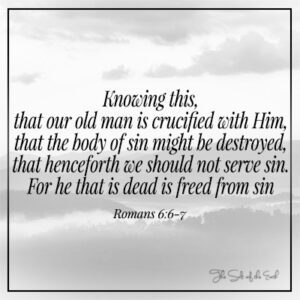
Imma Alla jkun irringrazzjat, li intom kontu l-qaddejja tad-dnub (natura ħażina), imma intom obdujtu mill-qalb dik il-forma ta’ duttrina li ngħatatkom. Li mbagħad jinħelsu mid-dnub (natura sinful), ye became servants of righteousness
Rumani 6:17-18
The new walk of life
The believers shall seek those things, li huma hawn fuq, and renew their minds with the words of God, li huma l-verità. They shall spend time in the Bible and in prayer, because that’s what their new heart longs for.
They are cleansed and legally redeemed from sin by the blood of Jesus and have become servants of Christ. Bħala riżultat, they shall no longer serve sin through the sinful flesh, but serve righteousness through the quickened spirit (Rumani 3-8; 1 Korintin 10:16; Efesin 2:13-22; Lhud 9:14-15; 1 Pietru 1:18-2:25).
Mill-mod, this is not only a matter of ‘having to’ but ‘wanting to’. The new man doesn’t want to live the way he (jew hi) lived before, and doesn’t want to keep sinning.
If this happens, you can conclude that a person is not born again by faith. Because if you are born again and have received God’s nature through the abiding of the Holy Spirit and ħobb lil Alla b’qalbek kollha, then you don’t want to do this anymore.
Dan ngħid imbagħad, Imxi fl-Ispirtu, u ma tissodisfax ix-xewqa tal-ġisem. Għax il-laħam jixraq kontra l-Ispirtu, u l-Ispirtu kontra l-laħam: u dawn huma kuntrarji l-waħda għall-oħra: sabiex intom ma tistgħux tagħmlu l-affarijiet li tridu. Imma jekk intom tkunu mmexxija mill-Ispirtu, intom m'intix taħt il-liġi
Galatin 5:16-18
God didn’t call you to uncleanness but unto holiness
Bħala l-ħolqien il-ġdid, you hate sin and don’t want to yield your members as servants at the disposal of uncleanness and lawlessness, resulting in lawlessness (l-inkwità). But you want to yield your members as servants at the disposal of righteousness, resulting in holiness (Rumani 6:19).
Because God didn’t call you to uncleanness but unto holiness (1 Tessalonjani 4:7).
You’ll listen to Jesus and do what He says and żomm il-kmandamenti Tiegħu (kmandamenti ta’ Alla), which always strive with the will and lusts and desires of the flesh. (John 14:15-21; 15:5-12; Galatin 5; 1 John 2:3-6).
But through the truth of God’s Word and the abiding of the Holy Spirit, you have received authority and power to resist all the temptations and attacks of the devil and his army that try to make you ineffective in the spiritual warfare (lill-. Rumani 8:12-17; Efesin 6:10-20; James 4:7).
What does the freedom in Christ and walking in Him means?
The freedom in Christ means that you no longer live in the bondage of the devil, dnub, and death from a fallen state in darkness. You no longer walk after the (midneb) flesh in the lust of uncleanness and despise the government of God. You are delivered thereof!
It’s just like the seed of Israel that lived in bondage (skjavitù) of Pharaoh in Egypt under the law of Egypt and were delivered from their slavery and the pagan culture, liġijiet, and idolatry of Egypt by God through the hand of Moses.
The Israelites were all delivered and made the transition through the water, from their old lives as slaves in Egypt to their new lives as free people with God.
God led His chosen people through the wilderness to the promised land.
But although God redeemed them all, not all of them arrived in the promised land.
The freedom they had received from God resulted for many in pride, ribelljoni, diżubbidjenza lejn Alla, nuqqas ta' sodisfazzjon, nuqqas ta’ twemmin, murmur, jilmentaw, idolatrija, u fornication.
Instead of submitting unto God and obeying His Word and keeping His commandments, as they promised to do, and pleasing God, their freedom ensured that they rebelled and did everything they wanted to do.
The freedom that God had given them led for the redeemed generation to dissatisfaction and death in the wilderness, instead of gratefulness and life in the promised land. Joshua and Caleb were the only ones from the redeemed generation that were saved through their faith in God and entered the promised land.
The new creation is a servant of Christ and of righteousness
Il-ħolqien il-ġdid kien midneb, but is bought with the blood of Jesus and justified and belongs to God and has become a servant of Christ and of righteousness (lill-. Rumani 6:16-23; 1 Korintin 7:22-23 Lhud 2:11-15; 9:14-15).
The new creation is delivered from sin and death and shall no longer walk in rebellion in disobedience to God in sin. But through the abiding of the Holy Spirit, the new man shall walk by faith in the law of liberty in submission and obedience to God and bear the fruit unto holiness and the end everlasting life.
Imma issa qed issir ħielsa mid-dnub, u jsiru qaddejja lil Alla, Int għandek il-frott tiegħek għall-qdusija, U l-ħajja ta ’tmiem eterna. Għax il-pagi tad-dnub hija l-mewt; imma d-don ta’ Alla hi l-ħajja ta’ dejjem permezz ta’ Ġesù Kristu Sidna
Rumani 6:22-23
‘Kun il-melħ tal-art’