It-tifsira vera tas-salib mhux dejjem tinftiehem. Ħafna Nsara jitkellmu dwar is-salib u jippritkaw is-salib, filwaqt li jgħixu bħala għedewwa tas-salib. X’inhu s-sinifikat tas-salib skont il-Bibbja u xi jfisser is-salib fil-ħajja tal-insara?
Ħafna Nsara għandhom relazzjoni ma 'Ġesù u l-Missier kif tagħhom
Hemm ħafna Insara li jemmnu f’Ġesù Kristu u nidmu u twieldu mill-ġdid, imma ma jridux ikollhom x’jaqsmu mal-parti morali tal-liġi. Ma jridux iżommu kull tip ta 'regoli u jqisuhom legalisti. U l-legaliżmu huwa parti mir-reliġjon u mhux parti minn relazzjoni ma’ Ġesù Kristu.
Ma riedux jingħad x'għandek tagħmel, imma jridu jkunu ħielsa. Huma jridu jgħixu fil-libertà u jkollhom relazzjoni ma 'Ġesù Kristu u l-Missier kif tagħhom.
F'ħafna każijiet, ir-relazzjoni tidher aktar bħal relazzjoni LAT (Ngħixu Apparti Flimkien) milli żwieġ. Minħabba li ħafna drabi, L-insara jqattgħu ħin ma’ Alla biss meta jkollhom bżonn jew problemi f’ħajjithom.
Meta jkollhom bżonn jew problemi, għandhom bżonn li Alla juri u jforni l-bżonnijiet tagħhom u jirranġa l-problemi tagħhom. Madankollu, il-bqija tal-ħin, jgħixu skont ir-rieda tagħhom stess, jagħmlu dak li jridu jagħmlu.
Xorta, tmur lura għall-fatt li ħafna Insara jgħidu li l-parti morali tal-liġi m’għadhiex rilevanti, kif ġej, li jgħidu li huma mifdija mil-liġi, sadanittant, għadhom jgħixu bħala nies karnali li l-liġi kienet maħsuba għalihom. Dan xi jfisser?
Ir-raġel xiħ karnali jibqa’ jaqa’ lura fid-dnub
Il-liġi ta’ Mosè kienet maħsuba għall-bniedem karnali antik, li għex f’laħam midneb minn stat waqa’ u kien jappartjeni lill-poplu magħżul t’Alla bit-twelid u ċ-ċirkonċiżjoni fil-laħam. Il-liġijiet tas-sagrifiċċju kienu maħsuba għall-bniedem karnali antik.
Il-liġijiet tas-sagrifiċċju ttrattati l (Individwali) dnubiet u inkwiżizzjonijiet tal- raġel karnali antik, imma mhux bin-natura sinful tal-bniedem karnali antik.

Id-demm tal-annimali ma kienx qawwi biżżejjed biex jittratta n-natura midinba tax-xjuħ. Dan għaliex l-annimali mhumiex ugwali għall-bniedem. Il-laħam tal-annimali huwa differenti mil-laħam tal-bniedem (1 Korintin 15:39).
Id-demm ta 'l-annimali seta' jittratta biss l-għemejjel midinba li ġejjin mill-laħam midneb.
Għalhekk, id-demm tal-annimali setaʼ jagħmel biss tpattija temporanja għad-dnubiet tal-bniedem. Kien għalhekk li s-sagrifiċċji kellhom isiru fuq bażi regolari.
Minkejja s-sagrifiċċji u d-demm ta’ annimali perfetti, il-bniedem baqa’ l-istess.
L-anzjan kien għadu maqbud fin-natura sinful tal-laħam u ma setax jinħeles minnha.
Kull darba, Kellhom jistqarru dnubiethom, jindmu u jagħmlu rikonċiljazzjoni għal dnubiethom. Dnubiethom ġew rimessi u maħfura permezz tas-sagrifiċċji u d-demm tal-annimali sakemm reġgħu lura għad-drawwiet qodma tagħhom u reġgħu dnub. Dan kien proċess kontinwu.
Id-demm tal-annimali ħareġ kontinwament, imma n-natura sinful tal-laħam baqgħet preżenti fil-ġenerazzjoni tal-bniedem waqa’.
Ġesù ttratta n-natura midinba tal-bniedem li waqa'
Dan il-proċess kompla sakemm ġie Ġesù u ttratta n-natura midneb tal-bniedem waqa’ li jipproduċi d-dnub u jwassal għall-mewt..
Sa fejn it-tfal huma partakers tal-laħam u d-demm, Huwa wkoll innifsu bl-istess mod ħa sehem mill-istess; li permezz tal-mewt Jista' jeqirdu li kellu l-qawwa tal-mewt, F'kelma waħda, Ix-Xitan; U jeħlishom li minħabba l-biża' tal-mewt kienu ħajjithom kollha soġġetti għall-jasar (Lhud 2:14-15)
Ġesù mhux biss ħa fuqu d-dnubiet. Huwa ġarr id-dnubiet u l-ħażen Fl Ġismu u sar is-Sostitut għall-bniedem li waqa'. Ġesù ġarr il-kastig għad-dnubiet, li hija l-mewt, U daħlu legalment Hades (Infern).
Madankollu, il-mewt ma kinitx b’saħħitha biżżejjed biex iżżomm lil Ġesù f’Hades. Wara tlett ijiem, Ġesù qam mill-imwiet bil-qawwa tal-Ispirtu s-Santu bl-imfietaħ tal-infern u l-mewt. Ġesù rebaħ il-qawwa tal-mewt u kien ħa l-ħakma legalment lura mingħand ix-xitan.
Ġesù ħeles lill-priġunieri twajbin tal-mewt u ta l-ħila lil kulħadd biex jinħeles mill- qawwa tal-mewt u l-infern u jiġu rikonċiljati ma 'Alla. (lill-. Mattew 27:50-54; John 1:11-13; Rumani 5:10; 2 Korintin 5:18-20; Efesin 4:10; Kolossin 1:21-23).
U Ġesù ġie u kellimhom, tgħid, Is-setgħa kollha tingħatali fis-sema u fl-art. Mur għalhekk, u jgħallem lill-ġnus kollha, jgħammduhom f’isem il-Missier, u tal-Iben, u tal-Ispirtu s-Santu: Għallimhom josservaw dak kollu li ordnajtilkom jien: U, lo, Jien dejjem miegħek, anki sa l-aħħar ta 'l-art
Mattew 28:18-20
Il-ħolqien il-ġdid jinħeles mill-laħam midneb permezz tar-riġenerazzjoni
Biss bil-fidi f’Ġesù Kristu u bit-twelid mill-ġdid, Persuna tista' tinfeda mil-laħam midneb. Permezz tal- magħmudija fi Kristu u l-magħmudija bl-Ispirtu s-Santu, il-laħam tal-bniedem il-qadim imut u l-ispirtu jqum mill-imwiet u l-bniedem il-ġdid jirċievi l-Ispirtu s-Santu.
Il-ħolqien il-ġdid ħalla l-qadim lura u jirċievi ħajja ġdida fl-ispirtu. Fl-awtorità ta 'Ġesù Kristu u bil-qawwa tal-Ispirtu s-Santu, il-bniedem il-ġdid għandu l-ħila li jsir iben Alla (kemm irġiel kif ukoll nisa) u jimxu bħala bin Alla fl-ubbidjenza lejn Alla fil-ġustizzja.
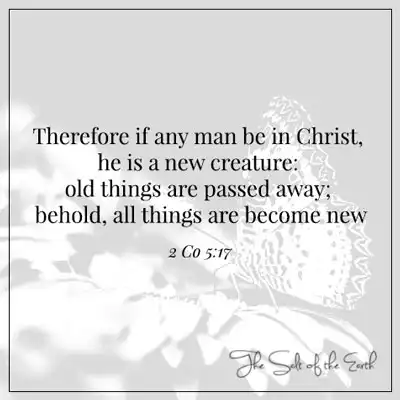
Il-bniedem il-ġdid għandu jwarrab ix-xogħlijiet karnali tal-bniedem il-qadim, u agħmel ir-rieda tal-Ispirtu, li biha l-bniedem il-ġdid għandu joħroġ fin-natura. (Aqra wkoll: Tista 'tgħix il-ħajja tal-qawmien mingħajr ma tmut?)
L-Ispirtu s-Santu għandu l-istess rieda bħal Ġesù u l-Missier u jikkonfronta u jċanfar lil persuna tad-dnub. Imbagħad huwa f’idejn il-persuna li tobdih u tneħħi d-dnubiet.
Għax il-persuna m’għadhiex tappartjeni għall-ġenerazzjoni tal-bniedem waqa’ u m’għadx għandha lix-xitan bħala missier.
Il-persuna tappartjeni għall-ġenerazzjoni tal-bniedem il-ġdid (ħolqien ġdid) li hu maħluq f’Ġesù Kristu. Il-ħolqien il-ġdid jitwieled minn Alla u għandu lil Alla bħala Missier.
Il-kreazzjonijiet il-ġodda huma wlied Alla u flimkien huma l-knisja; il-ġisem ta’ Ġesù Kristu.
Il- għan tal-knisja huwa li tqajjem il-qaddisin fil-Kelma ta’ Alla u tgħammarhom. Biex b'hekk, jafu r-rieda ta’ Alla u jsiru ugwali għal Ġesù Kristu u jimxu bħalma Ġesù mexa b’ubbidjenza għar-rieda tal-Missier, jippriedka u jġib is-Saltna ta’ Alla lin-nies.
Persevera fid-dnub permezz ta’ injoranza u nuqqas ta’ għarfien
Madankollu, il-problema hi li f’ħafna knejjes minflok wlied Alla, Teologi, kelliema motivazzjonali jew awto-promoturi, li għadhom il-ħolqien il-qadim u għandhom għamla ta’ godliness, huma wara l-pulptu u jgħallmu lil dawk li jemmnu.
Jgħallmuhom minn mentalità karnali u mill-għerf uman tagħhom stess, għarfien, u l-filosofiji minflok il-moħħ ta’ Kristu u l-verità tal-Kelma t’Alla.
Sabiex tikseb udjenza u tattira nies u tkun eżaltata, jippritkaw dak li n-nies iridu jisimgħu.
Permezz tal-priedki tagħhom li jduru madwar il-bniedem karnali (laħam), jassiguraw li n-nies isiru dipendenti fuqhom u li jkunu ’l fuq minn dawk li jemmnu.
Billi jippriedkaw kliem karnali u filosofiji vain li joħorġu mill-moħħ karnali tagħhom, minflok ma tippriedka l-verità tal-Kelma t’Alla li ġejja mill-moħħ ta’ Kristu, huma jżommu lill-fidili injoranti dwar il-verità.
Permezz tal-gideb tagħhom, iżommuhom fil-jasar, u dan huwa eżattament dak li jrid ix-xitan.
Permezz nuqqas ta’ għarfien tal-Kelma t’Alla, L-insara jibqgħu jgħixu fil-jasar taʼ ġisimhom. Jibqgħu mexjin wara l-ġisem u jipperseveraw fid-dnub u ma jistgħux jieqfu midnub.
Min-naħa waħda, huma qalulhom, li ma jkunx hemm aktar dnub. Għalhekk, ma jistgħux jimxu fid-dnub. U min-naħa l-oħra, jingħadilhom li dejjem jibqgħu midneb. Għalhekk huma jipperseveraw fid-dnub sal-jum li jmutu. Għax biss permezz tal-mewt naturali, huma se jiġu meħlusa minn laħam midneb tagħhom.
Duttrini foloz huma ppriedkati biex iżommu lill-Kristjani fil-jasar
Imma dik hija gidba kbira li ġejja mill-moħħ karnali tan-nies, li kienu għadhom il-ħolqien il-qadim. Din id-duttrina falza hija bbażata fuq filosofiji umani u esperjenzi personali. Kieku din id-duttrina tkun vera, allura Ġesù għala ġie fuq din l-art? Għaliex Ġesù kellu jsir is-Sostitut tagħna biex jittratta għal darba għal dejjem il-problema tad-dnub? U dak li ġara fil-jum ta ' Pentekoste?
In-nies li ħarġu b’din id-duttrina falza ma kinux spiritwali. Ma ridux jagħtu l-ħajja karnali tagħhom stess. U għalhekk, huma aġġustaw l-evanġelju u l-verità ta’ Alla għall-esperjenzi karnali tagħhom stess, sejbiet, xewqat, u x-xewqat.
U minħabba l-fatt, li kienu maħtura mill-knisja għax kellhom diploma jew Ph.D. u għalhekk kisbet ċertu status, il-knisja adottat u applikat din id-duttrina. Sal-lum, din il-gidba għadha mxandra.
L-insara huma mitluqin
Minħabba din id-duttrina falza, ħafna Insara huma mitluqa u ħafna erwieħ intilfu. Filwaqt li setgħu ġew salvati billi jippriedkaw il-priedki t-tajba skond il-Bibbja (il-Kelma) u l-Ispirtu s-Santu.
Minħabba din il-gidba, ħafna Insara għandhom l-idea li meta huma jindmu u titwieled mill-ġdid (skond it-teoloġija tagħhom), huma mhux biss imnaddfa minn dnubiethom qodma, imma wkoll minn dnubiethom li fihom jipperseveraw wara li jitwieldu mill-ġdid. Għax ma jistgħux jiġu mifdija mid-dnub, imma dejjem tibqa midneb.
Jekk il-Bibbja tgħid li Ġesù ġie biex jifdi lill-bniedem u fdi lill-bniedem permezz tal-ħidma tiegħu fuq is-salib, imma l-predikatur jew it-teologu jgħid hekk il-bniedem dejjem jibqa midneb, Min jitkellem il-verità?
X’għamel Ġesù fis-salib skont dawn it-teoloġi jew predikaturi? X’kien l-iskop tal-miġja Tiegħu u t-tifsira tas-sagrifiċċju Tiegħu?
Minħabba l-fatt, li ħafna Insara mhumiex tassew imwielda mill-ġdid u m’għandhom l-ebda relazzjoni personali ma’ Ġesù Kristu; il-Kelma, imma minflok jemmnu, afda u bbażat ruħha fuq kliem il-predikaturi u t-teoloġi. Huma jemmnu l-kliem tan-nies fuq il-kliem ta 'Alla.
Għax billi d-diżubbidjenza ta’ bniedem wieħed ħafna saru midinbin, hekk bl-ubbidjenza ta’ Wieħed għandhom ħafna jsiru ġusti
Rumani 5:19
Id-dnubiet minflok il-laħam imsammar fuq is-salib
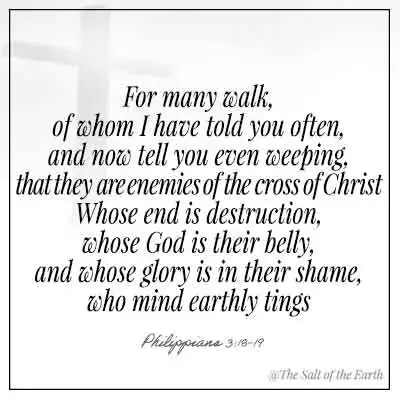
Minflok sallbu ġisimhom, li fiha tibqa’ n-natura midinba u li tipproduċi d-dnub, issimmru dnubiethom mas-salib. Huma ma jittrattawx il-problema tad-dnub, li għalih Ġesù ġie fuq din l-art. Minflok, jibqgħu jgħixu fil-gideb, li jinxterdu mix-xitan permezz tal-filosofiji tan-nies karnali.
Imma l-verità hi, li sakemm il-laħam tax-xjuħ ma jmutx, il-persuna għandha timxi wara l-laħam u tipperseveri fid-dnub u għandha tibqa’ tagħmel l-affarijiet li jopponu r-rieda t’Alla.

Sakemm in-nies jipperseveraw fid-dnub, mhumiex mifdija mid-dnub, iżda għadhom a qaddej tad-dnub.
F’xi knejjes jew f’seminars hemm anke salib tal-injam fuq il-palk b’biċċiet tal-karti, dwiefer, u martell.
Il-viżitaturi jistgħu jiktbu dnubiethom jew il-problemi tagħhom fuq din il-biċċa karta u jsajruha mas-salib. Iżda dan huwa att karnali ta 'emozzjoni (laħam) u m’għandha x’taqsam xejn mal-Ispirtu.
Għax meta jmorru d-dar, ikomplu ħajjithom u jerġgħu jaqgħu fl-istess dnub. Eżatt bħall-poplu ta 'Alla fit-Testment il-Qadim.
Huwa għalhekk li ħafna Kristjani, li jsostnu li twieldu mill-ġdid, u ma jridux ikollhom x'jaqsmu mal-liġi, tgħix bl-istess mod bħall-poplu karnali ta’ Alla li għalih kienet maħsuba l-liġi, jiġifieri: ix-xjuħ karnali, li huwa maqbud fil-laħam midneb.
Minflok ma tittratta l-problema tad-dnub, jiġifieri l-kawża tad-dnub: il-laħam midneb, jippruvaw jittrattaw dnubiethom minn ġisimhom billi jużaw kull tip ta’ mezzi u metodi naturali
Ġesù miet minħabba d-dnub tax-xjuħ
Ġesù ma mietx għal dnubietek sabiex tkun tista’ tibqa’ timxi fid-dnubiet. Imma Ġesù miet minħabba dnubietkom li ġejjin min-natura midinba tal-laħam tal-bniedem il-qadim.
Ġesù miet għall-raġel xiħ, il-midneb. Biex b'hekk, fiH, il-ġuvni (laħam) imut u l-bniedem il-ġdid (spirtu) jitqajjem mill-mewt.
Ġesù mhux biss ittratta d-dnubiet u l-ħażen tal-bniedem waqa’ fuq is-salib. Imma Ġesù ttratta wkoll in-natura midinba tal-bniedem waqa’, li huwa preżenti fil-laħam. Huwa għalhekk li, meta persuna, li huwa ħolqien antik (midneb), jerġa’ jitwieled, m’għadux midneb.
F’Min ukoll intom ċirkonċiżi biċ-ċirkonċiżjoni magħmula mingħajr idejn, Fit-tkeċċija tal-ġisem tad-dnubiet tal-laħam miċ-ċirkonċiżjoni ta ’Kristu: Midfun miegħu fil-magħmudija, fejn ukoll intom tela 'miegħu permezz tal-fidi tal-operazzjoni ta' Alla, li qajmu mill-imwiet (Kolossin 2:11-12)
Il-persuna saret ħolqien ġdid: il-ġustizzja ta’ Alla fi Kristu. Persuna, li sar ħolqien ġdid, m'għandux jibqa' jipperseveraw fid-dnub. Għax dawk, li huma ta’ Kristu sallbu ġisimhom bl-affezzjonijiet u x-xewqat tagħhom. Għalhekk, m’għandhomx jipperseveraw fid-dnub imma għandhom jagħmlu l-opri tal-ġustizzja.
Dak li l-liġi u d-demm tal-annimali ma setgħux jagħmlu, Ġesù setaʼ! Ġesù, il-kelma ħajja, daħal fil-ġisem u sar is-Sostitut tad-diżubbidjenti, raġel xiħ ribelluż, li d-destinazzjoni finali tiegħu hija l-mewt ta’ dejjem fl-għadira tan-nar.
Dawk li huma ta’ Kristu sallbu l-laħam bl-affezzjonijiet u x-xewqat
Galatin 4:24
It-tifsira vera u r-riżultat tas-salib fil-ħajja ta’ dawk li jemmnu
Fuq is-salib, Ġesù ttratta n-natura midinba, li huwa preżenti fil-laħam. Biex b'hekk, kulħadd, li jemmen fih u jerġa’ jitwieled, se jiġu mifdija min-natura sinful tal-laħam, li jipproduċi d-dnub u l-mewt.
Min jemmen m'għandux jibqa' jipproduċi d-dnub mill-laħam midneb, imma tjieba mill-Ispirtu (lill-. Rumani 6-8; Galatin 5:16-26).
Trid teħles mid-dnubiet f’ħajtek? Imbagħad kull ma għandek tagħmel hu: mur għall-kawża tad-dnub. Mur fl-għerq tal-problema tad-dnub, li huwa l-laħam. Sakemm laħamek ma jmutx, l-ispirtu tiegħek ma jistax jitqajjem.
‘Kun il-melħ tal-art’