Aita te Atua e hinaaro e ia pohe te hoê taata. Ua horo'a te Atua i te mau mea atoa i te taata no taua tumu ra no te faatupu i To'na hinaaro e no te faaora i te taata i te pohe. Tera râ,, Ua horo'ahia te taata i te ti'amâraa ia rave i ta ratou iho mau ma'itiraa i roto i te oraraa. E faaoti ratou eaha te e'a e haere: te e'a rahi o te ao nei o te arata'i i te haamouraa, e aore râ, te e'a hitimahuta o te oraraa o te arata'i i te ora mure ore. Na roto i te Bible taatoa, te ite nei tatou i te here rahi o te Atua o te ore e hinaaro e ia pohe te hoê taata. Ua pii te Atua i te taata ia tatarahapa i roto i te Bible taatoa no taua tumu ra. Teie râ, na te aha i turai i te taata ia tatarahapa? Ua turai te heheuraa e te ti'aturiraa i te hara i te mau taata ia tatarahapa. Nafea ' tu â te hoê taata e nehenehe ai e tatarahapa mai te peu e aita te hoê taata e ite ra i to ' na huru hara e e mana'o oia e e mea ino ta ' na mau ohipa? E hi'opoa tatou i te tiaturiraa o te hara i roto i na anotau e toru o te Bible e mea nafea te hara i faaitehia ' i i roto i te mau anotau atoa.
Te ti'aturiraa i te hara i roto i te tau a te Atua
Mai tei faahitihia i roto i te hoê Te parau papa'i, E nehenehe ta tatou e faataa i te Bible e toru tau: te au'araa a te Atua te Metua, te Tamaiti o Iesu Mesia (te buka), e te Varua Mo'a. Tera râ,, i roto i na tau e toru atoa, te ite nei tatou i te ohipa amui tamau i rotopu i te Atua Mana Hope, Iesu; te parau, e te Varua Mo'a.
I roto i te tau matamua a te Atua, te ite nei tatou i te taairaa i rotopu i te Atua e To'na nunaa ma'itihia i muri mai i te tino; Iseraela (fanauhia i roto i te huaai o Iakoba).
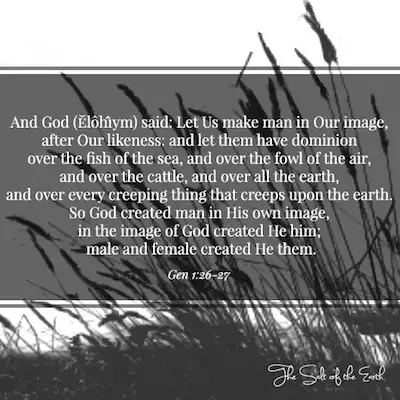
Ia te Atua; Ua hamani o El-Elohim i te taata ia au i to'na iho hoho'a, Ua faarirohia te taata ei mea ti'a roa. E tae roa'tu i te taime ua faaoti te taata e pee i to'na iho e'a e e orure i te mau parau a te Atua e e rave i te hara.
Ua pohe te varua i roto i te taata, e ua riro te taata ei varua ora, tei ite i te maitai e te ino.
Te taio nei tatou no nia i te taairaa i rotopu i te Atua e Abel, Enoka, Noa, Abrahama, Ino, Jacob, Iosepha, e te tahi atu â.
Ua haere ratou paatoa i piha'i iho i te Atua ia au i To'na hinaaro, aita â te Atua i horoa ' tu i ta ' na ture ia ratou. Tera râ, ua faaroo ratou i Ta'na mau parau, ua ti'aturi i Ta'na mau parau, e ua haere i roto te haapa'o i Ta'na mau parau.
Tera râ,, ua tai'o atoa tatou no ni'a ia Kaina, Esau, te mau tamarii a te Atua, te feia i ora i te tau o Noa', te feia e parahi ra i Sodoma e Gomora, e te tahi atu â. Ua ora ratou paatoa i to ratou iho oraraa i muri a'e i te hinaaro, Te mau nota, e te mau hinaaro o to ratou tino ma te haapao ore i te mau parau a te Atua.
Ua horo'a te Atua i Ta'na ture
Te taio nei tatou no nia i te nunaa o te Atua o tei ora i Aiphiti i raro a'e i te faaheporaa a Pharao 400 matahiti e mea nahea te Atua i te faaoraraa ia ratou. Ua faaroo te Atua i ta ratou ta'i e ua ma'iti oia ia Mosesa ei ti'a no'na no te faaora i To'na nunaa i rapae i Aiphiti e i te haavîraa u'ana a Pharao.
I to te Atua faaoraraa i to'na nunaa na roto i to'na rima e te arata'iraa ia ratou i roto i te medebara, Ua faaite mai te Atua ia'na iho na roto i te mau tapa'o e te mau ohipa faahiahia atoa.
Ua hinaaro te Atua i te hoê taairaa e To'na nunaa. Ua hinaaro oia e riro ei Atua no ratou e ia riro ratou ei nunaa no'na. No reira, ua horoa te Atua ia ratou i te Ture o te faaite ra i To ' na hinaaro no nia i to ratou oraraa.
Nō 400 te mau matahiti, ua ora ratou ia au i te hinaaro o Pharao e ia au i te parau a te feia Aiphiti Ta'ere, Tā'ere'ere, e te mau peu tumu e te mau idolo.
Ua pohe ratou, e no reira ua tae i te taime, e tamâhia te nunaa o te Atua i te mau parau-ti'a ore atoa e A faaru'e i to ratou oraraa tahito.
Te ravea hoê roa no te rave i te reira, o te faaapîraa ïa i to ratou feruriraa i te hinaaro o te Atua no te mea na te feruriraa e faataa i ta ratou mau ohipa. na roto i te Te ture no te parau-ti'a e te ora, Ua faaite te Atua i To'na hinaaro i To'na nunaa, e ua faaitehia mai te hara.
Ua faahoho'a te ture eiaha noa i te hinaaro o te Atua, to ' na huru atoa râ, ha'uti, e te mo'araa.
Ua horoa te ture mo'a a te Atua i te maramarama i roto i te pouri e ua horo'a i te ora i te feia e auraro i te Ture (hinaaro o te Atua) e ia haapa'o i te ture.
Ua faaite mai te ture i te parau mau e ua faaite i te mau hara atoa o te aratai i te pohe. No te mea aita te Atua i hinaaro e ia pohe te hoê o To ' na nunaa. Na roto i te haapa'oraa i te ture e te mau faaueraa e te mau oro'a atoa a te ture, E haamaitaihia to'na nunaa, ta'ato'era'a, e ia farii i te ora. Teie râ, ua ti'a i te mau taata atoa o To'na nunaa ia ma'iti e, e haapa'o anei ratou i te ture a te Atua aore râ, aita.
People decided to obey the Law or disobey the Law
I roto i teie pu'e tau, te ite nei tatou e ua pûpû te nunaa o te Atua i te Atua no te hoê tau taa ê e i muri iho ua faarue ratou ia ' na. O te huru ïa o te taata ruhiruhia that walks after the flesh: devoted to God, turning away from God, crying to God for help, Fa'a'afa'a, devoting to God, turning away from God, e te tahi atu â.
Every time God’s people got into trouble by leaving His law and adopting the ulture, Tā'āporo, and behavior of pagan countries, ua pii ratou i te Atua e Te mau nota.
I muri iho te Atua, Who is faithful and full of mercy, sent His word (through an angel or His prophet(s)) e ua faaora ia ratou.
But it didn’t take long before His people rebelled again and became disobedient to the law and rejected God. Teie râ, na te aha i faaite mai i te hara i roto i te oraraa o To ' na nunaa? Ua faaite mai te ture a te Atua i te hara e te apotara o te taata tino.
Te haapapuraa i te hara na roto i te ture
I te taioraahia te ture a te Atua i mua i te nunaa, ua itehia mai te mo'araa o te Atua e ua faaitehia mai te hara ia ratou. The law was their teacher and showed them how far they were driven away from God and His words. I muri iho, ua ma'iti To'na nunaa ia ōhipa aore râ, aita.
Aita te ture a te Atua, o te faahoho'a ra i te ture o te parau-ti'a e te ora, aita ratou i ite e ua î to ratou oraraa i te hara. Ua patoi to ' na nunaa i te ture, te mau parau a te Atua, e ua ora mai te tahi atu mau nunaa atoa, I muri a'e i te mau hinaaro e te mau hinaaro o te tino.
They went their own way and did their own will and were led by their flesh instead of the Word of God.
They took strange women from pagan nations, ua faaturi ratou, e te haamoriraa idolo, te vai ra te viivii i te pae taatiraa e ua farii ratou Fa'atumu i roto i te fare o te Fatu.
But as soon as the law of Moses appeared and was read, ua faaitehia te hara e ua ti'aturi te taata i te hara. Without the law of Moses that came from God and represented His will, aita e ite i te hara.
Te ti'aturiraa i te hara i roto i te tau o Iesu Mesia
I roto i te piti o te tau, te ite nei tatou i te taeraa mai o Iesu Mesia, te Tamaiti a te Atua, Ona mau ohipa no te faaoraraa, e To'na taairaa e te nunaa o te Atua. Jesus is the Word that became flesh and lived among the people.
Ua faatavaihia Iesu e te Atua na roto i te Varua Mo'a e te mana. He went about doing good, Te faaoraraa i te feia atoa tei hamani-ino-hia e te diabolo, no te mea tei pihai iho te Atua ia'na (Ā'ati'a 10:38).
Jesus was the reflection of God and represented and brought the Kingdom of God, e tae noa'tu i te ture a te Atua (the law of of righteousness and life), I nia i te fenuaohia.
Jesus lived according to the will of God and therefore He established and fulfilled the law. Ua ora te natura mo'a o te Atua i roto ia Iesu, e ua faaruru Oia i te nunaa o te Atua i ta ratou mau hara.
Te haapapuraa i te hara na roto i te Parau
Jesus is the Light that shone in the darkness. He brought all the things that were hidden in darkness into the light. Ua faaite te Maramarama i te mau taata i ta ratou mau hara. The people of the house of Israel that heard His words and believed and were convicted in their hearts of their sins repented. Ua bapetizohia ratou i roto i te pape, ua iriti ê i te mau hara i roto i to ratou oraraa, e ua pee ia Iesu.
But the people that were proud and rebellious in their hearts and had the devil as father were not willing to repent.
Rātou ua patoi ia Iesu Mesia; te Parau e ua ora noa i roto i te hara. Ua riri ratou ia Iesu no te mea ua faaite papû Iesu i ta ratou mau ohipa ino.
Eita te ao (te taata ruhiruhia) no te mea ho'i e, e tuhaa outou no te reira), tera râ, te riri nei oia ia'u (Te hoê taata apî tei î i te Varua Mo'a) no te mea te pato'i nei au i te reira e te faaite papû nei au e, e mea ino to'na mau ohipa (John 7:7)
Ahiri vau i ore i haere mai e paraparau ia ratou, Aita ta ratou i rave i te hara: aita râ ta ratou e tapo'i no ta ratou hara. O tei riri ia'u, e riri atoa oia i to'u Metua. Ahiri vau i ore i rave i te mau ohipa ta te tahi atu taata i ore i rave i rotopu ia ratou, Aita ta ratou i rave i te hara: tera râ, ua ite mai ratou ia'u e to'u Metua, e ua riri mai ratou ia'u atoa. (John 15:22-24)
The confrontation with the living Word, O vai te faahoho'a ra i te parau-ti'a e te mo'araa o te Atua, ua faaite mai te hara i roto i te mau taata. The living Word convicted the people of sin.
Te ti'aturiraa i te hara i roto i te tau o te Varua Mo'a
I roto i te toru o te tau, te ite nei tatou i te fanauraa o te mau mea hamani apî e te taairaa e te Varua Mo'a. What the devil destroyed in the Te ti'araa was restored by Jesus Christ and His blood. Ua haamau o Iesu i te Ture e ua faatitiaifaro oia i te fifi o te hara o te taata.
Na roto i To'na poheraa e To'na ti'a-faahou-raa mai te pohe mai, e te taeraa mai o te Varua Mo'a, te mau hamaniraa apî ua fanauhia.
Through repentance and regeneration in Christ, ua pohe te tino o te taata tahito, e ua faati'ahia mai te varua mai te pohe mai na roto i te mana o te Varua Mo'a.
Ua fanauhia te taata apî e vai and Spirit and was no longer a son of the devil. But the new creation had become a son of God.
The new creation was reconciled in Jesus Christ with the Father and received His Holy Spirit.
The new creations didn’t belong to the world but to the Kingdom of God.
The Holy Spirit Who bears witness of Jesus Christ; te parau, and represents the Kingdom of God, e te ture o te parau-ti'a e te ora, lives inside the new creation. Just like God prophesied:
I muri a'e i taua mau mahana ra, i ni'a i te Fatu, E tuu vau i to'u ture i roto i to ratou mau tuhaa, e te papa'i i te reira i roto i to ratou aau; E na to ratou Atua, e e riro mai ratou ei nunaa
Jeremieh 31:33
The new creation submits to the Father, Word, and Spirit and does the will of God
God’s will and His nature live in the heart of the new creation through the abiding of the Holy Spirit.
The old evil nature of the devil that is present in the flesh doesn’t exist anymore. The flesh is crucified in Christ. I teie nei, Te ora nei te natura mo'a o te Atua i roto i te hamaniraa apî.
Ia pee ana'e te hamaniraa apî i te Varua, he shall submit himself to the Word and the Holy Spirit and the will of the Father and do the will of God. No reira, e a haamau ai i te ture (Roma 3:31).
Te ti'aturiraa i te hara na roto i te Varua Mo'a
Ua faaite papû Iesu i te Varua Mo'a e ua parau oia e, te faahapa nei te Varua Mo'a (te mau hara, Te mau hepohepo, Te a'o ra, faaiteraa, te mau faahaparaa) te ao o te hara, e te parau-ti'a, e te haavaraa (John 16:8-10)
Te faaite nei te Varua Mo'a i te hinaaro o te Atua e te faaite nei i te mau hara a te taata. Just like Jesus convicted the sins of the people and called the people to repentance and to put away sin. E mai te Atua i faahapa i te mau hara a te taata, na roto i te ture e ua pii i To'na nunaa ia Fa'a'afa'a e no te faaore i te hara.
Atua, Iesu, e hoê ana'e te Varua Mo'a. No reira, They have the same nature and the same will. Eita roa'tu ratou e pato'i te tahi i te tahi!
Ua riro te Varua Mo'a ei Varua no te parau mau e te faaite nei oia i te mau haavare atoa a te diabolo. No reira, te mau mea atoa e tupu i roto i te pouri, E arata'i mai oia i roto i te maramarama.
He confronts people with their sinful state. He reveals to them their evil works from God’s point of view instead of man’s point of view.
No reira tatou e titau ai i te Varua Mo'a. He alone will convict the person of sin and shows him his defiled sinful nature.
Ma te ti'aturi ore i te hara, eita ta te hoê taata e nehenehe e tatarahapa e ua horo'a i to'na ora e ia faaru'e i ta'na mau hara. Te tumu, no te mea ïa e aita taua taata ra i ite i ta ' na mau hara.
Aita taua taata ra e ite ra i te hinaaro ia tuu i to'na tino e ia fanau-faahou-hia i roto i te varua. He shall not consider the works of the flesh as evil. Therefore he shall never put off the carnal works of the flesh. The person will only do that if God reveals to him his spiritual state.
The goodness of God and conviction of sin bring man to repentance
Aita te Atua e hinaaro e ia pohe te hoê taata. No reira, no To'na maitai, Ua horo'a Oia i Ta'na ture, Ta'na Tamaiti, e To'na Varua Mo'a. No reira, te mau hara o te ao nei, ua hunahia i roto i te pouri e ua hunahia no te mata natura o te taata ruhiruhia, E faaitehia te reira e e fana'o te taata i te ravea no te tatarahapa, tatara i ta ' na mau hara, ia faaorahia, e ia riro mai ei hamaniraa apî i roto ia Iesu Mesia.
'Ia riro ei miti no te fenua’