I roto i te heheuraa 6:2, ua tai'o tatou no ni'a i te taata e faahoro ra i te puaahorofenua uouo, ua horo'ahia mai te hoê korona ia'na, e ua haere atu oia ma te upooti'a e no te upooti'a. Teie râ, o vai te taata e faahoro ra i te puaahorofenua uouo? Te faahoro ra anei o Iesu i nia i te puaahorofenua uouo, mai ta te mau Kerisetiano e rave rahi e mana'o nei e e poro nei? E tupu anei te hoê faaho'i-faahou-raa rahi i ni'a i te fenua nei? Aore ra teie taata e faahoro ra i te puaahorofenua uouo o te aneti-Mesia aore ra te tahi atu taata, e e vai anei te hoê toparaa?
O Iesu Mesia anei te taata i nia i te puaahorofenua uouo?
E feruri tatou, teie taata i ni'a i te puaahorofenua uouo o Iesu Mesia ïa, Eaha ïa ta'na 'o'e? Eaha ' tu â no nia ia Iesu’ te faatereraa hau e te ti'araa ei arii e ei aito? Because Jesus is King of the Kingdom of God and an Overcomer and already received a crown and the Kingdom with all authority in the heavens and on earth given to Him.
No reira, Eita ta Iesu e nehenehe e farii i te tahi atu korona e te tahi atu mana, no te mea ho'i e, ua horo'ahia a'ena te mana atoa Ia'na.
Ia hi'o ana'e tatou i na tapao e ono, no te aha te tapa'o matamua i riro ai ei tapa'o no te manuïaraa e te toea o te tapa'o tei î i te ati?? E mea huru ê te reira. Teie râ, mai te peu e e ere teie taata i nia i te puaahorofenua uouo o Iesu, O vai ïa teie taata i ni'a i te puaahorofenua uouo, e te hoê ana'e, e tei horo'ahia mai te hoê korona?
E ua ite au i te taime a tatara ' i te Arenio i te hoê o te mau tapao, e ua faaroo vau, mai te reo puai o te reo puai, Te parau ra te hoê o te mau animala e maha, Haere mai e hi'o. E ua ite au, e inaha, te hoê puaahorofenua uouo: e te parahi ra i ni'a ia'na, e ana'e to'na; e ua horo'ahia ia'na te hoê korona: e ua haere atu oia ma te upooti'a, e no te upooti'a (Tō'o'a 6:1-2)
Te ana'iraa a te taata e faahoro ra i te puaahorofenua uouo
E rave rahi mau vahi ta tatou e taio ra i roto i te Faufaa Tahito no nia i te faaohiparaa i te o'e ei mauhaa tama'i, e no ni'a i te Atua, O vai tei faaohipa i te hoê ana'e e te mau ana'a no te faaite i To'na parau-ti'a e no te faaruru i te faaroo ore o te nunaa Ia'na.
Tera râ,, i roto i te Faufaa Apî, aita tatou e taio ra i te hoê mea atoa no nia i te hoê ana'iraa o te faaohipahia ra ei mauhaa tama'i aore ra ei faahoho'araa a te Atua.

Aita atoa tatou e taio ra i te hoê mea no nia ia Iesu, ma te faaohipa i te hoê ana'e e te mau ana'a. Teie râ, ua taio tatou no nia i te 'o'e; te 'o'e a te Varua, o te parau mau ïa o te Parau a te Atua.
Aita Iesu i faaohipa i te hoê ana'e e te hoê ana'a, tera râ, ua faaohipa Oia i te 'o'e ma te ti'amâ.
Ua tamata te diabolo i te mau mea atoa no te faataa ia Iesu i te Atua. Ua tamata oia i te tamata Ia'na, na roto i te faainoraa i te Parau a te Atua e te faaohiparaa hape i te Parau a te Atua no To'na tino, ia hara Oia.
Ua pupuhi te diabolo i te mau huru ofa'i atoa (Tuatua ha'afa'ari) ia Iesu, no te faahema ia Iesu, tera râ, ua ite o Iesu i te Parau e te hinaaro o te Atua, e no reira, ua ti'a ia Iesu ia pato'i e ia aro i te diabolo.
No te mea ïa e, ua ite Iesu i te parau mau o te Parau, Ua faaohipa Iesu i te 'o'e ma te tia roa e ua pau i te diabolo na roto i ta ' na mau haavare (ngana).
Aita te opuaraa a te diabolo i taui e eita roa'tu ïa e taui
Aita te opuaraa a te diabolo i taui e eita roa'tu ïa e taui. The devil is still the same and still tries to tempt those, te vai ra te Varua o te Atua e te mau tamarii na te Atua (te) and separate them from God by making them believe his lies and false doctrines and lead them to sin.
Aita te reira i tapeahia no te te pohe e te ti'a-faahou-raa o Iesu Mesia e te te taeraa mai o te Varua Mo'a.
E tamau noa â te tama'i i te pae varua e e tamau noa â e tae roa'tu i te taime ua tairihia te diabolo i roto i te roto auahi mure ore. E tae roa mai i taua taime ra, the devil still has the ability to tempt people and leads them to sin.
Te pupuhi noa ra â oia i ta ' na mau mauhaa ino. E eaha te titauhia no te pupuhi i te mau ofa'i? Mau, te hoê ana'e.
Te mau ofa'i auahi a te diabolo
I roto i te Buka a Ephesia pene ono, te tai'o nei tatou no ni'a i te mau opu auahi a te diabolo, o ta outou e nehenehe noa e tamǎrû na roto i te paruru o te faaroo.
Hau atu i te mau mea atoa, Te raveraa i te paruru o te faaroo, E nehenehe ta outou e tamǎrû i te mau ofa'i auahi atoa a te feia ino. (Ephesia 6:16)
Te faahoho'a ra te ana'iraa e te mau ana'a a te diabolo i te mau haavare e Te mau peu, ta te diabolo e ta ' na mau tamarii e faaohipa no te faahema i te mau taata e no te aratai ia ratou i te hara (Te mau pama 11:2; Psé 58:1-7; Psé 64:2-4; Psé 91:5; Jeremieh 9:3; Jeremieh 9:8; Jeremieh 49:35).
And because many Christians don’t read and study the Bible themselves and don’t walk in the truth of the Word and therefore don’t walk in faith, many Christians are deceived.
The spirit of the antichrist is already active in the world.
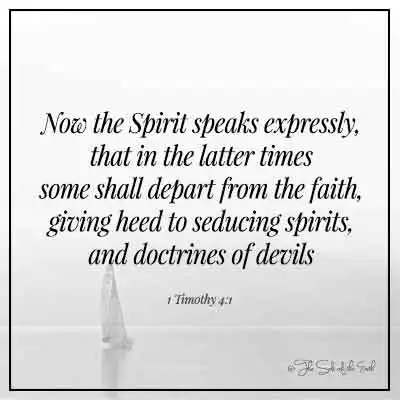
No reira, many false doctrines already entered the church, Ua turai te reira i te feia faaroo ia vai noa mai ta ratou e rave ra, e te tamau noa i te ora i roto i te hara.
Teie râ, ua tupu a'ena te reira i te tau o Iesu e te mau aposetolo.
Jesus and the apostles constantly warned the church for arie e tano that came with enticing words and preached false doctrines. (Mataio 24:11-24, Mareko 13:22, 2 Korinetia 11:12-15, Galatia 2:4, 2 E hō'ē 3 e 4, 2 Peter 2:1, 1 John 2:18-27, Tō'o'a 2:14-16; 20:25).
E ere te rahiraa o te ekalesia i te mea mo'a: i faataa - ê - hia no te Atua e no Ta ' na taviniraa, no te faateitei e no te faahanahana Ia'na. But the church allowed the spirit of the world to enter and focus on the service of man and being exalted and glorified.
Ei faahopearaa, aita te ekalesia i vai viivii ore Vahine ta'ata aita e vahi e aita e ino, ua viivii râ.
The abomination that leads to destruction
The abomination that leads man to destruction entered the church and has been given a place in the church. No te reira, Ua riro te diabolo ei upoo o te amuiraa e te parahi ra oia ei arii i nia i te terono o te ekalesia.
Aita te rahiraa o te mau melo o te ekalesia e haere ra ia au i ta te Atua e ta ' na Parau e parau ra, tera râ, eaha te diabolo (o te rave nei i te ohipa i roto i te tino e i roto i te ao nei) hi'o.
The devil tempts the people and leads them to sin through his lies and false doctrines (ngana). This way the devil prepares the church for the coming of the antichrist so that the church will also receive the antichrist.
I te hopea o te mau mahana hopea, E horo'a oia i te hoê korona (te mana e te mana) i te hoê taata, o te ti'a mai i ropu i te nunaa. Teie taata ta'na e horo'a i te korona (mana) e o vai te faaohipa i te mau haavare e te mau haapiiraa haavare a te diabolo no te faahema e no te haavare i te huitaata taatoa, e riro mai oia ei aneti-Keriso.
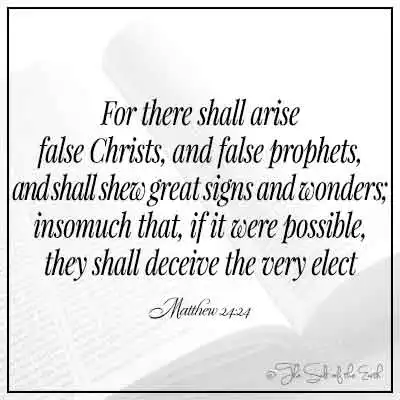
E farii te aneti-Keriso i te korona a te diabolo e e haere oia na te ara (te haavare e te mau haapiiraa haavare, o te patoi nei i te Parau a te Atua) and deceive many by performing great signs and wonders (Daniela 8:24-25, 2 Te mau mea 2:8-12, Tō'o'a 13)
Te taata e parahi ra i nia i te puaahorofenua uouo, o te Mesia anei aore ra te aneti-Keriso?
This man on the white horse isn’t Jesus Christ but the antichrist. Te Iesu Mesia mau, Who comes on a white horse is mentioned in Revelation 19:11. Teie râ, te taata i nia i te puaahorofenua uouo i roto i te Apokalupo 6 o te aneti-Keriso ïa, who comes as jesus; te mesia: te faaora o te huitaata nei.
Te aneti-Keriso, o te ‘iesu’ ïa a te diabolo e te faahoho'a ra oia i te diabolo e to'na basileia. Te aneti-Keriso o 'iesu’ o te diabolo; ua tonohia oia e te diabolo e e faahoho'a oia i te diabolo e to'na basileia.
E farii te ao nei i te aneti-Mesia, including the people that adhere a religion or philosophy.
That’s because the antichrist will be seen from every religion and philosophy as the deliverer, tei tonohia e to ratou atua, e ta te ao nei i tia'i.
Te faahiti atoa ra te Bible i teie taata, o tei faarirohia ei faaora o te ao nei.
Teie râ, te vai ra te tahi atu mau parau tumu i roto i te Bible, this man is not the Messiah but the antichrist that shall arise from the people and be given power from the devil to reign.
The antichrist shall arise in a time of deep darkness, i reira te hara e faatere ai, E rave rahi ati natura e tupu ra, Ua riro te ao nei ei arepurepuraa rahi, e te oraraa a muri a'e o te ao nei, mai i.e. te hoê hi'oraa i te pae faanavairaa faufaa, eita te ti'aturiraa e.
The antichrist shall be the world’s deliverer
I taua taime ra, ia ore ana'e te tiaturiraa no te ora mai, E ti'a mai teie taata e e haere mai oia e te pahonoraa e te faatitiaifaroraa, e e horo'ahia'tu ia'na te mana rahi.
E hi'o te nunaa ia ' na ei faaora, Na vai e faaora ia ratou i to ratou huru tupuraa i teie nei. E vai noa te hoê faanahoraa o te ao nei, E riro te hoê haapa'oraa faaroo/philosophia o te ao nei e te mau mea atoa ei mea ti'aturi, e tae noa'tu i te aneti-Keriso, e au ra e, e mea paieti oia e e ti'aturi, tera râ, e haavare oia e rave rahi na roto i ta'na mau haavare e e taamu ia ratou i te diabolo e to'na basileia o te pouri, e i te pae hopea e haamou te reira i te oraraa o te taata.
E pi'o te nunaa i mua i te aneti-Keriso
E pi'o te mau taata atoa i mua i te aneti-Mesia e e haamori ia'na, maori râ, o vai here i ni'a i te mau mea, e tae noa'tu ia ratou iho, e ia vai haapa'o maitai i Ta'na Parau e eiaha e tuturi i to ratou mau turi no te hoê taata, maori râ o Iesu Mesia mau, te Te Mesia, e te Arii.
E, o te ite nei i te Parau a te Atua e o tei farii i te hoê taairaa e o Iesu Mesia, e na roto Ia'na i piha'i iho i te Metua, e ia haere i muri i te Varua, E ite ratou i te aneti-Keriso e eita ratou e faariro ia ' na ei faaora, ei aneti-Keriso râ; the deceiver and adversary of God.
I rapae i te faatereraa a te aneti-Keriso, o vai tei ni'a i te puaahorofenua uouo (ei faaora) e te hoê ana'e (false doctrines that contradict the Word of God) e tei horo'ahia mai te hoê korona (mana) i te diabolo, e e haere ma te mana rahi, te raveraa i te mau tapa'o e te mau ohipa maere e rave rahi, e ono ohipa rahi; e ono tapa'o e haere mai.
E tama'i (te piti o te tapa'o), o'e (te toru o te tapa'o), E upooti'a te pohe e te pohe na roto i te 'o'e, o'e, pohe (ha'api'ira'a) e te mau animala (te maharaa o te tapa'o), te hamani-ino-raa i te mau tamarii a te Atua; the saints that stay loyal to the Word (te paeraa o te tapa'o), te riri o te Atua, o te faaitehia i roto i te mau ati natura (te ono o te tapa'o), e te maniania ore i te ra'i (te hituraa o te tapa'o).
'Ia riro ei miti no te fenua’