Hatramin'ny fiandohan'ny famoronana, the devil twisted the words and truth of God and commanded the exact opposite of what God commanded. Andriamanitra nanao hoe:, that man couldn’t eat from the tree of knowledge of good and evil, na izany aza, the devil said, that man could eat from the tree of knowledge of good and evil and encouraged man to eat from the tree. And to whom did man listen? And which commandment did man obey? Man obeyed the commandment of the devil. Just like so many people today, who say they know God and believe in Jesus Christ, mandritra izany, they listen to the voice of the devil and believe in his lies, and obey the commandments of the devil. And so by the walk of people, ny zanak’Andriamanitra, who keep the commandments of God, and the sons of the devil, who keep the commandments of the devil, are revealed. What are the commandments of God and the commandments of the devil?
The distinction between God’s people and the pagan nations
God made His will known by giving Moses Ny lalàna and commandments in the Old Covenant. The law of Moses consisted of precepts, FITSIPIKA, fombafomba, SORONA, ary fety, which God’s people had to keep and was meant for the carnal old man.
By keeping the law of Moses, God’s people distinguished themselves from the pagan nations, who went their own way and belonged to the devil and served him by doing the will of the devil and through idolatry and uncleanness.
The works of a person revealed, whether the person belonged to God, Ilay nahary ny lanitra sy ny tany ary izay rehetra ao anatiny, and was circumcised or the person belonged to the devil, ny mpanapaka izao tontolo izao (rafitra izao tontolo izao) and was uncircumcised.
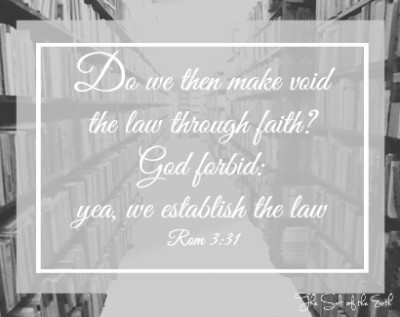
Ao amin’ny Fanekena Vaovao, Mbola izao ihany no zava-misy. Because although the law of Moses, which was meant for the old carnal man, who belonged to God through natural birth, tsy mihatra amin'ilay olom-baovao intsony, izay nateraka indray ao amin’i Kristy, Ilay lehilahy vaovao, who is circumcised in Christ, lives after the law of the Spirit that represents the will of God.
Fa inona no tsy vitan'ny lalàna, Satria malemy amin'ny nofo, Andriamanitra nandefa ny zanany lahy tahaka ny endriky ny nofo mpanota, ary ho an'ny ota, Nanameloka ny fahotana tao amin'ny nofo: Mba hahatanteraka ny fahamarinan'ny lalàna amintsika., izay tsy mandeha araka ny nofo, fa araka ny Fanahy. Fa izay araka ny nofo dia mihevitra izay zavatry ny nofo; fa izay araka ny Fanahy no zavatry ny Fanahy,. Ny fahafatesana no atao hoe saina araka ny nofo; Fa ny saina ara-panahy dia fiainana sy fiadanana (Romana 8:3-6)
The precepts and the moral commandments of God, which are the same commandments of Jesus Christ and Jesus even tightened the commandments, still apply in the New Covenant. Because just like Jesus came to fulfill the law, the new man shall also fulfill the law through obedience to the commandments of God and Jesus and by doing the will of the Father (Vakio koa: ‘Mbola manan-kery ny didin 'Andriamanitra?'ary'Mahay manatanteraka ny lalàna ve ny olona?’).
The sons of God walk in the commandments of God
Inona no holazaintsika amin'izany?? Hanohy ny fahotana ve isika?, mba ho be ny fahasoavana? Noraran'Andriamanitra ny. Ahoana no fomba hanaovantsika izany?, Izay maty noho ny ota, Miaina ao intsony ao? Tsy fantatrareo, fa maro amintsika izay natao batisa ho amin'i Jesosy Kristy no natao batisa ho amin'ny fahafatesany? Koa niara-nalevina taminy tamin'ny batisa ho amin'ny fahafatesana isika.: fa tahaka ny nananganana an'i Kristy tamin'ny maty tamin'ny voninahitry ny Ray, Na izany aza dia tokony handeha amin'ny fiainam-baovao koa isika.. Fa raha nambolena niaraka tamin'ny endriky ny fahafatesany isika, Ho tahaka ny endriky ny Fitsanganany tamin'ny maty ihany koa isika: Fantatrao izany, fa ny antitra nataontsika dia nohomboana aminy, mba horinganina ny vatan'ny ota, Amin'izany fotoana izany dia tsy tokony hanompo ny ota isika. Fa izay maty dia afaka amin'ny ota (Romana 6:1-7)
Ankehitriny dia ambasadaoro ho an'i Kristy isika izao, toy ny hoe Andriamanitra dia nangataka taminay: Mivavaka aminao izahay ao amin'ny saro-pon'i Kristy, Aoka ianao hihavana amin'Andriamanitra. Fa nataony ho ota ho antsika izy, izay tsy nahalala ota; mba hahatonga ny fahamarinan'Andriamanitra ao aminy isika (2 Corinthians 5:20-21)
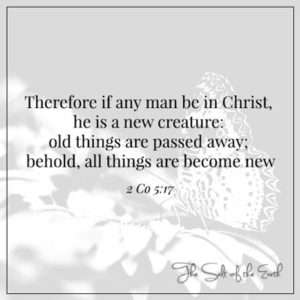
The new man is not a sinner anymore. Midika izany, that the new man is no longer a slave of sin and shall not obey sin and persevere in sin. But the new man is cleansed from all sins and iniquities by the blood of Jesus Christ and has been made holy and righteous and reconciled with God (Vakio koa: ‘Mbola mpanota ve ianao??‘ SY ‘Ny Fiadanana, Jesosy namerina tamin'ny laoniny teo amin'ny lehilahy nianjera sy Andriamanitra').
The new man is born again in Christ. Ny nofo, in which the sinful nature dwells and sin and death reigns, has been crucified in Christ and the spirit, in which God’s nature dwells and righteousness and life reigns, natsangana tamin'ny maty.
The new man shall walk in the spiritual armor of God and shall resist the temptations of the devil and resist sin and shall reign over sin and death (Vakio koa: The spiritual armor of God’)
The Holy Spirit dwells in the new man, izay ny lalàn'Andriamanitra, na amin'ny teny hafa, the will of God and His commandments are written upon the heart of the new man (a.o. Jeremiah 31:33-34, Hebreo 10:16-17 (Vakio koa: ‘Why did God write His commandments on tablets of stone?'))
If the will of God and His commandments are written upon the heart of the new man and the new man possesses God’s nature, then the new man shall do the will of God and shall walk in His commandments, since the will of God has become the will of the new man.
The new man walks in love by keeping God’s commandments
Zanako lahy, forget not My law; but let thine heart keep My commandments: Ho an'ny halavan'ny andro, ary ela velona, sy ny fiadanana, hanampy anao va izy? (Ohabolana 3:1-2)
Ary ianao no hatsangana, izay maty tamin'ny fanitsakitsahana sy ota; Izay fotoana lasa dia nandeha araka ny lalan'ity tontolo ity ianao, Araka ny andrianan'ny herin'ny rivotra, Ny Fanahy izay miasa ankehitriny amin'ny zanaky ny tsy fankatoavana: Anisan'ireny koa ny resaka nifanaovantsika nandritra ny fotoana niresaky ny nofontsika, Ny fanatanterahana ny fanirian'ny nofo sy ny saina; ary natoraly ny zanaky ny fahatezerana, even as others. But God, Iza no manankarena amin'ny famindram-po, noho ny fitiavany lehibe izay nitiavany antsika, Na dia maty tamin'ny ota aza isika, dia nanafaingana anay niaraka tamin'i Kristy, (amin'ny fahasoavana no namonjena anareo;) Ary nanangana anay hiara-manatrika izahay, Ary nahatonga anay hipetraka any an-danitra ao amin'i Kristy Jesosy: That in the ages to come He might shew the exceeding riches of His grace in his kindness toward us through Christ Jesus (Efesiana 2:1-7)
Raha tia Ahy ianareo, Tandremo ny didiko (John 14:15)
Tahaka ny nitiavan'ny Ray ahy, Ka dia tiako ianao: Tohizo ny fitiavako. Raha mitandrina ny didiko ianareo, Hitoetra ao amin'ny fitiavako ianareo; dia tahaka ny nitandremako ny didin'ny Raiko, ary mitoetra ao amin'ny fitiavany (John 15:9-10)
The new man shall no longer walk, as he or she walked before in the lusts of the flesh, fulfilling the desires of the flesh and of the carnal mind, that thinks like the world and is controlled by the prince of the power of the air, Ny fanahy izay miasa amin'ny zanaky ny tsy fankatoavana.
Fa ilay lehilahy vaovao, who is raised from the dead, shall walk by faith after the Spirit in the will of God in love, which means that the person shall keep the commandments of God and the commandments of Jesus.
The distinction between the sons of God and the sons of the devil
And just like in the Old Covenant God’s people distinguished themselves from the pagan nations, in the New Covenant the sons of God distinguish themselves from the sons of the devil by their works and lifestyle.
The sons of God walk after the Spirit in the commandments of God and do His will and the sons of the devil walk after the flesh in the commandments of the devil and do his will.
Let’s look at some of the commandments of God and the commandments of the devil, whereby we can conclude, to whom the church belongs and to whom the church bends her roots, Raha lazaina amin'ny teny hafa dia hoe, to whom the members of the church, ny mpino, belong to and to whom they listen and obey and whose commandments they keep (Vakio koa: 'To whom does the church bend her roots?’)
Ny didin'Andriamanitra sy ny didin'ny Devoly
Ny didin'Andriamanitra
- Tiava an'i Jehovah Andriamanitrao amin'ny fonao rehetra, saina, fanahy, sy tanjaka.
- You shall love Me by keeping My commandments
- Ianao dia love your neighbour as yourself
- You shall not love the world of which the devil is the ruler
- You shall have no other gods before Me and shall not make carved images, and shall not bow down to them nor serve them
- You shall not get involved with idolatry and pagan religions
- You shall not take the Name of the Lord your God in vain
- You shall remember the sabbath day
- You shall honor your father and mother
- You shall speak the truth and shall not lie
- You shall not kill (anisan’izany ny fanalan-jaza, euthanasie, ary famonoan-tena)
- You shall give
- You shall not steal
- You shall not covet your neighbour’s possessions
- You shall not deceive your neighbour
- You shall not get involved in sexual uncleanness
- You shall not commit fornication
- You shall not live together unmarried
- You shall not be unequally yoked together with unbelievers
- You shall not have sexual intercourse outside of marriage (Firaisana ara-panambadiana, extramarital sex, Sns)
- You shall not have sexual intercourse with someone of your own sex
- You shall not have sexual intercourse with children
- You shall not have sexual intercourse with yourself and masturbate
- You shall not have sexual intercourse with animals
- You shall not commit adultery and deceive your spouse
- You shall be loyal and shall not divorce
- You shall not speak evil
- You shall be thankful and shall not murmur and complain
- You shall forgive
- You shall not print any marks upon you and therefore shall not get a tombokavatsa
- You shall not inquire the dead and Manompoa fanahy
- You shall not engage in divination
- You shall walk after the Spirit
The commandments of the devil
- You shall hate God and everything that God has created and has instituted
- You are important and you shall love yourself with all your heart, fanahy, saina, sy tanjaka
- You shall love me by keeping my commandments
- You shall love the world of which I am the ruler and all the things of the world
- You shall have other gods and adopt pagan religions and make for yourself carved images, and shall bow down to them and serve them and commit idolatry
- You shall take the Name of the Lord your God in vain (ampiasaina amin'ny zavatra tsy masina, ozona, Sns)
- You shall consider the sabbat day as any other day
- You shall rebel against your father and mother
- Ianao dia lainga
- You shall kill (anisan’izany ny fanalan-jaza, euthanasie, ary famonoan-tena)
- You shall not give, you shall only give if it profits you
- You shall lie, including making (DISO) FAMPANANTENAN'ANDRIAMANITRA, and don’t keep them
- You shall be jealous and envious
- You shall covet your neighbour’s possessions
- You shall deceive your neighbour
- You shall walk in (firaisana) fahalotoana
- You shall commit fornication
- Ianao dia Miara-miaina tsy manambady
- You shall have sexual intercourse outside of marriage
- You shall have sexual intercourse with someone of your own sex
- You shall have sexual intercourse with children
- You shall have sexual intercourse with yourself and masturbate
- You shall have sexual intercourse with animals
- You shall commit adultery and deceive your spouse
- You shall divorce
- You shall speak evil
- You shall murmur and complain
- You shall not forgive
- You shall print marks upon you and get tattoos
- You shall inquire the dead and Manompoa fanahy and communicate with them
- You shall engage in divination
- You shall walk after the flesh
(a.o. fifindra 20, LEVITIKOSY 18:22; 20:13; 19, Deoteronomia 5; 6; 18; 23:17, MALAKIA 2:16, Matthew 5; 6; 19; 22:36-40, Mark 10, Lioka 12:15, John 14:15; Romana 1:24-32, 1 Corinthians 6:9-11, GALATIANINA 5:19-26)
The Father of truth and the father of lies
The devil is a liar and twists everything and causes the people to doubt the words of God and make them believe that the commandments of God are not beneficial but evil for mankind and outdated and no longer applicable and that the commandments of God keep the people in bondage, which are lies ofcourse.
na izany aza, the worst thing is, that many people, anisan’izany ny olona, izay milaza fa mino izy ireo, have more faith in the words of the devil than the words of God and believe the lies of the devil, iza no rain'ny lainga, above the truth of God, Who is the Father of truth, and as a result obey the devil and keep his commandments and walk in his will instead of obeying God and keep His commandments and walk in His will.
‘Aoka ho fanasin’ny tany’