Intsingiselo yokwenene yomnqamlezo ayisoloko iqondwa. AmaKristu amaninzi athetha ngomnqamlezo kwaye ashumayela umnqamlezo, ngoxa bephila njengeentshaba zomnqamlezo. What is the significance of the cross according to the Bible and what does the cross mean in the lives of Christians?
AmaKristu amaninzi anobudlelwane noYesu noYise ngendlela yawo
There are many Christians that believe in Jesus Christ and repented and are born again, but don’t want to have anything to do with the moral part of the law. They don’t want to keep all kinds of rules and consider them legalistic. Kwaye umthetho yinxalenye yenkolo kwaye ayiyonxalenye yobudlelwane noYesu Krestu.
Abafuni kuxelelwa ukuba mabenze ntoni, but they want to be free. They want to live in freedom and have a relationship with Jesus Christ and the Father their way.
Kwiimeko ezininzi, the relationship looks more like a LAT relationship (Living Apart Together) than a marriage. Ngenxa yokuba amaxesha amaninzi, Christians only spend time with God when they have a need or problems in their lives.
When they’ve a need or problems, they need God to show up and supply their needs and fix their problems. Nangona kunjalo, the rest of the time, baphila ngokwentando yabo, benza oko bafuna ukukwenza.
Phofu, going back to the fact that many Christians say that the moral part of the law is not relevant anymore, how come, that they say they are redeemed from the law, okwangoku, they still live as carnal people to whom the law was intended. Ithetha ntoni le nto?
The old carnal man keeps falling back into sin
The law of Moses was meant for the old carnal man, who lived in a sinful flesh from a fallen state and belonged to God’s chosen people by birth and the circumcision in the flesh. The sacrificial laws were meant for the old carnal man.
The sacrificial laws dealt with the (umntu ngamnye) izono nobugwenxa boThixo indoda endala yenyama, but not with the sinful nature of the old carnal man.
Igazi lezilwanyana lalingenamandla ngokwaneleyo okujongana nemeko yesono yomntu omdala. That’s because animals are not equal to man. Inyama yezilwanyana yahlukile kweyomntu (1 KwabaseKorinte 15:39).
The blood of animals could only deal with the sinful deeds that derived from the sinful flesh.
Ngoko ke, the blood of animals could only make a temporary atonement for the sins of man. Yiyo loo nto imibingelelo kwakufuneka yenziwe rhoqo.
Despite the sacrifices and the blood of perfect animals, man remained the same.
The old man was still trapped in the sinful nature of the flesh and could not be delivered from it.
Ngalo lonke ixesha, kwakufuneka bavume izono zabo, guqukani uze uzicamagushele izono zabo. Izono zabo zazixolelwe zaxolelwa ngamadini nangegazi lezilwanyana de babuyele kwimikhwa yabo yakudala baphinde bone.. Le yayiyinkqubo eqhubekayo.
Igazi lezilwanyana lalihamba ngokuqhubekayo, but the sinful nature of the flesh remained present in the generation of fallen man.
UYesu wasebenza ngemeko yesono yomntu owileyo
This process continued until Jesus came and dealt with the sinful nature of fallen man that produces sin and leads to death.
Ekubeni ngoko abantwana bengamadlelane naye ngenyama negazi, Naye ngokwakhe wathabath' inxaxheba kwezi zinto; ukuze ngako ukufa ambhangise lowo unamandla okufa, yiyo i, umtyholi; abakhulule ebukhobokeni bonke abo babethe ngalo lonke ixesha lokudla kwabo ubomi bazizisulu zokoyika ukufa (Hebhere 2:14-15)
UYesu akazange athabathele kuye izono kuphela. He carried the sins and iniquities kwi Inyama yakhe yaza yaba yiNdaba yomntu owileyo. UYesu wasithwala isohlwayo sezono, oko kukufa, kwaye wangena ngokusemthethweni eHadesi (isihogo).
Nangona kunjalo, the death was not strong enough to keep Jesus in Hades. Emva kweentsuku ezintathu, Jesus rose from the dead by the power of the Holy Spirit with the keys of hell and death. Jesus conquered the power of death and had taken the dominion legally back from the devil.
Jesus released the righteous prisoners of death and gave the ability to everyone to be delivered from the power of death and hell kwaye nixolelaniswe noThixo. (Owu. UMateyu 27:50-54; UYohane 1:11-13; AmaRoma 5:10; 2 KwabaseKorinte 5:18-20; Kwabase-Efese 4:10; KwabaseKolose 1:21-23).
Weza uYesu wathetha kubo, esithi, Linikwe Mna lonke igunya ezulwini nasemhlabeni. Yiya ngoko, kwaye ufundise zonke izizwe, Ukubhaptiza egameni likatata, kunye noNyana, kunye noMoya oyiNgcwele: Nibafundisa ukuba bazigcine zonke izinto endikuwisele umthetho ngazo nina: kwaye, khangela, Ndihleli nani, even unto the end of the earth
UMateyu 28:18-20
The new creation is delivered from the sinful flesh through regeneration
Only by faith in Jesus Christ and becoming born again, umntu unokukhululwa enyameni enesono. Nge ubhaptizo in Christ and the baptism with the Holy Spirit, the flesh of the old man dies and the spirit raises from the dead and the new man receives the Holy Spirit.
The new creation has left the old behind and receives a new life in the spirit. Ngegunya likaYesu Kristu nangamandla oMoya oyiNgcwele, the new man has the ability to become a son of God (kokubini amadoda nabafazi) and walk as a son of God in obedience to God in righteousness.
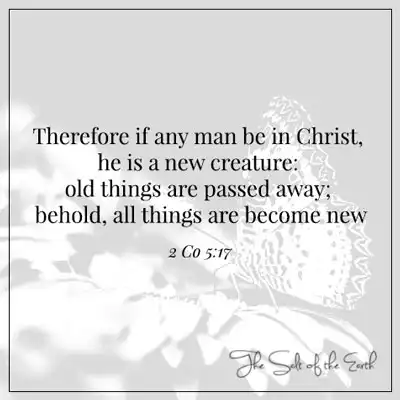
The new man shall put away the carnal works of the old man, and do the will of the Spirit, whereby the new man shall come forth in the natural. (Funda kwakhona: Ngaba ungaphila ubomi bovuko ngaphandle kokufa??)
The Holy Spirit has the same will as Jesus and the Father and confronts and reproves a person of sin. Ke kuxhomekeke emntwini ukuba amthobele kwaye asuse izono.
Kaloku umntu akasenguye owesizukulwana somntu owileyo kwaye akasenasathana njengoyise.
The person belongs to the generation of the new man (indalo entsha) that is created in Jesus Christ. The new creation is born of God and has God as Father.
The new creations are the sons of God and together they are the church; umzimba kaYesu Kristu.
I injongo yebandla is to raise the saints in the Word of God and equip them. Lo nto, they know the will of God and become equal to Jesus Christ and walk as Jesus walked in obedience to the Father’s will, preaching and bringing the Kingdom of God to the people.
Persevere in sin through ignorance and a lack of knowledge
Nangona kunjalo, the problem is that in many churches instead of sons of God, abafundi bezakwalizwi, izithethi ezikhuthazayo okanye abaziphakamisayo, abathi baseyindalo yakudala, benokumila kokuhlonela uThixo, basemva kwepulpiti kwaye bafundise amakholwa.
Bazifundisa ngokwengqondo yenyama nobulumko babo bobuntu, ulwazi, neentanda-bulumko endaweni yengqondo kaKristu nenyaniso yeLizwi likaThixo.
In order to get an audience and attract people and be exalted, bashumayela oko bafuna ukukuva abantu.
Through their sermons that revolve around the carnal man (inyama), they ensure that the people become depended on them and that they stand above the believers.
By preaching carnal words and vain philosophies that derive from their carnal mind, instead of preaching the truth of God’s Word that derives from the mind of Christ, they keep the believers ignorant about the truth.
Ngobuxoki babo, babagcina ebukhobokeni, kwaye yiloo nto kanye ayifunayo umtyholi.
Nge ukuswela ulwazi lweLizwi likaThixo, Christians keep living in bondage of their flesh. Baqhubeka belandela inyama yaye bazingisa esonweni yaye abanakuyeka ukona.
Kwisandle esinye, bayaxelelwa, ukuba akusekho sono. Ngoko ke, they can’t walk in sin. Kwaye kwelinye icala, they are told that they always remain a sinner. Therefore they will persevere in sin until the day that they’ll die. Kuba kuphela ngokufa kwemvelo, baya kukhululwa enyameni yabo enesono.
False doctrines are preached to keep Christians in bondage
But that is a big lie that derived from the carnal mind of people, ababeseyindalo endala. This false doctrine is based upon human philosophies and personal experiences. If this doctrine would be true, kwakutheni ukuze uYesu eze kulo mhlaba? Kwakutheni ukuze uYesu abe liMbambela lethu ukuze ajongane kube kanye nengxaki yesono? Kwaye kwenzeka ntoni ngomhla we IPentekoste?
The people that came up with this false doctrine were unspiritual. Babengafuni ukuncama ubomi babo benyama. Kwaye, they adjusted the gospel and truth of God to their own carnal experiences, iziphumo, iinkanuko, kunye neminqweno.
Kwaye ngenxa yenyani, ukuba bamiselwa libandla ngenxa yokuba babenediploma okanye iPh.D. and therefore obtained a certain status, the church adopted and applied this doctrine. To this day, this lie is still preached.
Christians are sidetracked
Ngenxa yale mfundiso yobuxoki, many Christians are sidetracked and many souls have been lost. While they could have been saved by preaching the right sermons according to the Bible (ilizwi) noMoya oyiNgcwele.
Ngenxa yobu buxoki, many Christians have the idea that when they guqukani uze uzalwe ngokutsha (according to their theology), abahlanjululwanga kuphela kwizono zabo zakudala, but also from their sins in which they persevere after they become born again. Because they can’t be redeemed from sin, but will always stay a sinner.
If the Bible says that Jesus came to redeem man and has redeemed man through His work at the cross, but the preacher or theologian says that man always remains a sinner, othetha inyaniso?
What has Jesus done at the cross according to these theologians or preachers? Yayiyintoni injongo yokuza kwakhe kunye nentsingiselo yedini lakhe?
Ngenxa yenyani, that many Christians are not truly born again and have no personal relationship with Jesus Christ; ilizwi, noko ke kholwani, trust and lean on the words of preachers and theologians. They believe the words of people above the words of God.
Kuba ukungathobeli komntu omnye abaninzi kwenziwa kwaboni, Ngokuthobeka komntu abaninzi boba balilungisa
AmaRoma 5:19
Izono endaweni yenyama yabethelelwa emnqamlezweni
Endaweni yokubethelela inyama yabo, ehleli kuyo isimo eso, esivelisa isono, izono zabo bazibethelela emnqamlezweni. Abajongani nengxaki yesono, awathi uYesu weza ngalo emhlabeni. Kunoko, they keep living in the lies, ezisasazwa ngumtyholi ngeentanda-bulumko zabantu benyama.
Kodwa inyaniso kukuba, ukuba nje ingafi inyama yexhego, the person shall walk after the flesh and persevere in sin and shall keep doing the things that oppose the will of God.

Logama nje abantu benyamezele esonweni, abakhululwanga bakhululwe esonweni, but are still a umkhonzi wesono.
In some churches or at seminars there is even a wooden cross on the stage with pieces of paper, nails, and a hammer.
Abatyeleli banokubhala phantsi izono zabo okanye iingxaki zabo kweli phepha kwaye babethelele emnqamlezweni. Kodwa esi sisenzo senyama semvakalelo (inyama) kwaye ayinanto yakwenza noMoya.
Because when they go home, they continue their lives and fall back into the same sin. Njengabantu bakaThixo kwiTestamente eNdala.
That’s why many Christian, abathi bazelwe ngokutsha, kwaye abafuni kwanto yakwenza nomthetho, live the same way as the carnal people of God for whom the law was intended, oko kukuthi: ixhego lenyama, who is trapped in the sinful flesh.
Endaweni yokujongana nengxaki yesono, oko kukuthi unobangela wesono: inyama enesono, they try to deal with their sins out of their flesh by using all kinds of natural means and methods
UYesu wafa ngenxa yesono sendoda endala
Jesus didn’t die for your sins so that you can keep walking in sins. But Jesus died because of your sins that derive from the sinful nature of the flesh of the old man.
Jesus died for the old man, umoni. Lo nto, kuye, ixhego (inyama) uyafa kwaye umntu omtsha (umoya) ivuswe ekufeni.
Jesus not only dealt with the sins and iniquities of fallen man at the cross. But Jesus also dealt with the sinful nature of fallen man, ekhoyo enyameni. Kunjalo ngoba, xa umntu, oyindalo endala (umoni), uzalwa ngokutsha, akasenguye umoni.
enathi kuye naluswa nokwaluswa ngolwaluko olungenakwenziwa ngazandla, ekuhlutheni umzimba wezono zenyama, ngalo ulwaluko lukaKristu: Wangcwatywa kunye naYe elubhaptizweni, ekuye, navuswa nokuvuswa naye, ngokholo lokusebenza kukaThixo, owamvusayo kwabafileyo (KwabaseKolose 2:11-12)
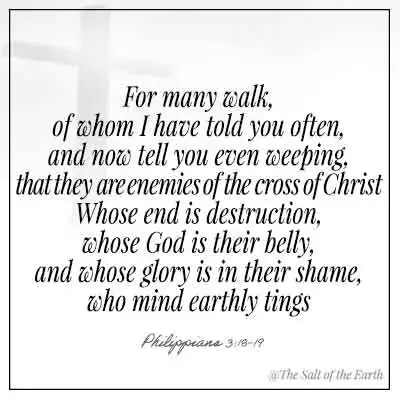
The person has become a new creation: ubulungisa bukaThixo kuKristu. Umntu, othe waba sisidalwa esitsha, angabi sazingisa esonweni. Ngokuba abo, abo ke bakaKristu, inyama bayibethelele emnqamlezweni, kunye neminqweno neenkanuko zayo. Ngoko ke, abayi kuzingisa esonweni kodwa baya kwenza imisebenzi yobulungisa.
Yintoni eyayingenakwenziwa ngumthetho kunye negazi lezilwanyana, UYesu wayenako! UYesu, ILizwi eliphilileyo, came in the flesh and became the Substitute of the disobedient, indoda endala enemvukelo, esiphelo sayo ikukufa okungunaphakade edikeni lomlilo.
Ke kaloku abo ke bakaKristu, inyama bayibethelele emnqamlezweni, kunye neminqweno neenkanuko zayo
kwabaseGalati 4:24
The true meaning and result of the cross in the lives of believers
Emnqamlezweni, UYesu wayeqhubana nemvelo yesono, ekhoyo enyameni. Lo nto, wonke umntu, okholwayo kuye aze azalwe ngokutsha, uya kukhululwa kwimvelo yesono yenyama, nto leyo evelisa isono nokufa.
The believer shall no longer produce sin from the sinful flesh, but righteousness from the Spirit (Owu. AmaRoma 6-8; kwabaseGalati 5:16-26).
Ngaba uyafuna ukususa izono ebomini bakho? Emva koko konke okufuneka ukwenze: yiyani kwityala lesono. Yiya kwingcambu yengxaki yesono, yona inyama. Logama nje inyama yakho ingafi, umoya wakho awunakuvuka.
‘Yibani yityuwa yehlabathi’