E inoi ana mo te hunga mate e mahia ana e nga Karaitiana, Ko wai e whakaaro ana ka taea e ratou te whakarereke i te waahi whakamutunga o te tupapaku i a raatau inoi. Na ka inoi ratou i tetahi inoi mo te hunga mate. But was praying for the souls of the dead practiced by the Church in the New Testament or is it a false doctrine that derived from the carnal human mind? Let’s look at what the Bible says about praying for the dead. Aheahea koe e inoi mo te hunga mate, and when can’t you pray for the dead?
Aheahea koe e inoi mo te hunga mate?
Ka taea e koe te inoi mo te hunga mate? The answer is both yes and no. Mai i te mea he ahua wairua o te mate me te ahua o te mate.
People that are not born-again in Christ live under the authority of the devil and the death in darkness and are dead to God. Ko tenei ahua o te mate ko te ahua wairua o te koroua (hanga tawhito).
The old man is alive to the world but dead to God due to his State State and sins and iniquities.
As long as people live on earth under the authority of the death in the kingdom of darkness, they have the ability to be redeemed from the power of death and be saved by the blood of Jesus Christ and the resurrection of the spirit from the dead and to become alive to God, Na te whakapono me te whakahoutanga i roto i a te Karaiti
Ka taea e koe te inoi me te inoi mo enei iwi, e noho nei i te whenua engari kua mate te wairua.
No te mea ka mate katoa a Adamu, Waihoki ko te Karaiti ka ora katoa (1 Koriniti 15:22)
Na reira i mea ai ia, E ara, e te hunga e moe ana, ka ara ake i te hunga mate, a ma te Karaiti e homai te marama ki a koe (Epeha 5:14)
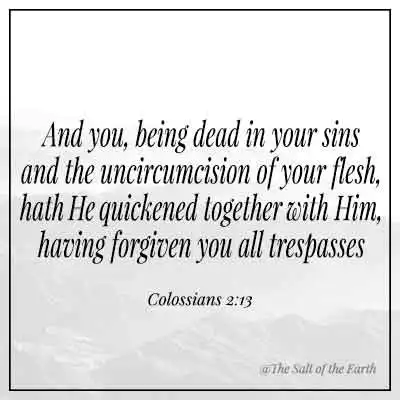
Na kei a koe ano te whakaoranga, i mate i roto i nga he, i nga hara; Ko te mea i mua i mua i haere koe i runga i tenei ao, E ai ki te rangatira o te mana o te rangi, Ko te wairua e mahi nei i nga tamariki o te tutu: I roto hoki i a tatou korero katoa i mua i nga hiahia o to tatou kikokiko, te whakatutuki i nga hiahia o te kikokiko me te hinengaro; a ko nga natura nga tamariki o te riri, Ahakoa etahi atu. Tena ko te Atua, Ko wai e whai taonga ana, Mo tana aroha nui i aroha ai ia ki a tatou, Ahakoa kua mate tatou i roto i nga hara, Kua oti ia matou te whakaora me te Karaiti, (Na te aroha noa ka ora koutou;) (Epeha 2:1-5)
Kia mohio ai ahau ki a ia, E te mana o To'na Ti'a-faahou-raa, me te whakahoahoa o ana mamae, Ko te hanga i runga i tona matenga; Me kore e tutuki ahau ki te aranga o te hunga mate (Philipi 3:10-11)
Kei te mohio ahau ki au mahi, he ingoa koe i te ai koe, me nga mea kua mate (Whakakitenga 3:1)
A, no te kore koe e ahei kia inoi mo te hunga mate?
But it’s too late for people, i mate nei kaore ano kia ora i runga i tenei whenua. Kaore e taea e koe te inoi mo te tupapaku kia huri i to raatau haerenga whakamutunga. Therefore the living can’t do anything for people that died and are no longer among us.
There is no turning back and no second change for the unbelievers that passed away and didn’t believe in Jesus Christ, the Son of God and His redemptive work, and have not repented and are not born again in Christ and have not become a new creation during their lives on earth.

They made a choice to obey and serve sin and death through their flesh and rejected Jesus Christ, Ko wai te Ara, Te Tika, me te ora.
Kihai ratou i pai kia mate i roto i te matenga o te Karaiti, a ka ara ake i te hunga mate i roto i a ia. But they loved their own lives.
He uaua te pono o tenei pono, kaore ano etahi taangata e kaha ki te kawe i tenei pono. No reira, Kia pai ai te mamae o te hunga ora, nana nei i ngaro te whakaponokore, many lies are told and false doctrines arose throughout the ages that caused them to believe that the living can still pray for the dead and change their final destination.
They believe that their prayers can ensure that the unrepented deceased person and/or the deceased person that attended church and lived in friendship with God but persevered in sin, can still inherit eternal life.
One of these false doctrines is the doctrine of purgatory that derives from the Catholic faith.
He aha te purea?
Purgatory is an intermediate state where the souls of the elect, Ko wai te mate tinana ka mate, ka noho ki te taha o te Atua, engari kaore i tino oti te pure, ka purea e te ahi horoi. He waahi mo te purenga kia tae ra ano ki te ahua o te tapu, e hiahiatia ana kia uru ki te rangi.
Ko nga inoi a te hunga ora e tika ana ki te awhina i nga wairua o te wehenga me te whakapoto i to wa o te purgatory.
The doctrine of purgatory is based on two scriptures: 1 Koriniti 3:10-15 a 2 Maccabees 12:4-44.
Ina titiro tatou 1 Koriniti 3:10-15, we can conclude that this scripture isn’t about the purification process after death. But it’s about the Day of Judgment, when everyone will be judged according to his or her works on earth.
2 Maccabees 12:4-44 Ko tetahi waahanga o te apacrypha me te kore e whakaaetia e nga Prestants hei Kupu a te Atua.
Ka taea e koe te noho i roto i te whanaungatanga me te Atua me te kore e tino pure?
Kāore, you can’t be part of the elect and live in friendship with God without being fully sanctified. Ko te ara anake ki te Atua na roto ia Ihu Karaiti me ona toto.
Ko Ihu Karaiti te huarahi, te pono me te ora. Only by Jesus Christ and His blood and through faith and regeneration in Him, Ka taea e koe te ora, ka hanga i te hunga tika, ka houhia hoki ki te Atua, ka uru ki te rangatiratanga o te rangi ka noho tahi me ia. (Aue. Hone 3:3-6; 3:16, 2 Koriniti 5:21, Epeha 2:8-9)
A, ki te mea kua waiho koe hei mea hanga hou, kua houhia hoki te Atua ki te rangatiratanga o te Atua ma te whakapono, ripeneta, me te whakahou i roto ia te Karaiti, you shall be fully sanctified from all your sins and iniquities and kaua e hara.
You shall no longer live in rebellion against God and persevere in sin.
Heoi ano to koutou mahi i te kikokiko, since your flesh died in Christ and you have been redeemed from sin and death.
No reira, you are no longer a Tuhinga o mua. Engari me noho koe ki te ngohengohe ki te Atua, me ana kupu me tana pono i runga i tana hiahia, ka mahi i nga mahi tika.
No reira kua tanumia tatou ki a ia e te iriiringa ki te mate: kia rite ki te Karaiti i whakaarahia ake i te tupapaku na te kororia o te Matua, Ahakoa ka haere ano hoki tatou i roto i te ao hou o te koiora. Ki te mea i whakatokia tatou i roto i te ahua o tona matenga, E ti'a ia tatou ia riro ei huru o To'na Ti'a-faahou-raa: Ma te mohio ki tenei, kua ripekatia to tatou koroheke ki a ia, kia whakangaromia te tinana o te hara, a muri ake nei e kore tatou e mahi i te hara. Ko te mea hoki kua mate, kua mawheto ia i te hara.
Na, ki te mate tatou me a te Karaiti, Te ti'aturi nei tatou e, e ora ano tatou eia e ia'na: E matau ana hoki kua whakaarahia ake a te Karaiti i te hunga mate, heoi ano ko te mate; kahore he mana o te mate ki a ia. No te mea kua mate ia, I mate ia ki te hara kotahi: engari i roto i tona ora, Te ora ia i te Atua. Waihoki ko koutou ano, kua mate mo te hara, Tena ko te ora ki te Atua na roto ia Ihu Karaiti, to tatou Ariki (Roma 6:4-11)
Ki te mea kua purea koutou i o koutou wairua ki te whakarongo ki te pono na te Wairua ki te aroha ki nga teina, Kia kite koutou e aroha ana tetahi ki tetahi me te ngakau ma: I whanau ano, ehara i te purapura kino, Tuhinga o mua, Na te Kupu a te Atua, e ora nei, e noho tonu ana (1 Pita 1:22-23)
can you be saved through a church membership or your own works?
You can’t be saved and live in friendship with God through a church membership or by attending a church service on a regular basis nor to do ‘good works’.
Kaore he mahi kotahi, Ko te mahi i waho o te kikokiko e kiia ana he pai, ka taea e te tangata he tika. That’s because every carnal work derives from the sinful nature of the koroua and possesses a selfish character.
Hei tauira, you may feel better by attending a church service and/or by doing ‘good works’ and become puffed up and prideful.
Na te aroha noa hoki koutou i ora ai i runga i te whakapono; a ehara i a koutou ake: Ko te koha a te Atua: Ehara i te mahi, kei whakamanamana tetahi ki tetahi tangata (Epeha 2:8-9)
Kaua e hara i te rangatiratanga o to tinana, kia rongo ai koutou i roto i nga hiahia o nga hiahia. Kaua ano e tukua o koutou wahi hei mea whakatangi i nga hara katoa.: Engari tukua mai ki a koutou te Atua, Ka rite ki nga mea e ora ana i te hunga mate, e outou mau melo ei mau upp â no te parau-ti'a ai i te Atua (Roma 6:12-13)
E ora ana koe, kia ma, kia whakatapua e koe o koutou hara katoa, a kahore e kai i te Matua, a kahore e rongo ki te Matua, Engari ko koe tonu te waiata tawhito, whereby you shall walk after the flesh in disobedience to God and do the works of the flesh, ko te hara.
Te parau ti'a e te aroha o te Atua
The people that believe in the doctrine of purgatory believe that purgatory shows God’s righteousness and mercy. But the righteousness and mercy of God are revealed in the New Covenant through Jesus Christ and the Holy Spirit.
I aroha hoki te Atua ki te ao, i hoatu e ia tana Tama kotahi, Kia kore ai e ngaro te tangata e whakapono ana ki a ia, Engari he ora tonu (Hone 3:16)
Ka inoi ahau ki te Matua, a ka hoatu e ia tetahi atu Kaiwhakamarie ki a koe, kia noho tonu ia ki a koutou a ake ake; Ara te Wairua o te pono; e kore e taea e te ao te tango, Na te mea kaore e kitea e ia, kahore hoki e mohio ki a ia: engari e matau ana koutou ki a ia; kei te noho ia ia ki a koe, a kei roto i a koe (Hone 14:16-17)
It is the will of God that everyone be saved and not be lost forever. Koia i homai e te Atua tana Tama me tona wairua. So that every person on earth has been given the ability to become a son of God (Nga tane me nga wahine) and walk as a son of God by faith in Jesus Christ and regeneration in Him.
Kei nga tangata katoa a Ihu Karaiti! Ki te kore a Ihu Karaiti, me te kore o ona toto kaore e taea te whakaora me te whakatapua i tona hara me ona he, ka tika. (Panuitia hoki: Ko te koiora ehara i te mea e kitea ana e koe, Engari ka kitea a Ihu).
Ka taea te hara i muri i te mate?
Kāore, sins can’t be forgiven after death. Your sins can be forgiven during your life on earth but not after you die.
Ko te tangata e aroha ana ki tona ora, ka mate ano ia; ko te tangata e kino ana ki tona ora i tenei ao, ka ora tonu ia i te ora tonu (Hone 12:25)
Kei reira te pure i muri i te mate me te aroaro o te whakawakanga?
Kāore, when a person dies it’s over and judgment will follow. Mena kua mate tetahi tangata, Kaore he huarahi mo te hunga kaore i tiakina kia ora.
Kaore he whenua takawaenga. Kaore he purgatory, te wahi e kaha ai te iwi ki te purea me te kore ranei o nga inoi a te hunga ora i te whenua.
Na kua rite ki te tangata kua mate kotahi te mate, Engari i muri i tenei whakawakanga: Heoi kua whakaekea e te Karaiti ki te kawe i nga hara o te tini; a ki te hunga e rapu ana ia ia, ka puta mai ano ia, e kore ano e hara ki te whakaoranga (Hiperu 9:27-28)
Anei te manawanui o te hunga tapu: Anei ratou e haapa'oi te mau faaueraa a te Atua, E te faaroo a Iesu (Whakakitenga 14:12)
I Ruka 16:19-31 Jesus told the parable of the poor Lazarus and the rich man, who both belonged to the house of Israel (God’s covenant people).
In this parable, Ko te tangata taonga kaore i hoatu i te wa tuarua. Ko te tangata taonga kaore i purea, kia haere tonu ia ki te rangi. Kāore, Ko te haerenga tenei o te tangata taonga. I tino whakamataku tenei haerenga, ko te tangata taonga i hiahia ki a Raharuhi kia whakatupato i tona papa me nga tuakana tokorima hei aukati i a raatau kia haere ki te haere ki taua haerenga. Engari ko te tono a te tangata taonga kaore i tukuna, I a ratou hoki e Mohi ratou ko nga poropiti i whakarongo ai ratou ki a ratou.
Te whakawa me te haerenga whakamutunga
Kaore he purgatory, Kaore he waahi i muri i te mate, te wahi ka taea te pure i nga tangata ka ora. Ko nga waahi anake e whakahuahia ana i roto i te Paipera me te ahi he reinga (Hāmaure) me te roto mure ore.
All the people that didn’t belong to Jesus Christ and have not been risen from the dead during their lives on earth and have not died in Him, Engari no te mate, they shall see the death and go to hell and stay there until they will be judged. After the judgment will receive the second death and will be cast into the eternal lake of fire.
A ka kite ahau i tetahi torona nui ma, me te tangata e noho ana i runga, No ratou nei te mata o te ao, a rere ana te rangi; and there was found no place for them And I saw the dead, iti me te rahi, Tu ki te aroaro o te Atua; a kua whakatuwherahia nga pukapuka: Na ka whakatuwherahia tetahi atu pukapuka, ko te pukapuka o te ora: ko nga tupapaku i whakawakia i roto i nga mea i tuhia ki nga pukapuka, rite ki a raatau mahi.
A tukua ana e te moana nga tupapaku i roto i a ia; Na, ko te mate me te reinga i tuku nga tupapaku i roto ia ratou: a ko ta ratou i whakarite ai, i rite ki a ia, ki a ratou mahi, rite tonu ki a ratou mahi. Na ka panga te mate me te po ki te roto ahi. Ko te mate tuarua tenei. Na ko te tangata kahore i kitea, kua oti te tuhituhi ki te pukapuka o te ora, ka maka ki te roto ahi (Whakakitenga 20:11-15)
Ko te wikitoria ka riro ia ia nga mea katoa; Ko ahau hoki hei Atua mona, a ko ia hei tama maku. Engari te wehi, me te whakaponokore, me te mea whakarihariha, Tuhinga ka whai mai, me nga moepuku, me nga makutu, me nga Idolaters, Tuhinga ka whai mai, ka whai wahi ano ki te roto i te kapura me te whanariki: Ko tehea te mate tuarua (Whakakitenga 21:7-8)
Stop praying for the people that are physically dead and pray for the people that are spiritually dead
No reira, patoi i te parau teka a te Diabolo e te patoi i te pure no te mau varua kua horo'a. Engari, begin to pray for the dead who live on earth. So that they will believe, ripeneta, and by faith and regeneration in Christ be raised from the dead and become alive to God and be saved, kei kite ratou i te matenga ka mate ratou i te tinana, ka tahu i roto i te reinga, engari kia whiwhi ratou i te ora tonu.
Na, nana, Ka tere ahau; Kei ahau ano hoki taku utu, kia rite ki tana mahi te rite mo tana mahi, ma tana mahi. Ko ahau te alpha me te omega, te timatanga me te mutunga, te tuatahi me te whakamutunga (Whakakitenga 22:12-13)
‘Hei tote mo te whenua’
Mātāpuna: Kjv, Wikipedia