Jumal ei taha, et keegi hukkuks. Sellepärast andis Jumal inimestele kõik, et täita oma tahet ja päästa inimesi surmast. Kuid, inimestele on antud vaba tahe teha elus ise valikuid. They decide which path to go: the broad way of the world that leads to destruction or the narrow way of life that leads to eternal life. Läbi kogu Piibli, we see the great love of God that doesn’t want anyone to perish. Sellepärast kutsus Jumal kogu Piiblis inimesi meeleparandusele. Aga mis tõi rahva meeleparandusele? The revelation and conviction of sin brought people to repentance. How else can a person repent if a person doesn’t see his sinful state and consider his works evil? Let’s look at the conviction of sin in the three dispensations of the Bible and how sin was revealed in each dispensation.
Veendumus patus Jumala evangeeliumi ajajärgul
Nagu on mainitud a eelmine blogipostitus, võime jagada Piibli kolmeks evangeeliumi ajajärguks: Jumala Isa evangeeliumi ajajärk, Poeg Jeesus Kristus (Elav Sõna), ja Püha Vaimu. Kuid, kõigil kolmel dispensatsioonil, me näeme pidevat koostööd Kõigeväelise Jumala vahel, Jeesus; sõna, ja Püha Vaimu.
Jumala esimesel evangeeliumi ajajärgul, me näeme Jumala ja Tema valitud rahva vahelist suhet liha järgi; Iisrael (sündinud Jaakobi seemnest).
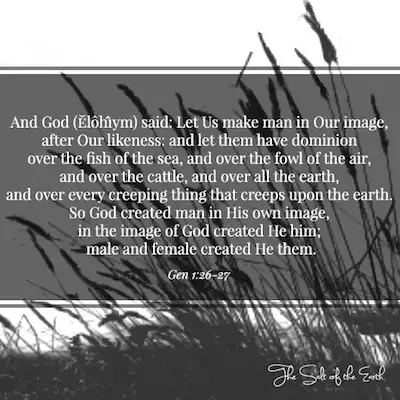
Kui jumal; El-Elohim lõi inimese oma näo järgi, mees tehti täiuslikuks. Kuni inimene otsustas minna oma teed ja mässata Jumala sõnade ja patu vastu.
Vaim inimeses suri ja inimesest sai elav hing, kes teadsid head ja kurja.
Loeme Jumala ja Abel, Eenok, Noa, Aabraham, Iisak, Jacob, Joosep, jne.
Nad kõik kõndisid koos Jumalaga Tema tahte järgi, kuigi Jumal polnud neile veel oma seadust andnud. Kuid nad kuulasid Tema sõnu ja uskusid Tema sõnu ning astusid sisse kuulekus Tema sõnadele.
Kuid, loeme ka Kaini kohta, Eesau, jumala pojad, the people that lived in the time of Noah’, elanikud Soodoma ja Gomorra, jne. Nad kõik elasid oma elu tahte järgi, himud, ja nende liha soovid Jumala sõnadele sõnakuulmatuse tõttu.
Jumal andis oma seaduse
We read about God’s people that lived in Egypt under the oppression of Pharaoh for 400 years and how God saved them. God heard their cry and chose Moses as His representative to redeem His people out of Egypt and from the oppression of Pharaoh.
Kui Jumal lunastas oma rahva oma käe läbi ja juhtis nad kõrbe, Jumal ilmutas end kõigi märkide ja imede kaudu.
God wanted a relationship with His people. Ta tahtis olla nende Jumal ja et nad oleksid Tema inimesed. And so God gave them the Law that revealed His will concerning their lives.
Jaoks 400 aastaid, nad elasid vaarao tahte järgi ja egiptlase järgi kultuur, käitumine, ja rituaale ja kummardatud ebajumalaid.
Nad olid rüvetatud ja seepärast oli aeg, et Jumala rahvas oleks puhastatud kõigest ülekohtust ja panevad oma vana elu maha.
The only way to do that was to renew their mind with God’s will because the mind determined their actions. Läbi Õiguse ja elu seadus, God made His will known to His people and sin was revealed.
Seadus ei esindanud mitte ainult Jumala tahet, vaid ka Jumala olemust, õigsus, ja pühadus.
The holy law of God brought light in the darkness and gave life to those that would submit to the Law (jumala tahet) ja järgige Seadust.
The law revealed the truth and exposed every sin that leads to death. Sest Jumal ei tahtnud, et keegi Tema rahvast hukkuks. By keeping the law and all the precepts and ordinances that belonged to the law, Tema rahvas oleks õnnistatud, salvestatud, ja omada elu. But every person that belonged to His people had a choice to obey the law of God or not.
People decided to obey the Law or disobey the Law
Kogu selle dispensatsiooni aja, me näeme, et Jumala rahvas oli teatud aja Jumalale pühendunud ja pöördus siis Temast eemale. See on olemus vana mees that walks after the flesh: devoted to God, turning away from God, crying to God for help, meeleparandus, devoting to God, turning away from God, jne.
Every time God’s people got into trouble by leaving His law and adopting the ulture, toll, and behavior of pagan countries, nad hüüdsid Jumala poole ja paranenud.
Siis jumal, Who is faithful and full of mercy, sent His word (through an angel or His prophet(s)) ja päästis nad.
But it didn’t take long before His people rebelled again and became disobedient to the law and rejected God. Aga mis paljastas patu Tema rahva elus? Jumala seadus paljastas lihaliku inimese patu ja usust taganemise.
Seaduse järgi tunnistamine patus
Kui rahva ees loeti Jumala seadust, Jumala pühadus sai nähtavaks ja patt ilmutati neile. The law was their teacher and showed them how far they were driven away from God and His words. Siis oli Tema inimestel valida meelt parandama või mitte.
Ilma Jumala seaduseta, mis esindab õiguse ja elu seadust, nad ei teadnud tõsiasjast, et nende elu oli pattu täis. Tema rahvas oli seaduse tagasi lükanud, jumala sõnad, ja elasid nagu kõik teised rahvad, liha himude ja himude järgi.
They went their own way and did their own will and were led by their flesh instead of the Word of God.
They took strange women from pagan nations, nad rikkusid abielu, ja ebajumalakummardamine, seal oli seksuaalne ebapuhtus ja nad lubasid jäledused Issanda kojas.
But as soon as the law of Moses appeared and was read, patt ilmutati ja mees mõisteti patus süüdi. Without the law of Moses that came from God and represented His will, puudus teadlikkus patust.
Veendumus patus Jeesuse Kristuse evangeeliumi ajajärgul
Teises dispensatsioonis, me näeme Jeesuse Kristuse tulekut, Jumala Poeg, Tema lunastustöö, ja tema suhe Jumala rahvaga. Jesus is the Word that became flesh and lived among the people.
Jeesus oli Jumala poolt võitud Püha Vaimu ja väega. He went about doing good, tervendades kõik, keda kurat rõhus, sest Jumal oli temaga (Õigusaktid 10:38).
Jesus was the reflection of God and represented and brought the Kingdom of God, sealhulgas Jumala seadus (the law of of righteousness and life), maa peal.
Jesus lived according to the will of God and therefore He established and fulfilled the law. Jumala püha loomus elas Jeesuses ja Ta seadis Jumala rahvale nende pattude.
Veendumus patus Sõna kaudu
Jesus is the Light that shone in the darkness. He brought all the things that were hidden in darkness into the light. Valgus seadis inimesed silmitsi nende pattudega. The people of the house of Israel that heard His words and believed and were convicted in their hearts of their sins repented. Nad ristiti vees ja eemaldasid oma elust patud ja järgis Jeesust.
But the people that were proud and rebellious in their hearts and had the devil as father were not willing to repent.
Nemad hülgas Jeesuse Kristuse; Sõna ja jäi elama patus. Nad vihkasid Jeesust, sest Jeesus tunnistas nende kurjadest tegudest.
Maailm ei saa sind vihata (vana mees) kuna sa oled osa sellest), aga see vihkab Mind (uus Püha Vaimuga täidetud mees) sest ma mõistan selle hukka ja tunnistan, et tema teod on kurjad (John 7:7)
Kui ma poleks tulnud ja nendega rääkinud, neil polnud pattu olnud: kuid nüüd ei ole neil oma pattu varju. Kes mind vihkab, see vihkab ka minu Isa. Kui ma poleks nende seas teinud tegusid, mida keegi teine pole teinud, neil polnud pattu olnud: aga nüüd on nad mõlemad näinud ja vihkanud nii mind kui ka mu Isa. (John 15:22-24)
The confrontation with the living Word, Kes esindab Jumala õigust ja pühadust, paljastas patu inimestes. The living Word convicted the people of sin.
Veendumus patus Püha Vaimu evangeeliumi ajajärgul
Kolmandal dispensatsioonil, näeme uue loodu sündi ja suhet Püha Vaimuga. What the devil destroyed in the Eedeni aed was restored by Jesus Christ and His blood. Jeesus kehtestas Seaduse ja tegeles inimese patuprobleemiga.
Tema surma ja surnuist ülestõusmise ning Püha Vaimu tulemise kaudu, a Uued loomingud sündisid.
Through repentance and regeneration in Christ, vana mehe liha suri ja vaim tõusis surnuist üles Püha Vaimu väega.
Uus mees sündis vesi and Spirit and was no longer a son of the devil. But the new creation had become a son of God.
The new creation was reconciled in Jesus Christ with the Father and received His Holy Spirit.
The new creations didn’t belong to the world but to the Kingdom of God.
The Holy Spirit Who bears witness of Jesus Christ; sõna, and represents the Kingdom of God, ning õiguse ja elu seadus, lives inside the new creation. Just like God prophesied:
Pärast neid päevi, ütleb Issand, Ma panen oma seaduse nende sisemusse, ja kirjutage see oma südamesse; ja saab olema nende Jumal, ja nad on Minu rahvas
Jeremiah 31:33
The new creation submits to the Father, Word, and Spirit and does the will of God
God’s will and His nature live in the heart of the new creation through the abiding of the Holy Spirit.
The old evil nature of the devil that is present in the flesh doesn’t exist anymore. The flesh is crucified in Christ. Nüüd, Jumala püha loomus elab uue loodu sees.
Kui uus loodu kõnnib Vaimu järel, he shall submit himself to the Word and the Holy Spirit and the will of the Father and do the will of God. Seetõttu peab uus looming kehtestada seadus (Roomlased 3:31).
Veendumus patus Püha Vaimu poolt
Jeesus andis tunnistust Pühast Vaimust ja ütles, et Püha Vaim noomib (süüdimõistetud, muljumised, manitseb, paljastab, noomib) patumaailm, ja õigusest, ja kohtuotsusest (John 16:8-10)
Püha Vaim esindab Jumala tahet ja mõistab süüdi inimeste pattudes. Just like Jesus convicted the sins of the people and called the people to repentance and to put away sin. Ja just nagu Jumal mõistis süüdi inimeste pattudes, seaduse järgi ja kutsus oma rahvast selleks meeleparandus ja pattu ära panema.
Jumal, Jeesus, ja Püha Vaim on üks. Seetõttu, They have the same nature and the same will. Nad ei tohi kunagi üksteisele vastuollu minna!
Püha Vaim on tõe Vaim ja paljastab kõik kuradi valed. Seetõttu kõik, mis juhtub pimeduses, Ta toob valguse kätte.
He confronts people with their sinful state. He reveals to them their evil works from God’s point of view instead of man’s point of view.
Sellepärast vajame Püha Vaimu. He alone will convict the person of sin and shows him his defiled sinful nature.
Ilma patus veendumuseta, inimene ei saa meelt parandada ja andma oma elu ja jätke ära tema patud. Seda seetõttu, et inimene ei ole oma pattudest teadlik.
Inimene ei näe vajadust oma liha maha panna ja vaimus uuesti sündida. He shall not consider the works of the flesh as evil. Therefore he shall never put off the carnal works of the flesh. The person will only do that if God reveals to him his spiritual state.
The goodness of God and conviction of sin bring man to repentance
Jumal ei taha, et keegi hukkuks. Sellepärast, Tema headuse pärast, Ta andis oma seaduse, Tema Poeg, ja Tema Püha Vaimu. Nii et maailma patud, mis on peidetud pimedusse ja on peidetud vanainimese loomulike silmade eest, paljastatakse ja inimesel on võimalus meelt parandada, eemalda ta patud, olla päästetud, ja saada uueks looduks Jeesuses Kristuses.
'Ole maa sool’