He aha te oma tae? Ko te oma tae he reihi peita, i whakaturia i roto i 2012 a kua angitu i te ao katoa. Ia tau, kua whakaritea te oma tae ki nga taone nui katoa o te ao. What is the purpose of the color run? The purpose of the color run is to bring professional and amateur runners together and to promote a healthy lifestyle, fun, and happiness. If you want to participate in the color run, you have to buy a ticket. A part of the profit will be donated to charity organizations. When you look at these aspects of the color run, it all seems fine and harmless. But what isn’t harmless, is what actually happens during the color run. During the color run, color powders are thrown over the participants, who are clothed in white. Why are color powders used during the color run? He aha te kaupapa me te tikanga o nga paura tae? He aha te tupu i roto i te ao wairua, ina peitahia nga kaiuru ki te paura tae? Me uru nga Karaitiana ki te oma tae? He kore kino te tae, kaore ranei? Ki te kore, he aha te ahua kino o te tae? He aha te kino wairua o te oma tae?
He aha te mea i whakaaweawe mo te oma tae?
Ko te kaiwhakaara o te oma tae i whakaaweahia i roto i etahi atu e te Hakari karakia a Hindu (huaina hoki ko Holi Pagwah, Ranwali Holi, etc).
Ko te hakari Holi i te tuatahi i whakanuia i Inia me Nepal. Engari i enei ra ko tenei hakari (hakari) ka whakanuia i nga whenua maha o te ao. Ko te Holi ka kiia ko te hakari o nga tae, ko te hakari tiritiri aroha ranei. Ehara i te mea ko te oma tae anake te huihuinga, he mea faauruhia e te hakari Tapu. He maha atu nga huihuinga, e faauruhia ana e taua mea ano.
Many events have copied and applied the use of color powders to their own events. Even churches use color powders during events to attract young people.
The Holi feast is a two-day festival and is a combination of a spring feast and a new years feast. The Holi feast celebrates the victory of good over evil.
The history of Holi
There are many versions of the Holi feast, but I will only briefly summarize the main version. Therefore it could be, that some details may be lacking, but the main purpose of this article is to look at the use and meaning of the color powders.
Holi derives from ‘Holika’, the name of the evil sister of the demonic king Hiranyakashipu. Hiranyakashipu honored the god Brahma. His son Prahlada didn’t agree with his father and stayed loyal to the god Vishnu, even when he was being punished and locked up by his father.
Prahlada’s aunt Holika, thought of a plan to get rid of her nephew. She suggested making a sacrifice to his god Vishnu, by climbing together on a pyre. Heoi ano she wore a cloak, that would prevent her from being burned. But when the fire flared up, the god Vishnu transferred the cloak to Prahlada. Therefore Holika died and Prahlada survived. Prahlada’s father became furious. The god Vishnu came in the appearance of god Narashimha and killed king Hiranyakashipu.
On the day of full moon Holika Dahan is celebrated
On the day of full moon, the feast Holika Dahan is celebrated. During Holika Dahan, people make a bonfire to destroy evil. But before they make the bonfire, ka mahia nga karakia me nga karakia, kia ngaro ai te kino o roto. I te ahi ahi, ka waiata, ka kanikani te iwi. Te ahi ahi, i runga i a Holika Dahan, he whakamaharatanga, he tohu i te wikitoria o te pai ki te kino.
I te ra i muri i te marama Ka whakanuia a Rangwali Holi
Te ra i muri i te marama, Rangwali Holi (Holi Pagwah, Hakari tapu, Whakawa hakari, etc.) ka whakanuia. Ka timata a Holi i muri i te whakamahanatanga o nga pungarehu o te Holika a i muri i te mahi a te Pandit o te hapori o te motu i te karakia o te ata i te Holika. I roto i tenei ratonga, i muri i te inoi, ka korero te Pandit i nga manaakitanga mo te harikoa me te oranga o te hapori i te tau hou. Kua whakakakahuhia te hunga i tae atu ki te taera, he wero tuatahi ki te rae, o nga pungarehu o te Holika. Ko tenei pungarehu ka kiia he tapu, he tohu mo te atua Shiva.
I muri i tenei hui, ka timata te hakari o nga tae. I tenei hakari o nga tae, ka whaia e te iwi tetahi ki tetahi ka peita tetahi ki tetahi ki te paura tae me te (kakara) wai i roto i nga pu rehu, e arai i nga rewera kino.
Ko etahi atu putanga o te ariā o te whakamahi i nga paura tae me nga pu rehu i ahu mai i te atua Krishna. Ko tetahi putanga ko te atua Krishna i whakanui i a Holi me ona hoa, ma te whakamahi i nga paura tae me nga pu rehu. Ma te wai ka pai ake te piri o nga paura. Ko tetahi atu putanga kei runga i te korero aroha o te atua Krishna. He ahakoa, ma nga tae ka pare atu i nga rewera kino, ka koa nga atua.
I te wa o Holi, he roopu, e whakatangi ana i nga puoro me etahi atu taonga puoro. Kei te waiata, kei te kanikani mai i tetahi waahi ki tetahi atu. Kei te whakanui te iwi, kanikani, waiata, inu (te inu waipiro me te inu kore waipiro) me te kai, tahi me te whanau, hoa, me nga hoa mohio, tae noa ki te po.
Te kino wairua o te oma tae me te tikanga o paura tae
He mea tino nui nga tae ki roto i te karakia Hindu, a, he tikanga ano to ia paura tae. Ia au i te haapaoraa Hindu, e hono ana nga tae ki o ratou atua.
Ina mau koe i tetahi tae, peita ranei koe ki tetahi paura tae, e koropiko ana koe ki nga atua ka uru koe (here) koe ki enei atua.
Ko ia paura tae e whakamahia ana i roto i te oma tae e tohu ana i etahi kaha (mana ora). Na reira ma te whakamahi i nga paura tae, ka taea e koe te hanga i to ake huru.
He aha nga kaiuru o te oma tae me mau kakahu ma?
E kore ahau e haere ki nga korero mo te tikanga o ia tae i whakamahia i roto i te oma tae, engari ka titiro ahau ki te tae ma, me mau e ia kaiuru o te oma tae.
Ia au i te haapaoraa Hindu, ko te tae ma e tohu ana i te ma, rangimarie, matauranga, me te whakakahore ia ia ano.
Ka whakamahia ano te tae ma i te wa e tahu ana me te tangi. Ka whakamahia e nga tohunga hei tohu mo te whanautanga wairua, he pera ano te mahi i te wa o te oma tae. I runga i enei korero, ehara i te mea miharo, he aha te take me mau ma nga kaiuru o te oma tae.
Ko nga kaiuru o te oma tae ka iriiria ki nga tae
Ko te whakaritenga tuarua o te oma tae, me hipoki nga kaiuru ki nga tae i te mutunga o te whakataetae. No reira i te wa o te whakataetae, ka iriiria ratou ki nga tae. Inaianei me titiro tatou ki te kupu 'iriiringa':
Ko te kupu Ingarihi 'baptism' he mea whakamaori mai i te kupu Kariki 'baptisma' a ko te tikanga o te rumaki, ruku, me te putanga. ‘Iiriiri’ i ahu mai i te 'baptõ', ko te tikanga 'to ruku'.
Ki te titiro tatou ki te kupu 'ki te iriiri' he ahua auau tonu o te 'baptō'., “tou” e ua faaohipahia i rotopu i te mau Heleni no te faataa i te peniraa o te hoê ahu aore ra te hutiraa pape na roto i te tuuraa i te hoê farii i roto i te tahi atu., etc.
Ka whakaaro pea etahi o koutou, “he korero porangi tera! He aha te koretake!” Akene kua uru koe ki te oma tae, ki te hakari Holi, ki tetahi atu huihuinga paura tae ranei kaore koe i rongo i tetahi mea. I oma noa koe, kanikani, he pai ki a koe, he pai hoki te wa.
Eaha te tupu i roto i te bapetizoraa i roto i te ao varua?
Kaati….Me titiro ki te iriiringa Karaitiana, mena he Karaitiana koe, kia titiro tatou ki to te bapetizoraa i roto i te pape. I a koe e iriiria ana, kaore koe i rongo i tetahi mea, haunga te wai. I haere koe ki roto i te wai (rumakina), i raro i te wai (kua rukuhia), ka puta mai i te wai (i puta).
I roto i te ao maori (ao kitea, te rangatiratanga o nga whakaaro), ko koe anake i kite, i rongo i te wai me o hinengaro. Engari i te ao wairua, kaore koe i rongo i te mea i tupu.
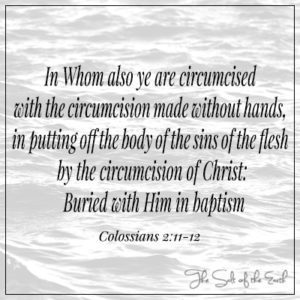
I a koe e iriiria ana, i tohu koe i a koe ki te tanumanga me te aranga o Ihu Karaiti me te hono atu koe ki a Ihu.
I mate koe ki a koe ano; o koutou kikokiko, a tanumia ana o koutou kikokiko ki te iriiringa. Ka rite hoki ki a te Karaiti i whakaarahia ake nei i te hunga mate, kua ara tou wairua i te hunga mate. Tera tei tupu i roto i te ao varua.
Inaianei kei te ao maori, kihai koe i mahara kua mate to kikokiko. Kaore ano hoki koe i mate, because you got up and walked out of the water.
It is the same with the color run. Instead of being baptized in water and being connected to Jesus Christ, you are baptized in colors and be connected to evil powers.
You won’t feel a thing in the flesh. Engari i te ao wairua, you have bound yourself to these demonic powers (atua).
I te wā o te 3.1 miles color run you will be baptized with a certain color powder at each station. At the finish of the color run, everyone will be baptized with all kinds of colors. After this baptism, there will be a great color feast.
Na te ara, the color run will be slightly different this year, because the color run celebrates its 5th anniversary. It is called “The tropical world tour’, which means that during the color run there will be tropical island music. Ehara i te mea ko tērā anake! While you are baptized with color powders, ka tauhiuhia ano koe ki nga wai kakara, e faaohipa-atoa-hia i roto i te mau peu etene no te haamori i te mau atua.
Me uru nga Karaitiana ki te oma tae?
Kei kore koe e uru ki te hunga whakaponokore: He aha hoki te tika ki te tika, he kino? he aha te marama ki te pouri? A ko nga mea i piri a te Karaiti me te koretake? he aha hoki te waahanga e whakapono ana ki a ia ano he mahi atua? He aha hoki te kawenata i te whare o te Atua ki nga whakapakoko? ko koutou hoki te whare o te Atua ora; Ka rite ki ta te Atua i korero, Ka noho ahau ki roto, ka haere i roto; Ko ahau hoki hei Atua mo ratou, a ko ratou hei iwi moku. Na, kia puta mai i roto ia ratou, kia wehea koutou, e ai ta Ihowa, Kaua hoki e pa atu ki te mea poke; a ka riro ahau ia koe, A ka waiho hei matua ki a koe, a ka waiho koutou hei tama hei tamahine ki ahau, e ai ta te Ariki Kaha Rawa (2 Koriniti 6:14)
Kua whakawhiwhia ki nga tangata katoa he mana herekore, no reira ka ahei te katoa ki te whiriwhiri ma ratou ano. Engari he aha te ahua o te marama ki te pouri?
Kia aroha mai, e rave rahi mau Kerisetiano i te pae tino e aita i fanau-faahou-hia. No reira ka noho tonu ratou i runga i ta te kikokiko, hei utu mo te noho i runga i te Wairua. Ua poiri ratou i roto i to ratou feruriraa e aita ratou i ite i te mau varua e aita ratou e ite ra i te tahi fifi pae varua.
Ki te tohutoro ki te oma tae, e kore ratou e kite i te kino wairua o te oma tae.
Kaore ratou e kite i nga mana o te karakia Hindu me nga mea e tupu ana i roto i te ao wairua ka toua (iriiria) i roto i nga paura tae.
Kaore ratou e kite i te pono wairua e hono ana ratou ki nga mana rewera. Kaore ratou e kite i te kino o te rere o te tae, engari ki ta ratou whakaaro ko te oma tae he huihuinga oma aroha harakore, me te ngahau nui, hari, kotahitanga, etc.
Engari ka uru koe, e kore koe e rite. Ka whakaatu koe i roto i nga kakahu ma, ka hoki ki te kainga kua tae ki nga momo tae katoa. Ko o kakahu ma kua pania ki te paura tae he tohu i roto i te taiao (e kitea ana) rangatiratanga, nga mea kua puta i roto i te wairua (kore kitea) rangatiratanga.
Ko nga tae e tohu ana i nga atua, nga kaha (mana ora), te wahi i piri koe ki a koe. Ko enei mana rewera, kei muri i enei atua, ka kitea i roto i to oranga. Kaore pea pea, engari ka mutu, ka ratou. Ko nga whakaaturanga ka rite tonu ka tiimata me te pouri, ārai hapū, te manawanui, (haere noa) pukuriri, māharahara, mataku, ohoroa, nga moemoeā, etc.
Christians should not become partakers of pagan rituals
Ka rite ki tewhanau hou Karaitiana, you should not be partaker of pagan rituals nor copy them. That the world is inspired by pagan religions and copies pagan rituals is up to the world. But the church should not follow the world, copy the world and walk like the world. The church should abstain from these pagan practices, instead of becoming a partaker of pagan practices.
You have been separated from the world through Jesus Christ and are no longer joined to the world (Panuitia hoki: ‘He ngawari te ioka a Ihu, he mama tana pikaunga?').
Ko te tikanga tenei, that you don’t belong to the world anymore, because you have been transferred from the kingdom of darkness (te ao) ki te rangatiratanga o te Atua. If you are transferred in the spiritual realm, your actions should follow up your spiritual transfer and your restored position in Christ.
Engari ko te raru nui, e hiahia ana te hahi ki te noho kikokiko me te kore e pai ki te poroporoaki ki te kikokiko.
E hiahia ana te hahi kia noho rite ki te ao. No reira, ka kape te hahi i te ao me te Karaitiana i nga mea o tenei ao kia pai ai, kia pai ai.
Engari i tuhia ki nga korero o mua, na roto i te faaauraa i te mau mea o teie nei ao e na roto i te tuuraa i te parau ‘kerisetiano’ i mua i te tahi mea, e kore e pai, e pai ana ki te Atua (Panuitia hoki: ‘Ko te ranu Karaitiana')
Te bapetizoraa (toua) i roto i nga tae kahore he mahi ki te rongopai o Ihu Karaiti me te rangatiratanga o te Atua. Ko te tae anake e hono ana te Karaitiana ko te toto o Ihu Karaiti, o te tamâ i te mau hara e te mau ino atoa.
Ko te haere o te tangata kikokiko
Ina tatou hoki ki te Kawenata Tawhito a titiro ki te iwi o te Atua (he tangata no te kikokiko, i whai i ta te kikokiko), tai'o tatou i te taua mea i runga i a ano. Ua faaau te nunaa o te Atua i te mau nunaa Etene e ua farii i ta ratou mau haapaoraa etene, nga tikanga, me nga atua. Na a ratou mahi, kua tutu te iwi o te Atua ki te Atua Kaha Rawa. Ahakoa te meka, he maha nga wa i whakatupato ai te Atua ia ratou, i haere ratou i to ratou ake ara me te hanga i a ratou tikanga. Kaore ratou i mau Ta'na faaueraa kia kaua he atua ke atu ki tona aroaro:
Aua etahi atua ke atu mou ki mua i ahau (Exodus 20:3).
Kia tupato ano ki nga mea katoa kua korerotia nei e ahau ki a koutou: kaua hoki e whakahuatia te ingoa o nga atua ke, kei rangona hoki ki tou mangai (Exodus 23:13)
Kei koropiko koe ki o ratou atua, kaua hoki e mahi ki a ratou, kaua ano e mahi i runga i a ratou mahi: engari me turaki rawa e koe, ka tino wawahia a ratou whakaahua (Exodus 23:24)
Kaua e whakaritea he kawenata ki a ratou, me o ratou atua ranei (Exodus 23:32-33)
Kia tupato ki a koutou ano, that your heart be not deceived, and you turn aside, and serve other gods, koropiko ki a ratou (Tiuteronomi 11:16)
The majority of the people of God were stubborn and went their own way until they got themselves into deep trouble and saw no way out. In those times of trouble, they called upon the Lord God. Na te Atua, in His great love and mercy, sent His Word and redeemed them time and time again.
Na ka tangi ratou ki a Ihowa i to ratou raru, and He saveth them out of their distresses. He sent his word, a whakaorangia ana ratou, a whakaorangia ake ratou io ratou ngaromanga (Waiata 107:19-20).
Te mohiotanga o nga wairua
As long as the body of Christ remains carnal and keeps walking after the flesh, which means being led by the senses, whakaaro, karekau, kare-a-roto, opinions etc., the church shall not discern what is good and what is evil. I am not talking about natural things; i.e. mena ka tahae koe, kaua ranei e tahae na te mea me marama tena. Ahakoa te tangata whakaponokore e mohio ana ehara te tahae i te pai, ka whiua koe ki te tahae koe. Kaore koe e hiahia ki te Wairua Tapu mo tera. Engari ka haere koe i muri i te Wairua, ka kite koe i nga wairua me te ao wairua, a ka kite he aha nga mea ka puta i muri i te ao maori(ao kitea).
Tuhinga o mua, ki te mea he whakaponokore koe, he whakaponokore ranei i te kikokiko, ka kitea e koe nga mea, kua tuhia ki runga ake nei, i runga i te whakanui me tetahi korero koretake nui. Kare koe e kite i te kino o te oma tae me te whai waahi ki te oma tae.
Engari ki te hunga whakapono, e haere nei i runga i te Wairua, he kore noa tenei, engari mooni. Ka mohio ratou ki nga mahi a te rewera; nga mahi o te pouri.
Ua ite ratou i te ohipa e tupu ra i roto i te ao varua e no reira eita ratou e apiti atu i roto i te mau ohipa o te pouri, e haapae râ ratou i te reira.
Eita ratou e pûpû i to ratou ora no te mau atua etene (Kaiani) me te whai wahi ki nga tikanga etene, engari ka whakakitea, ka riria, mai ta Iesu i rave.
Whakaritea nga mea e manakohia ana e te Ariki. Kaua hoki e uru ki nga mahi huakore o te pouri, engari engari riria e ratou (Epeha 5:10)
Na te mau mea o teie nei ao e arata‘i ia outou i roto i te faatîtîraa
A no te mea he tama koutou, Kua tonoa mai e te Atua te Wairua o tana Tama ki roto ki o koutou ngakau, karanga, Pera, Matua. Na reira ano koe kahore he pononga, engari he tama; a ki te tama, Hei reira te rangatira o te Atua na te Karaiti. Heoi ano, i te mea kahore koutou i mohio ki te Atua, he mahi na koutou ki te hunga ehara nei i te atua tupu. Engari inaianei, i muri i to mohiotanga ki te Atua, engari e mohiotia ana e te Atua, he pehea ta koutou tahuri ano ki nga mea timatanga ngoikore, rawakore, e hiahia ana ano koutou kia waiho hei taurekareka (Karatia 4:6-9)
Ki te tino mohio koe ki a Ihu Karaiti, he aha koe i mawehe atu ai i a ia?; te Kupu, ka uru ki nga mea o te ao, e arata'i ia outou i roto i te faatîtîraa? He tino marama te Paipera me te whakatupato ia koe, kia kaua e hoki ki to ara i haere ai koe, kiano koutou i whanau hou i te kikokiko, a haere ana i runga i ta te kikokiko i roto i te pouri. Te haapii nei râ te Bibilia ia outou ia pee i te Varua, i te marama.
I roto i a te Karaiti, he kakahu rinena ma koe
He tokomaha e purea, ka ma, ka whakamatau; ko te hunga kino ia ka mahi i te he: e kore ano te hunga kino e matau; ko te hunga whakaaro nui ia ka matau (DANIELE 12:10)
Kia ma o kakahu i nga wa katoa; kaua hoki e hapa he hinu mo tou mahunga (Te tangi 9:8)
Kua hokona koe e nga toto o Ihu Karaiti. Na ona toto koe i tapu, i tika. Mai i te wa i riro ai koe he hanga hou, kua whakakakahuria koe e ia ki te kakahu rinena ma, e tohu ana i te tika. Engari ma te rewera e whakamatau nga mea katoa hei whakapoke i to kakahu ma.
E tamata te diabolo i te faahema e te faahema ia outou i roto i te tino e e haapapu e e vai noa outou i te pae tino e e pee noa i ta te tino., kua poke o koutou kakahu i nga mahi a te kikokiko.
“Ko ia te wikitoria, me whakakakahuria ano ratou ki te kakahu ma”
Tena ano kei a koe etahi ingoa ouou nei i Harariha, kahore nei i poke o ratou kakahu; a ka haere tahi ratou me ahau, he ma nga kakahu: he pai hoki ratou. Ko ia te wikitoria, me whakakakahuria ano ratou ki te kakahu ma; e kore ano hoki e horoia atu e ahau tona ingoa i te pukapuka o te ora, engari ka whakaae ahau ki tona ingoa ki te aroaro o toku Matua, ki te aroaro ano o ana anahera (Whakakitenga 3:4-5)
And one of the elders answered, ka mea mai ki ahau, What are these which are arrayed in white robes? and whence came they? And I said unto him, E te rangatira, thou knowest. And he said to me, These are they which came out of great tribulation, and have washed their robes, and made them white in the blood of the Lamb (Whakakitenga 7:13-14)
Let us be glad and rejoice, and give honour to him:for the marriage of the Lamb is come, and his wife hath made herself ready. And to her was granted that she should be arrayed in fine linen, clean and white:for the fine linen is the righteousness of saints (Whakakitenga 19:7-8)
No reira, take heed that you stay faithful to Jesus Christ and that your white garments remain white and not be defiled by all kinds of colors.
“Hei tote mo te whenua”
Mātāpuna: Wikipedia, Vines dictionary, color run.com