E kore te Atua e hiahia kia mate tetahi. No reira te Atua i horo'a ai i te mau mea atoa na te taata no te faatupu i To'na hinaaro e no te faaora i te taata i te pohe. Heoi ano, kua whakawhiwhia te tangata ki te whai mana ki te whakatau i a raatau ake whiringa i roto i te ao. They decide which path to go: the broad way of the world that leads to destruction or the narrow way of life that leads to eternal life. I roto i te Paipera, we see the great love of God that doesn’t want anyone to perish. No reira i roto i te Bibilia, ua pii te Atua i te taata ia tatarahapa. Engari he aha te mea i tahuri ai te iwi ki te ripeneta? The revelation and conviction of sin brought people to repentance. How else can a person repent if a person doesn’t see his sinful state and consider his works evil? Let’s look at the conviction of sin in the three dispensations of the Bible and how sin was revealed in each dispensation.
Te ti'aturiraa i te hara i roto i te tau tuuraa a te Atua
Ka rite ki te korero i roto i a Tuhinga o mua, ka taea e tatou te wehewehe i te Paipera ki nga wahanga e toru: te tau tuuraa a te Atua te Metua, Ko te Tama a Ihu Karaiti (te kupu ora), me te Wairua Tapu. Heoi ano, i roto i na tau tuuraa e toru, ka kite tatou i te mahi tahi tonu i waenganui i te Atua Kaha Rawa, Ihu; te Word, me te Wairua Tapu.
I roto i te tau tuuraa a te Atua, kite tatou i te hononga i waenganui i te Atua me tana iwi whiriwhiri i muri i te kikokiko; Iharaira (i whanau i te uri o Hakopa).
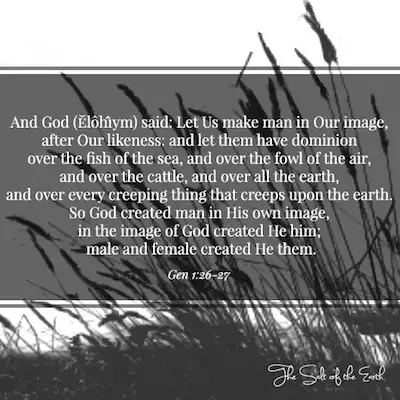
Ina te Atua; I hanga e te Atua te tangata kia rite ki tona ahua, i tino tika te tangata. Tae noa ki te whakaaro o te tangata ki te haere i tana ake huarahi me te tutu ki nga kupu a te Atua me te hara.
Ka mate te Wairua i te tangata, ka noho te tangata hei wairua ora, e mohio ana ki te pai, ki te kino.
Ka panui tatou mo te whanaungatanga i waenganui i te Atua me Abel, Enoka, Noa, A Aperahama, I a Ihaka, Mohoaotanga, Na Hohepa, etc.
I haere katoa ratou me te Atua i runga i tana i pai ai, i te mea kahore ano i hoatu e te Atua tana ture ki a ratou. Ua faaroo râ ratou i Ta’na mau parau e ua ti‘aturi i Ta’na mau parau e ua haere i roto te haapa'o ki ana kupu.
Heoi ano, te tai'o atoa nei tatou no nia ia Kaina, ko Ehau, Nga tama a te Atua, the people that lived in the time of Noah’, nga tangata o Ko Horoma me Komora, etc. I noho katoa ratou i o raatau ake oranga i muri i te hiahia, hiahia, me nga hiahia o te kikokiko i runga i te tutu ki nga kupu a te Atua.
Na te Atua i homai tana ture
We read about God’s people that lived in Egypt under the oppression of Pharaoh for 400 years and how God saved them. God heard their cry and chose Moses as His representative to redeem His people out of Egypt and from the oppression of Pharaoh.
I te wa i hokona ai e te Atua tana iwi ki tona ringa, a arahina ana ratou ki te koraha, Na te Atua i whakaatu i a ia ano i roto i nga tohu me nga mea whakamiharo katoa.
God wanted a relationship with His people. Ua hinaaro oia ia riro ei Atua no ratou e ia riro ratou ei nunaa no ’na. And so God gave them the Law that revealed His will concerning their lives.
Mō 400 tau, i noho ratou i runga i ta Parao i pai ai, i ta te Ihipiana ano tikanga, whanonga, me nga karakia me te karakia whakapakoko.
I poke ratou a na reira i tae ki te wa, e ia tamâhia te nunaa o te Atua i te mau parau-tia ore atoa e whakarerea to ratou oranga tawhito.
The only way to do that was to renew their mind with God’s will because the mind determined their actions. Na roto i te Ture o te tika me te ora, God made His will known to His people and sin was revealed.
E ere noa te ture i te hinaaro o te Atua, i te huru atoa râ o te Atua, whakaha, me te tapu.
The holy law of God brought light in the darkness and gave life to those that would submit to the Law (te hinaaro o te Atua) kia mau ki te Ture.
The law revealed the truth and exposed every sin that leads to death. No te mea kare te Atua i pai kia mate tetahi o tana iwi. By keeping the law and all the precepts and ordinances that belonged to the law, Ka manaakitia tana iwi, kua ora, a kia ora. But every person that belonged to His people had a choice to obey the law of God or not.
People decided to obey the Law or disobey the Law
I roto i teie tau tuuraa, ka kite tatou i whakatapua te iwi o te Atua ki te Atua mo tetahi wa motuhake ka tahuri ke atu i a ia. Koira te ahua o te koroua that walks after the flesh: devoted to God, turning away from God, crying to God for help, ripeneta, devoting to God, turning away from God, etc.
Every time God’s people got into trouble by leaving His law and adopting the ulture, tikanga, and behavior of pagan countries, ka karanga ratou ki te Atua, a ripeneta.
Katahi te Atua, Who is faithful and full of mercy, sent His word (through an angel or His prophet(s)) a whakaorangia ratou.
But it didn’t take long before His people rebelled again and became disobedient to the law and rejected God. Engari he aha te mea i kitea ai te hara i roto i te oranga o tana iwi? Ua faaite te ture a te Atua i te hara e te taivaraa o te taata tino.
Ko te hara i runga i te ture
I te wa i korerotia ai te ture a te Atua ki te aroaro o te iwi, ka kitea te tapu o te Atua, ka whakakitea te hara ki a ratou. The law was their teacher and showed them how far they were driven away from God and His words. Katahi ka whiriwhiria e tana iwi ripeneta kāore rānei.
Te kore ture a te Atua, e tohu ana i te ture o te tika me te ora, kihai ratou i mohio kua ki tonu o ratou oranga i te hara. Kua paopao tana iwi ki te ture, Nga Kupu a te Atua, a noho ana i pera me era atu iwi katoa, i runga i nga hiahia o te kikokiko.
They went their own way and did their own will and were led by their flesh instead of the Word of God.
They took strange women from pagan nations, i puremu, me te karakia whakapakoko, he puremu, ka whakaae mea whakarihariha i roto i te whare o te Ariki.
But as soon as the law of Moses appeared and was read, ka whakakitea te hara, ka mau te tangata ki te hara. Without the law of Moses that came from God and represented His will, kahore he mohiotanga ki te hara.
Te iteraa i te hara i roto i te tau tuuraa a Iesu Mesia
I roto i te tau pitihana, kite tatou i te taenga mai o Ihu Karaiti, te Tama a te Atua, Tōna Tuhinga o mua, me Tona hononga ki te iwi o te Atua. Jesus is the Word that became flesh and lived among the people.
I whakawahia a Ihu e te Atua ki te Wairua Tapu me te kaha. He went about doing good, e whakaora ana i te hunga katoa i pehia e te rewera, i a ia hoki te Atua (Nga Mahi 10:38).
Jesus was the reflection of God and represented and brought the Kingdom of God, tae atu ki te ture a te Atua (the law of of righteousness and life), I te whenua.
Jesus lived according to the will of God and therefore He established and fulfilled the law. Ko te ahua tapu o te Atua i noho i roto i a Ihu, a ka pa ki te iwi o te Atua ki o ratou hara.
Ko te whakakitenga o te hara na te Kupu
Jesus is the Light that shone in the darkness. He brought all the things that were hidden in darkness into the light. Na te Maramarama i aro ki nga tangata me o ratou hara. The people of the house of Israel that heard His words and believed and were convicted in their hearts of their sins repented. Ua bapetizohia ratou i roto i te pape e ua tatara i te mau hara i roto i to ratou oraraa e whai ia Ihu.
But the people that were proud and rebellious in their hearts and had the devil as father were not willing to repent.
Rātau i whakakahore ia Ihu Karaiti; te Kupu me te noho tonu i roto i te hara. Ua riri ratou ia Iesu no te mea ua faaite Iesu i ta ratou mau ohipa ino.
Kaore e kino te ao ki a koe (te koroua) i te mea ko koe tetahi wahi), engari e kino ana ki ahau (Tangata hou ki tonu i te Wairua Tapu) no te mea ka whakahe ahau, ka whakaatu hoki he kino ana mahi (Hone 7:7)
Mena kaore au i haere mai ki te korero ki a ratou, kahore ratou i hara: Tena ko tenei kahore o ratou ngakau i te hara. Ko te tangata e whakakino ana ki ahau, e whakakino ana hoki ki toku Matua. Mena kaore au i mahi i roto i a ratou nga mahi kaore i mahia e tetahi atu, kahore ratou i hara: Tena ko tenei kua kitea e ratou, kua kino ki ahau, e toku papa. (Hone 15:22-24)
The confrontation with the living Word, Ko wai e tohu ana i te tika me te tapu o te Atua, whakakitea te hara i roto i te tangata. The living Word convicted the people of sin.
Te ti'aturiraa i te hara i roto i te tuuraa a te Varua Maitai
I roto i te tuatoru o nga tau, ka kite tatou i te whanautanga o nga mea hanga hou me te hononga ki te Wairua Tapu. What the devil destroyed in the Tuhinga o mua was restored by Jesus Christ and His blood. Ua haamau Iesu i te Ture e ua faaafaro i te fifi o te hara a te taata.
Na roto i tona matenga me tona aranga mai i te hunga mate me te taenga mai o te Wairua Tapu, te Te Hangarau Hou i whanau mai.
Through repentance and regeneration in Christ, kua mate te kikokiko o te koroheke, kua ara ake te wairua i runga i te kaha o te Wairua Tapu.
I whanau mai te tangata hou wai and Spirit and was no longer a son of the devil. But the new creation had become a son of God.
The new creation was reconciled in Jesus Christ with the Father and received His Holy Spirit.
The new creations didn’t belong to the world but to the Kingdom of God.
The Holy Spirit Who bears witness of Jesus Christ; te Word, and represents the Kingdom of God, me te ture o te tika me te ora, lives inside the new creation. Just like God prophesied:
I muri i aua ra, e ai ta Ihowa, Ka whakatakotoria e ahau taku ture ki o ratou wahi, a tuhia ki roto ki o ratou ngakau; a ko ia hei Atua mo ratou, a ko ratou hei iwi moku
Heremaia 31:33
The new creation submits to the Father, Word, and Spirit and does the will of God
God’s will and His nature live in the heart of the new creation through the abiding of the Holy Spirit.
The old evil nature of the devil that is present in the flesh doesn’t exist anymore. The flesh is crucified in Christ. Inaianei, Ko te ahua tapu o te Atua kei roto i te hanganga hou.
A, no te haere te hanga hou i muri i te Wairua, he shall submit himself to the Word and the Holy Spirit and the will of the Father and do the will of God. Na reira ko te mea hanga hou whakapumautia te ture (Roma 3:31).
Ko te whakakitenga o te hara na te Wairua Tapu
I whakaatu a Ihu mo te Wairua Tapu, ka mea ko te Wairua Tapu te whakahe (whakaharahara, ngangau, whakatupato, whakakitenga, riria) te ao o te hara, Tuhinga o mua, Tuhinga o mua (Hone 16:8-10)
Ko te Wairua Tapu e tohu ana i te hiahia o te Atua me te whakaatu i nga hara o te tangata. Just like Jesus convicted the sins of the people and called the people to repentance and to put away sin. Ka rite ki ta te Atua i whakaharahara i nga hara o te tangata, na te ture ka karanga i tana iwi ki ripeneta ki te whakakore atu i te hara.
te Atua, Ihu, kotahi ano te Wairua Tapu. No reira, They have the same nature and the same will. Kaua rawa ratou e tautohetohe tetahi ki tetahi!
Ko te Wairua Tapu te Wairua o te pono me te whakaatu i nga teka katoa a te rewera. Na reira nga mea katoa e tupu ana i te pouri, Ka kawea mai e ia ki te marama.
He confronts people with their sinful state. He reveals to them their evil works from God’s point of view instead of man’s point of view.
Koinei te take e hiahia ana tatou ki te Wairua Tapu. He alone will convict the person of sin and shows him his defiled sinful nature.
Ma te kore he whakaponotanga o te hara, e kore e taea e te tangata te ripeneta me te tuku tona ora a whakarerea atu ona hara. No te mea kare te tangata e mohio ana ki ana hara.
Eita te taata e ite i te faufaaraa ia tuu i to ’na tino e ia fanau-faahou-hia i roto i te varua. He shall not consider the works of the flesh as evil. Therefore he shall never put off the carnal works of the flesh. The person will only do that if God reveals to him his spiritual state.
The goodness of God and conviction of sin bring man to repentance
E kore te Atua e hiahia kia mate tetahi. Koinei te take, no Tona pai, Ua horo'a Oia i Ta'na ture, Tana tama, me tona Wairua Tapu. Na nga hara o te ao, he mea huna ki te pouri, he mea huna mo nga kanohi maori o te koroheke, will be exposed and man has the opportunity to repent, remove his sins, kia ora, and become a new creation in Jesus Christ.
'Kia tote mo te whenua’