Jēzus runāja ar saviem mācekļiem par otra mierinātāja atnākšanu, Svētais Gars. Jēzus apsolīja saviem mācekļiem, ka viņš viņus neatstās bez mierinājuma, Jo otrs mierinātājs viņus mūžīgi paliktu. What else did Jesus say about the other Comforter and what did His coming to the earth mean for the lives of the believers and the world?
The coming of the other Comforter on the Day of Pentecost
Pēc glorious homecoming of the Lord Jesus Christ and the acceptance of His blood and eternal sacrifice and the coronation, the Father sent the other Comforter in the Name of Jesus to the earth. By sending the Holy Spirit, the Father poured out His Spirit upon all flesh.
The coming of the other Comforter, Svētais Gars, was the fulfillment of the words spoken by the prophets and the great Apostel and Author of our salvation, Jēzus Kristus. (a.o. Jesaja 44:3; Jeremiah 31:31-34; Ezekiel 36:25-27; 37:13-14; 39:28-29; Džoels 2:28-29, John 14:16-26; 15:26-27; 16:7-15; Tiesību aktu 2:17-18; ebreji 8:10; 10:16).
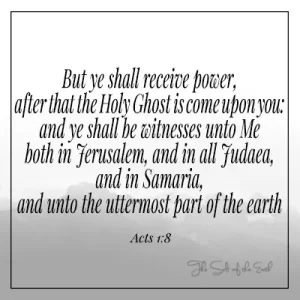
The Day of Pentecost was the beginning of a new era.
As God dwelled in His Son, ar Svēto Garu, God would dwell in all of His sons (tas attiecas gan uz vīriešiem, gan uz sievietēm) ar Svēto Garu. (a.o. John 14:10-21; Romieši 8:9-14; 1 korintieši 3:16; 1 John 4:13-14).
When the people of the house of Israel, who were gathered together in Jerusalem for the celebration of Pentecost, heard the words of Peter, who testified of Jesus the Christ, they believed his words and were convicted in their hearts and repented, were baptized, and received the other Comforter, Svētais Gars, from the Father (Tiesību aktu 2).
Tomēr, the promise of the other Comforter was not only meant for (the believers of) Israēla nams. God’s promise was meant for all people, both Jew and Greek, vīrietis un sieviete, who believe in Jesus Christ and become born again in Him..
It is the will of God that all people come to the knowledge of the truth and be saved
It was (un joprojām ir) the will of God that all people come to the knowledge of the truth and accept the sacrifice of His Son and His blood, and be born again in Him and receive the baptism with the Holy Spirit.
God revealed His will in a vision to Peter, who went in obedience to the Spirit and the tā Kunga balss to the Gentiles and preached the gospel to them and testified of Jesus the Christ, the Savior of mankind. Galu galā, Jēzus teica, that He would build His church on Peter (Metjū 16:15-19).
Jesus built His Church on Peter’s testimony
Uz Vasarsvētku diena Pēteris bija pirmais, who after being baptized with the Holy Spirit, rose as a witness of Jesus Christ and spoke boldly to the Jews about Jesus’ coming to the earth, His walk, sufferings and death on the cross, His resurrection from the dead and the glorification, reconciliation and coronation in heaven (Tiesību aktu 2).
And now Peter was again the first one, who went and preached to the Gentiles about Jesus the Christ, Dieva Dēls, Who was send by God to the earth and was sacrificed for humanity unto the justification of those, who believe (a.o. Tiesību aktu 10; Romieši 15:16).
The outpouring of the Holy Spirit upon the Gentiles became visible by the speaking in other tongues
While Peter spoke in the house of Cornelius and testified of Jesus the Christ, God poured out His Holy Spirit on Cornelius, his family and best friends, who heard the words of Peter.
The outpouring of the Holy Spirit on the Gentiles became visible through the speaking in other tongues that exalted the Lord God. The speaking in other tongues were a sign, that God accepted the Gentiles and had given them His Holy Spirit.
Peter was a witness of the outpouring of the Holy Spirit on the Gentiles and baptized Cornelius and those, who were in his house.
From that day, pagāni, who believed in the word of God and Jesus the Christ, and repented and were Kristīti, became co-heirs of (the believers of) the house of Israel and received the Holy Spirit, Kas mājo Dieva dēlos (jaunie darbi).
Ko Jēzus teica par otru mierinātāju?
Jesus said about the other Comforter that He is the Holy Spirit; Patiesības gars, Whom the Father would send in His Name.
The Holy Spirit is poured out upon all believers, who by faith in Jesus Christ and by His blood and regeneration in Him, are cleansed, sanctified and justified, un love the Lord God no visas sirds.
Jēzus teica, ka, ja tu Viņu mīli, which you prove by obeying His word and keeping His commandments, that He will ask the Father and He will give you the other Comforter, Svētais Gars, if you ask Him. This promise still applies (a.o. John 14:15-16).
The other Comforter is the Spirit of truth and testifies of Jesus
Jēzus teica, that the Comforter is the Spirit of truth and testifies of Him. The Spirit of truth can only be given to believers, who believe in Jesus Christ and through regeneration in Him are sanctified and justified and believe His words and keep His commandments, which are of the Father (a.o. John 14:15-17; 15:26; 16:13).

The unbelievers, who are not saved by the sacrifice of Jesus and are not cleansed and justified by His blood and are not born of God but still belong to the world, can’t receive the Holy Spirit.
Kāpēc ne? Because the world sees Him not, neviens Viņu nepazīst.
But the believers see Him and know Him. For the Holy Spirit dwells with them and is in them. And through the Holy Spirit, Jesus and the Father dwell in them. (a.o. John 14:23; 17:20-23; 2 Timotejs 2:14).
Tāpēc, believers are not lonely and comfortless. They have the Comforter, the Holy One, living inside of them and God’s love is poured out in their hearts. (John 17:25-26; Romieši 5:5).
God’s love goes beyond human love, which is carnal, and satisfies every longing heart.
Believers know the love of Christ, which is manifested in their hearts and know that they are accepted and loved by the Father and Jesus Christ, not because they feel it in their flesh, but they know it in their spirit and heart (a.o. John 17:25-26).
The Holy Spirit testifies with our spirit that we are the children of God
Ar ticību, they received the down payment of the Spirit of the inheritance and are assured of the acceptance by God. They have received the Spirit of adoption, Who testifies of their sonship and being joint-heirs with Christ (Romieši 8),
The believers love Him and therefore they do what He says. And by doing what He says, they are led by the Spirit and walk by faith in the authority of His word and power.
Ja tu mīli Mani, turi Manus baušļus. Un es lūgšu Tēvu, un Viņš dos jums citu Mierinātāju, lai Viņš paliktu pie jums mūžīgi; Pat patiesības Gars; kuru pasaule nevar uzņemt, jo tas Viņu neredz, neviens Viņu nepazīst: but you know Him; jo Viņš mājo pie jums, un būs jūsos. I will not leave you comfortless: I will come to you. Yet a little while, and the world sees me no more; but ye see Me: because I live, you shall live also. At that day you shall know that I am in My Father, and you in Me, un es tevī. Kam ir Mani baušļi, un tos patur, viņš ir tas, kas mīl Mani: un kas Mani mīl, to mīlēs Mans Tēvs, un es viņu mīlēšu, un atklāšu Sevi viņam
John 14:15-21
The Comforter teaches the believers in all things
Mierinātājs, Whom the Father sent in the Name of Jesus, teaches the believers all things and brings everything in remembrance whatsoever Jesus said to His disciples.
Vecajā Derībā, God made this promise to the house of Israel. Dievs teica, there would be a time, that His people didn’t need teachers in the scriptures to reveal God’s will, commandments and laws, because His Spirit, Who would dwell in them would teach and guide them so that they would walk in His ways (a.o. Jesaja 54:13; Jeremiah 31:33-34; ebreji 8:10-13; 10:16).
And these words of God were fulfilled, when the other Comforter came from God’s presence to the earth and made His abode in the sons of God (tas attiecas gan uz vīriešiem, gan uz sievietēm).
The Holy Spirit lives in the sons of God
The sons of God believe and repented and separated themselves from the world through baptism. Because as the water separated the righteous from the unrighteous in the Noasa dienas, the water still separates the righteous from the unrighteous.
They’re cleansed and justified by the blood and the water un saņēma Svēto Garu.
They shall not walk as the Gentiles and as they walked before their repentance in the vanity of their carnal mind in disobedience to God and His words, but as they have the mind of Christ they shall walk in obedience to God and His words (1 korintieši 2:12-16; Efeziešiem 2).
They shall obey their Lord Jesus Christ, doing the will of God and pleasing Jesus and the Father and glorify them.
The Comforter reproves the world of sin, of righteousness and of judgment
Mierinātājs, who dwells in the believers, norāj pasauli par grēku, of righteousness and of judgment (John 16:7-11)
The Holy Spirit doesn’t approve of sin, but reproves the world of sin, because those, kas pieder pasaulei, don’t believe in Him and don’t do what He says.
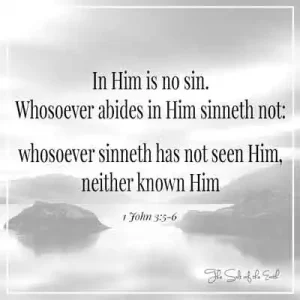
The church goers, who claim to have received the Holy Spirit, but disregard sin and approve of the miesas darbi, lie and don’t have the Holy Spirit abiding in them.
Tas nav iespējams, because God can’t have communion with sin.
God can’t forgive and justify the sinner without the shedding of blood, let alone bless a person, kas neatlaidīgi grēko.
Nowhere is it written in the Bible that God the Father, Jesus Christ the Son and the Holy Spirit justify sin, since sin is rebellion and disobedience to God. God hates sin. (a.o. Jeremiah 44:4; Zaharija 8:16-17; Atklāsme 2:15).
That’s why Jesus came to the earth, to deal with the rebellious and sinful nature of fallen man, in which death reigns and that produces the fruit of death, kas ir grēks.
A new creation through regeneration in Christ
Only in Christ and by His blood it’s possible to become a new creation through regeneration; through the death of the flesh and the resurrection of the spirit in Him, and walk in obedience to God in the light and do righteous works.
That’s why unbelievers, who love sin and death and refuse to repent and as a result keep living in sin, can’t be in the presence of born again believers, because the Holy Spirit confronts them and testifies that their works are evil.
Besides reproving the world of sin, the Holy Spirit also reproves the world of righteousness because Jesus went to His Father and they would see Him no more. And of judgment, jo šīs pasaules princis, velns (the adversary of God and the father of fallen man) is judged.
Jesus had more things to say about the other Comforter, but His disciples, kas vēl bija vecais radījums, couldn’t bear them. Tomēr, Jesus promised them that when the Spirit of truth would come, He would guide them into all truth.
The Spirit of truth guides believers into all truth
The Spirit of truth guides believers into all truth. Because He shall not speak of Himself, but what He hears He speaks and He shall shew them the things to come.
His words will not always be pleasant to hear (ko cilvēki vēlas dzirdēt), they can also be hard, strīdīgs, and admonishing and can even offend people. Just like the words of Jesus were oftentimes hard, confronting and admonishing and offended the people, whereby they walked away and left Jesus.
That’s because the words of God are Spirit and life, which not everyone can understand nor endure. Viņa vārdi ir dzīvība garam, but means the death for the flesh.
The same applies for the things to come that He shall shew. They will not always be pleasant either, but they are the truth coming from God and are meant to equip and prepare the saints for what is about to come.
The Holy Spirit glorifies Jesus, Who glorifies the Father
The Holy Spirit glorifies Jesus, because He receives of Jesus and shows it unto the believers. All things that the Father have are His (Jēzus).
As the Father is glorified in the Son, through His obedience to the Father and speaking His words and doing His works, the Holy Spirit glorifies the Son, through speaking His words, shewing the things to come and doing His works.
Caur Svēto Garu, Who dwells in Christians (followers of Christ), both the Father and the Son are glorified and exalted.
The Father is greater than the Son and gave all things to the Son and made Him the Head of the Church; Viņa Miesa uz zemes. Tā ka, iekšā- and through Him the Father is glorified.
Tomēr, kad Viņš, Patiesības gars, ir pienācis, Viņš vadīs jūs visā patiesībā: jo Viņš nerunās par sevi; bet visu, ko Viņš dzirdēs, that shall he speak: un Viņš jums parādīs turpmākās lietas. Viņš Mani pagodinās: jo Viņš saņems no Manējiem, un jums to parādīs. Viss, kas ir Tēvam, ir Mans: tāpēc es teicu, ka viņš ņems no Manējiem, un jums to parādīs
John 16:13-15
The peace of God by the Holy Spirit
The believers shall live in peace with God through Jesus Christ and the Holy Spirit and walk in peace through obedience to the Word and the Spirit and have peace through the Spirit by faith in God and His word (John 14:25-29).
The inheritance of the saints in light
When Jesus told His disciples about His earthly departure their hearts were filled with sorrow. They didn’t want Jesus to go. Bet Jēzus teica, that it was better for them that He would go, because if He wouldn’t go, the other Comforter couldn’t come.
Jēzus, Who came from the presence of the Father, was sent by the Father to the earth. After Jesus finished His work on earth, He returned to Father, so that the He could sent the other Comforter, Who came from the presence of the Father and was sent by the Father to dwell in His sons and daughters, who are justified and svaidīts Kristū; the anointed One.
Jēzus bija (visibly) with His disciples, but the other Comforter, the Holy Spirit would live inside of them.
"Esi zemes sāls’