Viesis bez kāzu apģērba domāja, ka varētu piedalīties laulību banketā, bet viņš kļūdījās, kā lasām līdzībā par kāzu mielastu. Līdzībā par kāzu mielastu Mateja evaņģēlijā 22:1-14, Jēzus salīdzināja Debesu Valstību ar ķēniņu, kurš noslēdza laulību savam dēlam. Uzaicinātie viesi uzvilka savu kāzu tērpu, izņemot vienu. Viens viesis ieradās bez kāzu apģērba un notika pie galda. Viņš uzskatīja, ka varētu piedalīties laulību banketā, ko karalis bija sagatavojis savam dēlam. Bet diemžēl, karaliskās vakariņas beidzās ne tā, kā to gaidīja viesis bez kāzu tērpa. Ko nozīmē līdzība par kāzu mielastu?
Līdzība par kāzu mielastu
Un Jēzus atbildēja un atkal runāja uz tiem līdzībās, un teica, Debesu valstība ir līdzīga noteiktam ķēniņam, kas noslēdza laulību viņa dēlam, Un sūtīja savus kalpus, lai aicinātu tos, kas bija aicināti (uzaicināts) uz kāzām: un viņi nenāktu. Vēlreiz, viņš sūtīja citus kalpus, sakot, Pastāstiet viņiem, kuri ir nosolīti, Redzi, Esmu gatavojusi savas vakariņas: mani vērši un mani nobarotie mazuļi tiek nogalināti, un viss ir gatavs: nāc uz laulību. Bet viņi to padarīja vieglu, un gāja savu ceļu, viens uz savu saimniecību, cits uz savām precēm: Un atlikums paņēma viņa kalpus, un nežēlīgi uzrunāja viņus, un nogalināja viņus. Bet, kad ķēniņš to dzirdēja, viņš bija dusmīgs: un viņš izsūtīja savus karaspēkus, un iznīcināja tos slepkavas, un nodedzināja viņu pilsētu.
Tad viņš sacīja saviem kalpiem, Kāzas ir gatavas, bet tie, kas tika pasūtīti (uzaicināts) nebija cienīgi. Tāpēc dodieties uz lielceļiem, un cik jūs atradīsiet, solījums laulībai. Tā tie kalpi izgāja uz lielceļiem, un sapulcināja visus, cik atrada, gan slikti, gan labi: un kāzas bija iekārtotas ar viesiem. Un kad ķēniņš ienāca apraudzīt viesus, viņš tur ieraudzīja cilvēku, kuram nebija kāzu tērpa: Un viņš tam sacīja, Draugs, kā tu nonāci šeit bez kāzu drēbēm?? Un viņš palika bez vārdiem. Tad ķēniņš sacīja kalpiem, Sasien viņam roku un kāju, un aizved viņu prom, un izmeta viņu ārējā tumsā; būs raudāšana un zobu griešana. Jo daudzi tiek saukti, bet maz ir izredzēti (Metjū 22:1-14)
Ielūgums uz kāzu mielastu
Šajā līdzībā par kāzu mielastu, Debesu Valstība tiek salīdzināta ar ķēniņu (Dievs), kurš bija noslēdzis laulību savam dēlam (Jēzus). Pirmā cilvēku grupa, kuri tika uzaicināti, bet nenāktu, bija tie, kas pēc dabiskās dzimšanas un miesas apgraizīšana piederēja Israēla miesīgajai tautai. Viņi vienaldzīgi izturējās pret ķēniņa ielūgumu un devās prom.
Viņiem bija citas lietas, ko darīt, kas viņiem bija svarīgāki par kāzu apmeklēšanu. Tāpēc viņi gāja savu ceļu.
Viens devās uz savu saimniecību, cits viņa tirdzniecībai, bet pārējie sagrāba ķēniņa vergus, kas viņiem atnesa labās ziņas, un slikti izturējās pret viņiem un nogalināja. Viņu uzvedība izraisīja ķēniņa dusmas. Tāpēc, karalis sūtīja savus karavīrus un nogalināja slepkavas, un nodedzināja pilsētu.
Tā kā karalis uzskatīja viesus, kuri tika uzaicināti uz kāzām, nav cienīgs, ķēniņš pasauca savus kalpus un pavēlēja tiem iziet uz lielceļiem un aicināt uz kāzu mielastu tik daudz cilvēku, cik viņi atradīs.
Kalpi paklausīja ķēniņam un devās uz galvenajām ielām un pulcēja tik daudz cilvēku, cik atrada, gan slikti, gan labi.
Kāzu laiks un ķēniņa ienākšana
Tad pienāca kāzu laiks. Kāzas bija ļaužu pilnas, kurus uzaicināja kalpi. Bet, kad karalis ienāca, lai redzētu viesus, viņš redzēja vienu viesi bez kāzu apģērba.
Kāpēc viesis bija bez kāzu apģērba?
Viesis bez kāzu apģērba tika uzaicināts, jo zināja par kāzām un ienāca. Tomēr, viņš nebija uzvilcis savu kāzu apģērbu. Viesis bez kāzu drēbēm ieradās savā apģērbā. Viņš uzskatīja, ka viņam bija atļauts apmeklēt kāzas ar saviem nosacījumiem un piedalīties kāzu banketā savā apģērbā..
Kāds lepns un augstprātīgs cilvēks, kurš domāja, ka viņš ir izņēmums. Viesis bez kāzu apģērba domāja, ka viņš ir noteikuma izņēmums, jo tik daudzi kristieši šajā laikmetā arī tic šiem velna meliem, ka viņi ir īpaši un tiem ir īpašs stāvoklis.
Viņi uzskata, ka ir izņēmums no noteikuma un viņiem ir atļauts darīt visu, ko viņi vēlas, un dzīvot pēc savas gribas, pat ja tas ir pretrunā Dieva Vārdam un Viņa gribai. Viņi domā, ka var darīt visu, ko vēlas, bez jebkādām sekām.
Viesis bez kāzu apģērba bija nerunīgs
Tagad mēs zinām, ko saka likums, tā saka tiem, kas ir zem bauslības: lai katra mute tiktu aizvērta, un visa pasaule var kļūt vainīga Dieva priekšā. Tāpēc ar bauslības darbiem neviena miesa netiks attaisnota Viņa acīs: jo ar likumu ir grēka atzīšana (Romieši 3:19-20)
Karalis neatstāja viesi bez kāzu drēbēm. Bet karalis stājās pretī viesim bez kāzu drēbēm un teica, “Draugs, kā tu ienāci, kamēr jums nebija kāzu apģērba?” Viesis bez kāzu tērpa bija nerunīgs un nezināja, ko teikt. Viņš nevarēja atbildēt uz karaļa jautājumu.
 Viesis bez kāzu apģērba, kuru sauca par draugu, zināja, ka viņam nav attaisnojuma, tas viņu attaisnotu caur viņu. Tāpēc, viņš karalim neatbildēja.
Viņš zināja, ka nedarīja to, kas viņam bija jādara, un ka viņam nav tiesību piedalīties kāzās.
Vai karalis atļāva personai palikt kāzu mielastā? Nē, karalis neizrādīja ciemiņam nekādu žēlastību, kas ienāca bez kāzu apģērba.
Karalis pavēlēja saviem kalpiem sasiet roku un kāju ciemiņam bez kāzu drēbēm un aizvest viņu un izmest ārējā tumsā., kur būs raudāšana un zobu griešana.
Jēzus pabeidza līdzību par kāzu mielastu, sakot, ka daudzi sauc, bet maz ir izredzēti (Izlasi arī: “vienreiz saglabāts vienmēr saglabāts?)
Kāds nemīlošs vīrietis!
Šajā laikmetā, teiktu lielākā daļa kristiešu: “Kāda tam nozīme, kā kāds ģērbjas. Lai katrs nāk un lai pats izlemj, ko vilkt. Cik legālisti! Var netiesāt. Kāds nedraudzīgs un skarbs cilvēks! Tev jāmīl savs tuvākais. Tas nav kristietis, jo tas nav mīlestības akts!”
Šiem kristiešiem var šķist grūti un nepiekrist, bet tas ir tāpēc, ka viņi ir miesīgi un viņus vada viņu uzskati, lietu perspektīvas, Jūtas, un emocijas Vārda un Gara vietā.
Bet Dievs un Jēzus; Vārdam vairs nebūs žēlastības un žēlastības vairs nebūs, kad ir pienācis noteiktais laiks.
Kāds ir ceļš uz mūžīgo dzīvi?
Dievs radīja Viņa griba un ceļš uz mūžīgo dzīvi zināms cilvēcei. Vispirms Viņa paša miesīgajiem ļaudīm Israēla namā, otrais pēc pagāniem. Viņš ir atdevis visu cilvēcei, lai ieietu Dieva valstībā un kļūtu par Dieva dēlu un būtu Viņa Valstības un mūžīgās dzīves līdzdalībnieks un staigātu Viņa gribā.
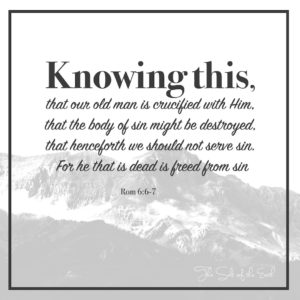 Dievs ir devis Savu Dēlu Jēzu Kristu kā a Aizstājējs vecajam miesīgajam cilvēkam, lai Viņā radītu jaunu radību; jauns cilvēks, un atjaunot attiecības starp Dievu un cilvēku.
Jēzus izturēja noraidījumus, garīgās cīņas, fiziska spīdzināšana, pātagas, un asiņošana.
Viņš uzņēmās sodu par grēku un tika sists krustā un iegāja Hadesā, lai tiem atdotu Savu svēto apģērbu, kas pieņemtu ķēniņa aicinājumu un ticētu Jēzum Kristum un būtu Kristīti Viņā un kļūsti a jauna radīšana.
Dievs ne tikai deva savu Dēlu Jēzu, bet Dievs deva arī Savu Svēto Garu.
Caur atdzimšanu un Svētā Gara mājokli, jaunais cilvēks ir saņēmis Dieva dabu un tam ir dota spēja un spēks kā Dieva dēlam garīgi nobriest Jēzus Kristus līdzībā un staigāt pēc Dieva gribas Viņa baušļi.
Viņš ir aicinājis visus nākt, bet cilvēki izlemj, vai viņi vēlas pieņemt ielūgumu vai nē. Ja cilvēki nepieņem ielūgumu un nevēlas nākt, tad viņi ir paši vainīgi, un ne Dievs.
Tev jābūt ģērbtam Kristus drēbēs
Jo jūs visi esat Dieva bērni ticībā uz Kristu Jēzu. Jo tik daudz no jums, cik kristīti Kristū, ir uzvilkuši Kristu (Galatiešiem 3:26-27)
Neviens nevar ieiet Dieva valstībā un saņemt mūžīgo dzīvību, pamatojoties uz saviem darbiem un ievērojot likumu, vai tu piederi Israēla miesīgajai tautai vai ne. Dievs nav cilvēku cienītājs (Tiesību aktu 15:9, Romieši 2:11; 3:22-26; 10:11-13, Efeziešiem 6:9, Kolosieši 3:25, 1 Peter 1:17), kas skaidri redzams līdzībā par kāzu banketu. Cilvēks, kurš ieradās savā apģērbā, uzskatīja, ka var ienākt, pamatojoties uz saviem darbiem.
Bet ir tikai Vienā veidā ieiet un palikt Dieva Valstībā, un tas ir caur Jēzu Kristu. Tikai ar Viņa atpestīšanas darbs un atdzimšanu Viņā, tu būsi ietērpts ar Viņu un kad tu turēsi Viņa baušļi un staigā pēc Viņa gribas, tu paliksi Viņā.
Nakts ir tālu pavadīta, diena ir klāt: tāpēc atmetīsim tumsas darbus, un ģērbsimies gaismas bruņās. Ļaujiet mums staigāt godīgi, Tāpat kā dienā; nevis nemieros un dzērumā, nevis kamerā un neprātībā, nevis nesaskaņās un apskaužot. Bet ģērbieties Kungā Jēzū Kristū, un nerūpējieties par miesu, lai piepildītu tās iekāres (Romieši 13:12-14)
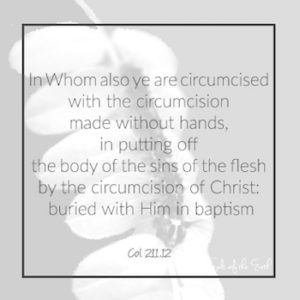 Jaunais cilvēks, kas ir dzimis no Dieva un tērpies Kristū, novelc vecā miesīgā vīra drēbes caur svēttapšanas procesu. Tas nozīmē, ka (s)viņš atlika vecā miesīgā cilvēka darbus (grēcinieks) un vairs nestaigās grēkos, kas darīti zināmi ar likumu (Galatiešiem 3:19).
Jaunais cilvēks ģērbsies jaunā cilvēka drēbēs un darīs jaunā cilvēka taisnīgos darbus, jo vīrieša vairs nav grēcinieks, bet ir kļuvis taisns Kristū (Izlasi arī: ‘Uzvelciet jauno vīrieti‘).
Tāpēc jaunais cilvēks, kas ir tērpies Kristū, tas staigās paklausībā Vārdam un Garam.
Bet, ja cilvēks paliek dumpīgs un atsakās novilkt veco apģērbu; miesu un ietērpties jaunajās Kristus drēbēs, tad šai personai Kunga dienā nebūs attaisnojuma
Jo žēlastības laiks, tas ir laiks, ko Dievs dod cilvēcei nožēlot un caur to ieiet Dieva valstībā reģenerācija, būs beidzies.
Tāpat kā karalis, Dievs un Jēzus par tiem neapžēlosies, kuri izvēlējušies paturēt paši savu miesīgo apģērbu.
Ja tu neapģērbsi Kristu un neapģērbsi jauno cilvēku, kurš ir izveidots pēc Dieva tēls, bet tā vietā paliec vecais miesīgs vīrs un dzīvo pēc miesas, darot tumsas darbus, tad jūsu galamērķis ir tāds pats kā viesis bez kāzu apģērba, kurš domāja, ka varētu ieiet kāzu mielastā un piedalīties kāzu banketā bez kāzu apģērba, bet beigās uzzināju, ka viņš kļūdījās.
"Esi zemes sāls’