Gennem hele Bibelen, vi ser enhed mellem Gud Fader, ordet; Jesus, og Helligånden. Imidlertid, trods deres sammenhold og kontinuerlige samarbejde, vi ser en skelnen mellem deres roller i Bibelen. We can divide the Bible into three dispensations. Hvad er de tre dispensationer i Bibelen? The three dispensations in the Bible are the dispensation of God the Father (Jehova), the dispensation of God the Son Jesus Christ (ordet), and the dispensation of God the Holy Spirit.
Skabelsen
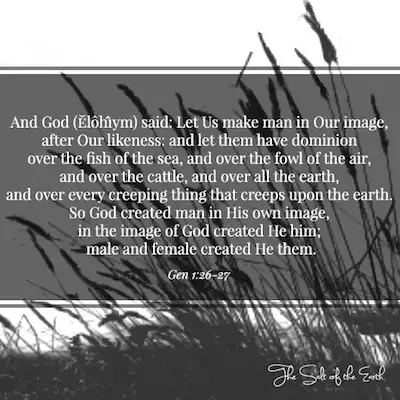
The Bible begins in the Book of Genesis with the creation. El-Elohim (Gud (Jehova), ordet; Jesus og Helligånden) created the heaven and earth and all there is within. El-Elohim created man after Their own image and consisted of a spirit, sjæl, og krop. Disse three elements became one and were called: mand. Man was perfectly created and walked after the spirit.
Imidlertid, Gud gav mennesket en fri vilje. Therefore man could decide to obey the words of God or not obey the words of God.
When the devil; Guds modstander, came and tempted man, man became curious and began to doubt God’s words.
Man believed the words of the devil above the words of God and became ulydig til Gud. Som et resultat af menneskets ulydighed mod Gud, the spirit in man died and the flesh began to reign.
At that moment the perfect relationship between God and man was broken.
Man was no longer spiritual but carnal. This became visible in the natural realm because Adam and Eve became conscious of their body and noticed that they were naked.
When they disobeyed God, their spirit died and the devil, døden, reigned in the flesh of the carnal man.
Imidlertid, God had a new plan to restore His relationship with man and the position of fallen man. There had to come En ny skabelse; en ny mand. Since the old creation; the old man was affected by evil and became corrupted.
God’s plan to restore (hele) mand
God’s plan to restore (hele) man and reconcile man back to Him, involved the coming of His Son Jesus Christ and the Holy Spirit. Jesus would deal with the sinful nature of man that ruled in the gammel skabelse og døden. The Holy Spirit would raise the spirit of man from the dead and would dwell in the new man.
Until the fulfillment of God’s plan of redemption, God had a temporary solution to deal with the sinful nature of fallen man, so that God could have a relationship with people. Through the offerings of animals, the blood of animals would temporarily atone the sins and iniquities of fallen man, so that God could have a relationship with the old man.
The first dispensation of God (Jehova)
The first of the three dispensations in the Bible is from Genesis to Malachi and is the dispensation of God the Father. We see the relationship between God (Jehova) and His carnal people; the House of Israel. We read about their relationship and all the works God did for His people.
God spoke to His people through the mouth of His prophets, to guide them. God gave them the Law, gennem Moses, who was His servant and representative. Gennem Loven, God’s will became known to His people.

But God’s people weren’t always willing to listen to God and obey Him.
Despite God’s warnings, the people often went astray. They compromised with the pagan nations, because they wanted to be liked the Gentiles and live like the pagan nations.
Men hver gang, they went their own way and adopted the customs of the pagan nations, they got into trouble. That’s because God removed His hand from His people. (Læs også: Hvad sker der, når en nation glemmer Gud?).
God’s people chose to become apostates from God. They decided to leave God and His Law and live like the Gentiles (verdenen).
The people of God were responsible for breaking the relationship and covenant, ikke Gud.
Gennem hele Det Gamle Testamente, we see ongoing periods of apostasy and periods of repentance and dedication to God.
One moment the king and God’s people served God and the next moment they disobeyed His law and became apostates, adopted the culture and customs of the Gentiles, and served strange gods. Until someone arose from the midst of God’s people, læse the Law of Moses, and exhorted the people to repent and dedicate themselves again to God.
As soon as the people repented, Gud vendte tilbage til sit folk, took care of them, and became their God again.
God’s greatness, righteous love, tålmodighed, barmhjertighed, and faithfulness
In this first dispensation of God, we see the righteous Guds kærlighed, Hans barmhjertighed, tålmodighed, and faithfulness to His people. We see God’s omnipotence and His wondrous works and miracles.
Throughout this dispensation of God, we see the unity and relation between God (Jehova), ordet; Jesus, og Helligånden.
God prophesied through the mouth of His prophets about the Messias komme: Jesus the Christ and the coming of the Holy Spirit.
The second dispensation of Jesus Christ; ordet
The second dispensation of the three dispensations in the Bible is from Matthew to Acts 1:9. In this second dispensation, Jesus Christus; Ordet er centrum.
We read about the coming of Jesus Christ, Guds søn. Jesus; the living Word became flesh and came to the earth as the Messiah, just as God prophesied through the mouths of His prophets.
In this second dispensation of the three dispensations in the Bible, we see the relationship between Jesus Christ and the carnal people of God (Israel). We see Jesus, det levende ord, in action. We read about all the signs, mirakler, and wonders Jesus did in the power of the Holy Spirit, among God’s people.
Jesus represented God the Father and His Kingdom. He preached and brought the Kingdom of God to the people of Israel, who were the old carnal man.
På trods af det, that in the second dispensation Jesus is the center, we see the unity and relation between God the Father, Jesus, og Helligånden.
Jesus came for the lost sheep of the house of Israel
Jesus the Messiah came in the first place for the lost sheep of the house of Israel and not for the Gentiles (Matthew 15:24). He even compared the woman, who was a Gentile, with a dog! But because of her great faith and perseverance, she got what she asked for (Matthew 15:21-28).
Many times Christians say Jesus was a friend of tax collectors and prostitutes and ate with them.
They say this, to justify their friendships with unbelievers, som tilhører verden og lever i mørke, and to justify the fact, at de lever som verden.
Imidlertid, their statement is not quite right. Jesus indeed ate with tax collectors and prostitutes, men…
Først og fremmest, these people were not Gentiles but they belonged to the House of Israel. They were considered the lost sheep of the House of Israel.
They were considered sinners based on their works. Derfor, they were treated as the Gentiles and were locked out of the congregation of God (the temple).
For det andet, when they heard the words of Jesus and were confronted with their sins, de Angrede fra deres onde vej, turned away from their wicked works, and turned to Jesus.
The Pharisees still considered the tax collectors and prostitutes as sinners, and because Jesus ate with them, they assumed that Jesus was a Friend of sinners and that Jesus approved and allowed their sins.
Imidlertid, the Pharisees didn’t know that the sinners of the House of Israel (Guds folk) Angrede. The Pharisees still considered them and treated them as sinners. But Jesus didn’t consider them as sinners anymore, because of their faith and repentance. (Læs også: Var Jesus en ven af toldere?).
Jesus forsonede mennesket tilbage med Gud
Jesus came to restore the relationship between God the Father and fallen man, which was broken in the Have af Eden. He was born in the flesh and became the Son of man. Jesus took all the sins and iniquities of fallen man upon Him and destroyed the nature of fallen man in His flesh. Through His redemptive work Jesus reconciled man back to God.
In this second dispensation, vi ser Jesu Kristi komme, Hans forløsende værk, and the redemption of fallen man.
Jesus prophesied to His disciples about the coming of the Holy Spirit. He announced the coming of another Comforter; Helligånden. Just like the Father announced the coming of Jesus Christ and the Holy Spirit. (Åh. Genesis 3:15, Esajas 7:14; 9; 40:10-11; 53:4-12, Jeremiah 31:33-34, Ezekiel 11:19-20; 36:26-28).
The third dispensation of the Holy Spirit
The third and final dispensation of the three dispensations in the Bible begins in Acts 2 and is the dispensation of the Holy Spirit. We see the coming of the Holy Spirit and the relationship between the Holy Spirit and the new creation. The new creations are the church; Jesu Kristi legeme.
In this third dispensation of the Holy Spirit, we also see the unity and relationship between God the Father, Jesus; ordet, og Helligånden.
The Holy Spirit represents the Father and Jesus Christ; the Word in the new creation.
Helligånden vidner om Jesus Kristus. Just like Jesus testified about His Father. They are inseparable, just like the new man consists of a spirit, sjæl, og krop
In this dispensation, we see the works of the Holy Spirit.
We read about the signs, mirakler, og vidundere, He did through the new man. Ligesom Jesus, Hvem var Førstefødte af den nye skabelse.
Uden Helligånden, the new man can’t do anything. The new man is totally dependent on the Holy Spirit, ligesom Jesus.
How salvation came to the Gentiles
The promise and coming of the Comforter; the Holy Spirit was in the first case meant for God’s people (Israel). But by the grace of God, salvation and the promise and inheritance, also came unto the Gentiles (Åh. romere 11:11).
Alle sammen, who believed in Jesus Christ and was willing to lay down his sinful nature and turn away from his sin and serve God, had the ability to become born again in the spirit, og blive en ny skabelse; En Guds søn (det gælder både hanner og hunner) and part of the body of Christ.
Alle sammen, hvem er Født igen i Kristus and grafted on Jesus Christ, belongs to the true people of God and possesses the Holy Spirit.
This third and final dispensation of the Holy Spirit is still in force and will last until the end of time.
'Vær jordens salt’