Kila mmoja, ambaye amezaliwa mara ya pili katika Kristo amekuwa kiumbe kipya na ana asili ya Mungu. Mapenzi ya Mungu, ambayo ilifichwa kwa uumbaji wa kale, but was revealed by the law of Moses, is written upon the heart of the new man. This means that the new man doesn’t need the law of Moses to walk righteous in the will of God. Mtu mpya ni sheria kwake mwenyewe. By the renewing of spirit, moyo, na asili, the new man shall by nature obey the truth of God and walk after the Spirit in the will of God and establish the law (sehemu ya maadili ya sheria). But if the law is written upon the heart of the new man, why do so many people, wanaojiita Wakristo, keep sinning and keep doing and approving those things that diametrically oppose the will of God?
The law of Moses was a schoolmaster until the coming of Christ
Kwa hiyo basi ni mtumishi wa sheria? Iliongezwa kwa sababu ya makosa, till the Seed should come to whom the promise was made; na iliamriwa na malaika kwa mkono wa mpatanishi. Sasa mpatanishi si mpatanishi wa mtu mmoja, lakini Mungu ni mmoja (Wagalatia 3:19)
Lakini kabla ya imani kuja, Tuliwekwa chini ya sheria, Nyamaza imani ambayo baadaye inapaswa kufunuliwa. Kwa hivyo sheria ilikuwa mkuu wetu wa shule kutufikisha Kristo, Ili tuweze kuhesabiwa haki kwa imani (Wagalatia 3:23-24)
After the exodus of Egypt, God revealed Himself, Mapenzi yake, Haki yake, and His holiness to His people by giving the law to Moses, who was chosen by God as His representative and the leader of His people to lead them into the promised land (Oh. Kutoka 3:1-4:17).
The law of Moses was a schoolmaster for everyone, ambaye alizaliwa katika uzao wa Israeli (Jacob), until the coming of the Messiah; Yesu Kristo, Mwana wa Mungu aliye hai. The law of Moses was meant for the old creation in whom the sinful nature reigns in the flesh.
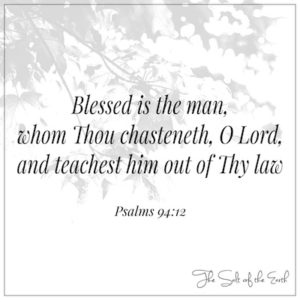
The law of Moses revealed sin and iniquity was and diametrically opposed the will of the flesh and dealt with the sinful works of the flesh.
Through obedience to the law of Moses, God’s people differentiated themselves from the pagan nations (Mataifa), who walked after the will, tamaa, and desires of the flesh in pride, ubinafsi, uongo, ibada ya sanamu, uchawi, uasherati, adultery and uncleanness, and God’s people were guarded under the law.
But since the law diametrically opposed the will of the (dhambi) flesh and there were people among the house of Israel, who loved their flesh above God, there were rebels among God’s people to whom the law was a hindrance and a stone of stumbling (Soma pia: Kwanini Mungu aliandika sheria yake juu ya meza za jiwe? naJe! Yesu ni jiwe la thamani au jiwe la kujikwaa?).
They considered the law of Moses a heavy burden and refused to submit to God and keep His commandments, matambiko, na maagizo.
Although they were all born of the seed of Jacob and through their natural birth and circumcision in the flesh belonged to the house of Israel and lived in His covenant, not all of them belonged to God and loved God with all their heart, nafsi, mind and strength and because of that, they were not saved and didn’t enter His rest and receive their inheritance.
Because of their kunung'unika and complaining and their unbelief, Kutotii, and rebellion towards God, they died in the wilderness and never entered the promised land.
Jesus represented the will of the Father and fulfilled the law
The law and the prophets were until John: since that time the kingdom of God is preached, and every man presses into it. And it is easier for heaven and earth to pass, than one tittle of the law to fail. Yeyote anayemwacha mkewe, na kuoa mwingine, Fanya uzinzi: na mtu akimwoa yule aliyeachwa na mumewe, anazini (Luka 16:16-18)
Usifikirie kwamba nimekuja kuharibu sheria, au manabii: Sikuja kuharibu, lakini kutimiza. Kwa maana hakika nawaambia, Mpaka mbingu na ardhi ipite, Jot moja au tittle moja haitapita kwa busara kutoka kwa sheria, mpaka yote yatimizwe (Mathayo 5:17-18)
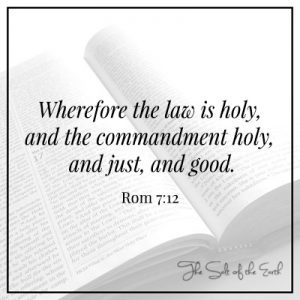
God is holy and righteous and is no Heshima ya watu and act according to His law; Sheria ya Roho, which is righteous and good.
God sent His Son Jesus to the earth, who was His reflection and represented His will.
Jesus was born of the Seed of God and the Firstborn of the new creation and walked after the Spirit in the will of God (Soma pia: Yesu ndiye mfano wa Mungu asiyeonekana, mzaliwa wa kwanza wa uumbaji mpya).
By His words, which derived from the Father, and His righteous walk in obedience to God, Jesus exposed the lies of the devil, who has successfully tempted man with his lies and usurped man from the beginning of creation, and Jesus testified of the evil works of the old man (uumbaji wa zamani).
Jesus exposed all things that were hidden in darkness, by His words, kazi, and walk, and because of that Jesus was not always loved by the people around Him, but Jesus was loved by the Father.
Because when the Holy Spirit descended upon Jesus (and on other occasions), a voice came from Heaven saying, this is My beloved Son in Whom I am well pleased (Oh. Mathayo 3:17; 12:18; 17:5, Weka alama 1:11; 9:7, Luka 3:22; 9:35, Yohana 12:28)
The will of the Father was written upon the heart of Jesus
Jesus had totally surrendered His life to the Father and did nothing outside His will.
The will of the Father was written upon the heart of Jesus and guided Him. Kutoka umri mdogo, Jesus was busy with the things of His Father and doing His will. By His walk, Jesus fulfilled the law and finished His redemptive work for fallen mankind on earth (Soma pia: Yesu alileta amani gani duniani?)
Yesu alishinda Ibilisi, dhambi, na kifo
Yesu Kristo, Mwana wa Mungu aliye hai, took the place of fallen man. Jesus was crucified and carried all the sins of the world and took the penalty of sin, which is death upon Himself and entered Hades (kuzimu, the kingdom of the dead), where Jesus stayed for three days and then rose as a Victor from the dead and triumphed over all principalities and powers (Soma pia: Yesu alifanya nini kuzimu?)
Through the perfect sacrifice of Jesus and His blood and His resurrection from the dead, Jesus dealt for once and for all with the sin problem and made a way for sinners to be made perfect, nzima, and righteous and reconcile them with God.
Jesus didn’t come to destroy the law but to fulfill the law. And everyone, who is born of God and has become a son of God (hii inatumika kwa wanaume na wanawake) and has received God’s nature shall by faith establish the law (sehemu ya maadili ya sheria, Inayofuata:Mapenzi ya Mungu (Oh. Warumi 3:31)).
The promise of the New Covenant
Tazama, siku zinakuja, asema Bwana, kwamba nitafanya agano jipya na nyumba ya Israeli, na nyumba ya Yuda: si sawasawa na agano nililofanya na baba zao, siku ile nilipowashika mkono ili kuwatoa katika nchi ya Misri.; ambalo agano langu walilivunja, ingawa nilikuwa mume kwao, asema Bwana: Lakini hili ndilo agano nitakalofanya na nyumba ya Israeli.;
Baada ya siku hizo, asema Bwana, Nitaweka sheria yangu katika matumbo yao, Andika katika mioyo yao; Atakuwa Mungu wao, nao watakuwa watu wangu. Wala hawatamfundisha tena kila mtu jirani yake, Kila mtu ndugu yake, akisema, Mjue Bwana: kwa maana wote watanijua Mimi, kutoka kwa mdogo wao hadi mkubwa wao, asema Bwana: Kwa maana nitawasamehe uovu wao, Sitaikumbuka dhambi yao tena. (Yeremia 31:31-34)
Nami nitawapa moyo mmoja, Nami nitaweka roho mpya ndani yako; Nami nitachukua moyo wa mawe kutoka kwa miili yao, na atawapa moyo wa mwili: Ili waweze kutembea katika kanuni zangu, na uweke maagizo yangu, na kuzifanya: nao watakuwa watu wangu, Nitakuwa Mungu wao (Ezekieli 11:19-20)
Kwa maana nitakuchukua kutoka kati ya mataifa, na kukusanya nje ya nchi zote, Na nitakuleta katika nchi yako mwenyewe. Basi nitakunyunyiza maji safi juu yako, Na wewe utakuwa safi: kutoka kwa uchafu wako wote, Na kutoka kwa sanamu zako zote, Je! Nitakusafisha. Moyo mpya pia nitakupa, Na roho mpya nitaweka ndani yako: Nami nitaondoa moyo wa mawe kutoka kwa mwili wako, Nami nitakupa moyo wa mwili. Nami nitatia Roho Wangu ndani yenu, na kuwafanya ninyi kuenenda katika sheria zangu, nanyi mtazishika hukumu zangu, na kuzifanya (Ezekieli 36:24-27)
Kwa maana kwa sadaka moja amekamilishwa kwa kila wakati ambao wametakaswa. Ambayo Roho Mtakatifu pia ni shahidi kwetu: kwa maana baada ya hayo alisema hapo awali, Hili ndilo agano nitakalofanya nao baada ya siku hizo, asema Bwana, Nitaweka sheria zangu mioyoni mwao, na katika akili zao nitaziandika; Na dhambi zao na maovu yao sitayakumbuka tena (Waebrania 10:14-17)
In the Old Covenant God gave the promise of a New Covenant (because the house of Israel and Juda had broken His Covenant), wherein by one offering He would perfect them, who would be sanctified (ndani Yake), and put a new spirit, His Spirit within them and replace the heart of stone by a heart of flesh, so that they would walk in His statutes and keep His ordinances, His judgments, and they would be His people and He would be their God.
This promise of God was fulfilled on the Siku ya Pentekoste when about 120 disciples of Jesus were filled with the Holy Spirit and began to speak in other tongues as the Spirit gave them utterance (Matendo 2).
The old man had become the new man and was no longer carnal and didn’t possess a heart of stone, but had become spiritual and had received a new heart of flesh, upon which the laws of God (Mapenzi yake) were written and caused them to do the will of God and keep His commandments (Soma pia: Kwa nini Mungu aliandika sheria yake kwenye mbao za mawe?? And The commandments of God vs the commandments of Jesus).
The law is written upon the heart of the new man
Kwa wakati Mataifa, ambazo hazina sheria, Fanya kwa asili vitu vilivyomo kwenye sheria, these having not the law, are the law unto themselves: Ambayo inaonyesha kazi ya sheria iliyoandikwa mioyoni mwao, Dhamiri yao pia inashuhudia, na mawazo yao yanamaanisha wakati wa kushtaki au vinginevyo; in the day when God shall judge the secrets of men by Jesus Christ according to my gospel (Warumi 2:14-16)
Salvation came first to the house of Israel and then to the Gentiles. Because by faith in Jesus Christ and regeneration in Him, the Gentiles also had the ability to be saved and by His blood receive forgiveness of sin and be redeemed from the reign of the devil and the power of darkness and be translated into the Kingdom of God’s beloved Son, and be reconciled with God and become fellow partakers of His Body; the Church and the spiritual things and fellow partakers of His promise in Christ Jesus and live as fellow heirs in union with God in the New Covenant (Oh. Warumi 15:27, Waefeso 3:6-7, Wakolosai 1:12-23)
Kupitia kudumu kwa Roho Mtakatifu, Sheria ya Mungu, ambayo yanawakilisha mapenzi yake, is written upon the heart of the new man, and because of that the new shall walk by faith in obedience to the Word in the will of God.
Mtu mpya ni sheria kwake mwenyewe
Kwa hivyo sheria ilikuwa mkuu wetu wa shule kutufikisha Kristo, Ili tuweze kuhesabiwa haki kwa imani. Lakini baada ya imani hiyo kuja, Hatuko tena chini ya mkuu wa shule. Kwa maana ninyi nyote mmekuwa wana wa Mungu kwa njia ya imani katika Kristo Yesu. Maana ninyi nyote mliobatizwa katika Kristo mmemvaa Kristo. Hakuna Myahudi wala Mgiriki, Hakuna dhamana wala bure, Hakuna mwanaume au mwanamke: Kwa maana nyinyi nyote ni mmoja katika Kristo Yesu (Wagalatia 3:24-28)
Kwa imani na kuzaliwa upya katika Kristo, there is no difference anymore between the circumcised in the flesh; the people who are born of the seed of Israël and are God’s covenant people and live under the law of Moses, and the uncircumcised in the flesh; Mataifa, who don’t belong to God’s covenant people and are not under the law.
The law of Moses was a schoolmaster for the children of Israel until the coming of Jesus Christ, who redeemed them from the law through faith and regeneration in Him.
The Gentiles are not born under the law, but when they are baptized in Christ and clothed with Christ and receive the Holy Spirit and become a new creation, they shall automatically do the will of God from their new heart, Roho, and nature and establish the law. They are the law unto themselves, not because they have to, but because they want to.
Because all, who are baptized in Christ are clothed with Christ and have become a new creation and are all one in Christ Jesus and belong to the same Body and have received the same Holy Spirit, whereby the laws are written upon their heart and they shall love God above all and walk in obedience in the will of the Father and keep the commandments of Jesus and please and honor Him and glorify the Father.
Wale, who reject the law, reject the Holy Spirit
If there are people, who say they believe and are born again, but don’t keep the commandments of Jesus and don’t do what He says and don’t walk according to the will of God, but keep sinning and keep living in rebellion towards God’s Word in iniquity, then the Word testifies, that they are not a new creation and don’t belong to God and don’t have the Holy Spirit abiding in them, but they are still the old creation, who belongs to the ruler of the world and has the spirit of the world and live from their sinful, mwasi, and prideful nature, since they compromise with the world approving sin and keep walking after the flesh doing the works of the flesh,
Their love for their flesh is bigger than their love for Jesus and because of that they don’t want to submit to Christ and are not willing to change.
Freedom in Christ doesn’t mean redemption from the will of God (sehemu ya maadili ya sheria) and the commandments of Jesus, but freedom in Christ means redemption from the power of the devil and sin and death, wanaotawala katika mwili.
Faith is not an addition to your old life and doesn’t revolve around going to church every week and following a set of laws, Kanuni, matambiko, Sherehe, na kadhalika. which are imposed on man, but faith is your life through a personal encounter with Jesus Christ and the crucifixion of the flesh and the resurrection of the spirit from the dead in Christ and by the indwelling of the Holy Spirit, whereby you shall live from your new nature (asili ya Mungu), doing the will of God whereby you shall establish the law.
‘Kuweni chumvi ya dunia’