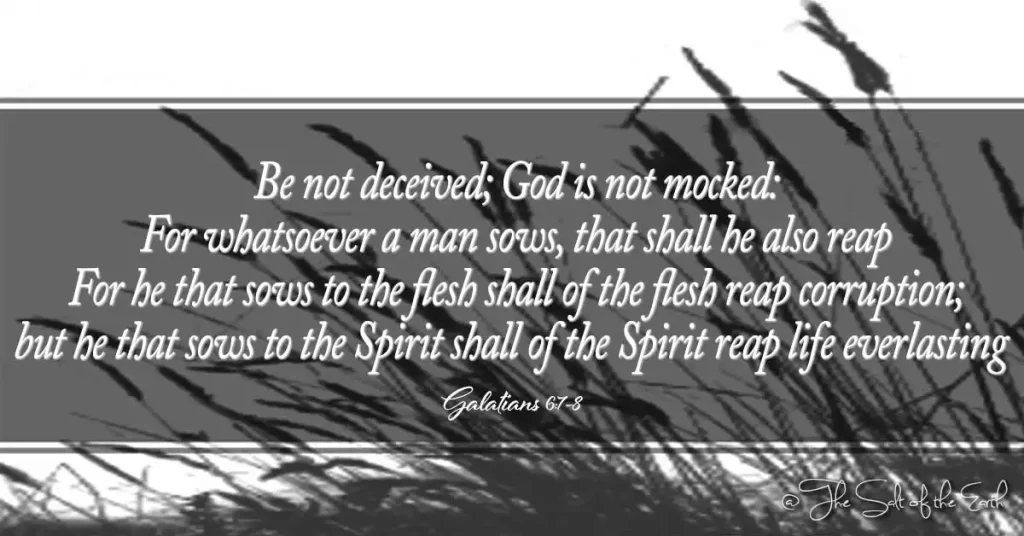
Miesa un Gars ir diametrāli pretstatā viens otram. Miesa iekāro pret Garu un Gars iekāro pret miesu. Bībele saka, ka miesa un Gars neiet kopā un nekad neiet kopā. Cilvēks sēj miesā vai cilvēks sēj Garā. Tas, ko cilvēks pļauj, ir rezultāts tam, ko cilvēks ir iesējis; Gars vai miesa. Jo kā rakstīts Galatiešiem 6:7, ko sēsi, to pļausi. Apskatīsim, ko Bībeles raksti saka par sēšanu un pļaušanu.
Kas ir miesīgs cilvēks?
Miesīgs cilvēks ir miesīgi domājošs un staigā pēc miesas. Miesīgu cilvēku vada miesa (sajūtas, Jūtas, miesīgs prāts, Uc.) un dara miesas darbus. Šie miesas darbi izriet no miesas grēcīgās dabas un ir pretrunā Dieva gribai.
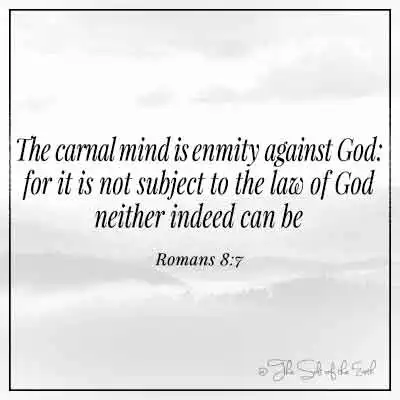
Jo tie, kas ir pēc miesas, domā par miesas lietām; bet tie, kas pēc Gara, ir Gara lietas. Jo būt miesīgi domājošam ir nāve; bet būt garīgam ir dzīvība un miers. Jo miesas prāts ir naids pret Dievu: jo tas nav pakļauts Dieva likumam, tā arī nevar būt. Tātad tie, kas ir miesā, nevar patikt Dievam (Romieši 8:5-8)
Miesa nepakļausies Dievam, bet saceļas pret Dievu un neievēro Viņa baušļus. Tāpēc, cilvēki, kas ir vecs radījums un kas ir miesā, nevar patikt Dievam.
Kādi ir miesas darbi saskaņā ar Bībeles rakstiem?
Miesas darbi izriet no miesas ļaunās dabas. Miesas darbi ir minēti vairākās Bībeles vietās un ir:
- Laulības pārkāpšana (izšķirtseksuālās attiecības starp precētu personu un personu, kas nav viņa laulātais)
- Netiklība (Harlotry, seksuāla nešķīstība, tostarp laulības pārkāpšana, šķiršanās, incests, nelaulības seksuālās attiecības, homoseksualitāte)
- Netīrība (fiziski vai morāli: -nešķīstība, rituāli netīrs)
- Nepārspējama pieķeršanās (pareizi cieš, (pārmērīgs) pieķeršanās, iekāre)
- Ļaunā iekāre (ļauna/ļaunā vēlme vai iekāre)
- Mantkārība (krāpšana, izspiešana:-iekārojamas prakses, alkatība, kam ir tieksme pēc īpašuma)
- Dusmas (vardarbīga aizraušanās, dusmas, sašutumu, atriebība)
- Dusmas (niknums, sašutumu)
- Ļaunprātība (palaidnība, ļaunums, nelietība)
- Zaimošana (zaimošana (īpaši pret Dievu), margas, ļauni runājot)
- Netīra komunikācija (zemiska saruna, lamājoties)
- Melošana (izrunāt nepatiesību vai mēģināt maldināt ar meliem, nepatiesi, gulēt)
- Laiskums (piepildīta ar seksuālo vēlmi vai tās izrādīšana)
- Elkdievība (elku pielūgsme, neizmērojama pieķeršanās vai uzticība kaut kam)
- Burvība (burvju vai maģijas izmantošana, burvestību lietošana un garu piesaukšana, saziņa ar velnu vai ar pazīstamu, neatvairāma ietekme vai valdzinājums)
- Naids (aizspriedumains naidīgums vai naidīgums, iemesls opozīcijai, naidīgums)
- dispersija (nenoteiktas afinitātes; strīds, strīds, debates, nesaskaņas)
- Emulācijas (skaudība, dedzīgs prāts, sašutumu, greizsirdība, dedzība)
- Strīds (strīdus akts, piepūle vai strīds par pārākumu)
- Sacelšanās (nodaļa, kūdīšana uz pretošanos vai sacelšanos pret likumīgu varu, sacelšanās pret valsts autoritāti)
- ķecerības (sekta, pārliecība vai uzskats, kas ir pretrunā ortodoksālajai reliģiskajai doktrīnai (īpaši kristietība), pārliecība vai uzskats, kas nesaskan ar kādas noteiktas reliģijas oficiālajiem uzskatiem vai uzskatiem)
- Skaudības (greizsirdība, sajūta, ka gribas iegūt to, kas ir kādam citam, Neapmierinātības vai aizvainojuma ilgas sajūta, ko izraisa kāda cita īpašums)
- Slepkavības (nokaušana, nogalināt, sabojāt vai sabojāt, ļoti slikti sakaut pretinieku)
- Piedzeršanās(intoksikācija, dzēruma stāvoklis)
- Revellings (nemierus, karuselis, dzīvespriecīgi un trokšņaini, īpaši ar dzeršanu un dejošanu)
Vai cilvēki, kas dara miesas darbus, iemantos Dieva Valstību?
Nē, ļaudis, kas dara miesas darbus, neiemantos Dieva Valstību. Neatkarīgi no tā, ko sludinātāji saka baznīcā, Bībele saka, ka cilvēki, kas dara miesas darbus, neiemantos Dieva Valstību.
Tagad miesas darbi ir izpausmīgi, kas ir šie; laulības pārkāpšana, netiklība, nešķīstība, neveiklība, elkdievība, Maģija, naids, dispersija, emulācijas, dusmas, nesaskaņas, sedīcija, ķecerības, apskaušana, slepkavības, piedzēries, pārcelšanās, Un tāds kā: no tā, ko es jums iepriekš saku, Kā es jums arī teicu pagātnē, lai tie, kas to dara, neiemantotu Dieva Valstību (Galatiešiem 5:19-21)
Neziniet, ka netaisni neiemantos Dieva Valstību? Neesiet maldināts: ne netikli, ne elku pielūdzēji, ne laulības pārkāpēji, ne arī sievišķīgs, ne arī varmāka pret cilvēci, Ne zagļi, ne arī iekārīgs, ne dzērāji, ne zaimotāji, ne izspiedēji, iemantos Dieva valstību (1 korintieši 6:9-10).
Ja baznīcas ļaudis (ieskaitot draudžu vadītājus) darīt šos darbus tas pierāda, ka baznīca (ticīgo asambleja) ir miesīgs.
Tas pierāda, ka draudze nepieder Dievam un Viņa Valstībai un nav garīga, bet gan pieder pasaulei (tumsas valstība) un ir miesīgs.
Baznīcas ēka un interjers ar dinamisko neona apgaismojuma efektu var izskatīties skaisti un mūzika var skanēt brīnišķīgi un ietekmēt apmeklētājus tā, ka rada zināmu pieredzi, un paaugstina garastāvokli un izraisa patīkamas sajūtas un emocijas, un izraisīt zosādu, bet visas šīs lietas nepierāda, ka draudze ir garīga un Dieva Gars ir klātesošs.
Tieši otrādi, tas tikai pierāda, ka baznīca ir miesīga. Jo baznīca paļaujas uz dabas resursiem (audiovizuālās tehnoloģijas) radīt atmosfēru un spēlēt uz maņām, Jūtas, un apmeklētāju emocijas. Bet Dievs ir Gars, nevis sajūta un pieredze.
Ja cilvēki dodas uz koncertu vai klubu, viņu noskaņojumu paaugstinās arī dinamiskie neona gaismas efekti un mūzika. Cilvēki arī piedzīvos zosādu, patīkamas sajūtas, un emocijas. Tomēr, Dieva un Viņa Gara nav klāt.
Vai zīmes un brīnumi pierāda, vai kāds ir piedzimis no jauna un garīgs?
Nē, zīmes un brīnumi nepierāda, vai kāds ir piedzimis no jauna un garīgs. Baznīcā var notikt pārdabiskas zīmes un brīnumi, bet tie nepierāda baznīcas garīgumu. It īpaši, ja cilvēki dzīvo grēkā un baznīca pacieš grēku.
Zīmes un brīnumi var rasties no Gara. Taču zīmes un brīnumi var rasties arī no dvēseles, kuru kontrolē tumsas valstība.
Ir daudz cilvēku, kuri nepazīst Dievu un nav piedzimuši no jauna un tāpēc ir negarīgi, bet dari (pārdabisks) zīmes un brīnumi. Viņi dara šīs zīmes un brīnumus no miesas, izmantojot dabiskus līdzekļus; dabiskā tehnika, metodes, rituāli, dabas elementiem un resursiem, kā arī ļauno garu ietekmē.
Tas nozīmē, ka jums nav jāpiedzimst no jauna, lai staigātu pārdabiskajā pasaulē.
Apskatiet alternatīvos dziedniekus, Austrumu filozofi, okultisti, Uc. Un neaizmirstiet par burvjiem Ēģiptē, kurš varētu darīt tādas pašas zīmes kā Dievs, zināmā mērā.
Tas pierāda, ka jūs nav jāpiedzimst no jauna, lai staigātu pārdabiskajā pasaulē.
Daudzas dabas tehnikas ir pārņemtas no burvestībām un citām pagānu reliģijām un filozofijām un tiek izmantotas baznīcā, ar kuru izveidoja daudzas baznīcas mehāniska ticība un pārcēlās uz okultismu. Viņi pāriet uz okultu domāšanu, ka viņus vada Dieva Gars.
Vienīgā atšķirība starp okulto draudzi un Gara vadītu draudzi ir viņu gaita. Okultā draudzē tiek darīti miesas darbi un Gara vadītā draudzē tiek darīti taisnības darbi.
Jaunā radība staigā pēc Gara un nes Gara augļus
Cilvēkiem, kas kļuvuši par jaunu radību Kristū, ir Dieva Gars un viņi vairs nav grēka kalpi. Tas nozīmē, ka viņi vairs nekalpos miesas grēcīgajai dabai un pildīs gribu, iekāres, un miesas vēlmes. Viņu miesa nomira Kristū, un viņu gars ir augšāmcēlies no mirušajiem. Tāpēc viņi ir miruši grēkam, bet dzīvs Dievam.
Atdzimušie kristieši ir saņēmuši Dieva Garu un staigā pēc Gara un nes Gara augļus.
Tāpēc tiem, kas ir Kristū Jēzū, tagad nav nekādas pazudināšanas, kas nestaigā pēc miesas, bet pēc Gara. Jo dzīvības Gara likums Kristū Jēzū mani ir darījis brīvu no grēka un nāves likuma. Par to, ko likums nevarēja darīt, jo tā bija vāja caur miesu, Dievs sūta Savu Dēlu grēcīgas miesas līdzībā, un par grēku, nosodīja grēku miesā: Lai mūsos piepildītos bauslības taisnība, kas nestaigā pēc miesas, bet pēc Gara (Romieši 8:1-4)
Bet jūs neesat miesā, Bet garā, Ja tā, vai tā ir tā, ka Dieva gars mājo tevī. Tagad, ja kādam cilvēkam nav Kristus gara, Viņš nav neviens no viņa. Un, ja Kristus ir tevī, Ķermenis ir miris grēka dēļ; Bet gars ir dzīve taisnības dēļ. Bet, ja tā gars, kas uzaudzināja Jēzu no mirušajiem, Tas, kas uzaudzināja Kristu no mirušajiem, arī paātrinās jūsu mirstīgos ķermeņus ar savu garu (Romieši 8:9-11)
Kas ir Gara auglis?
Gara auglis ir minēts Vēstulē Galatiem 5:22-23, augļi ir:
- Mīlestība (Dievišķa mīlestība, nevis pasaulīga mīlestība)
- Prieks
- Miers
- Pacietība
- Maigums
- Labestība
- Ticība (uzticīgs)
- Lēnprātība
- Atturība (paškontrole)
Protams, ir cilvēki, kuri nav piedzimuši no jauna un šķiet mīloši, maigs, ilgs laiks, lēnprātīgs, uzticīgs, priecīgs, un mierīgs. Bet atšķirība starp cilvēkiem, kas ir miesīgi, un cilvēkiem, kas ir garīgi, ir, ka cilvēki, kas ir miesīgi, tos vada miesa, nevis Gars.
Tas nozīmē, ka, ka tik ilgi, kamēr apstākļi un situācijas rit pēc viņu gribas un kamēr cilvēki pret tiem izturas pēc savas gribas, tad viss kārtībā. Bet tiklīdz kaut kas mainās un apstākļi un situācijas nenotiek pēc viņu gribas vai kā plānots un citi cilvēki nedara to, ko viņi vēlas, vai nedara to, ko viņi gaida., vai ja viņi piedzīvo pretestību un vajāšanu, tad mainās viņu uzvedība un parādās vesela kaudze citu īpašību.
Bet Gara auglis, kas nāk no Gara un jaunā cilvēka dievbijīgā daba ir pastāvīga. Gara auglis nav atkarīgs no dabas apstākļiem, situācijas, apkārtni, un cilvēki. Jaunais cilvēks vienmēr nes Gara augļus.
Ko tas nozīmē, ko sēsi, to pļausi?
Ko sēsi, to pļausi, tas nozīmē, ko iestādīsi augsnē, to pļausi. Ja jūs augu mīkstumā, Jūs gūsit miesas augļus (miesas darbi) un, ja jūs stādīsit Garā, jūs pļausiet Gara augļus. Paskaidrosim to nedaudz vairāk.
Tāpēc, brāļi, mēs esam parādnieki, nevis uz miesu, dzīvot pēc miesas. Jo ja jūs dzīvojat pēc miesas, tu mirsi: bet ja jūs ar Garu nonāvējat miesas darbus, tu dzīvosi (Romieši 8:12-13)
Kristieši, kuri ar ticību un atdzimšanu pieder Kristum un ir kļuvuši par a jauna radīšana viņus nevada ļaunā grēcīgā daba, kas atrodas miesā. Viņi nedara to, kas ir pretrunā ar Dieva gribu.
Kristieši klausās Jēzu un Seko viņam un neklausiet miesai un tās kārībām un kārībām. Viņi nedara miesas darbus. Tas ir tāpēc, ka viņi ir situši krustā savu miesu un tās iekāres un iegribas Kristū.
Ja tu sēsi miesā, tu pļausi samaitātību
Kamēr tu paliec vecais vīrs un ej pēc miesas, tu darīsi miesas darbus. Tu paliksi grēka vergs. Tu sēsi savai miesai un no miesas pļausi iznīcību.
Vecais staigā pēc miesas un neiepriecinās Dievu ar saviem darbiem, bet apbēdinās Dievu.
Ja tu sēsi Garā, tu pļausi mūžīgo dzīvību
Bet ja tu mīli Dievu un kļuvuši par jaunu radību, tu turēsi Viņa baušļus. Jums būs jāstaigā ticībā pēc Gara pēc Viņa gribas, paklausot Vārdam. Jūs sēsit Garam un nesīsit Gara augļus un pļausit mūžīgo dzīvību.
Jo tie, kurus vada Dieva Gars, viņi ir Dieva dēli. Jo jūs neesat saņēmuši verdzības garu, lai atkal baidītos; bet jūs esat saņēmuši adoptēšanas Garu, ar ko mēs raudam, Abba, Tēvs. Pats Gars kopā ar mūsu garu liecina, ka mēs esam Dieva bērni: Un ja bērni, tad mantinieki; Dieva mantinieki, un Kristus līdzmantinieki; ja tā ir, tad mēs ciešam kopā ar Viņu, lai arī mēs kopā tiktu pagodināti (Romieši 8:14-17)
"Esi zemes sāls"
Avots: Spēcīgā saskaņa, Oksfordas vārdnīca, Merriam-Webster vārdnīca