Many Christians believe that sin doesn’t matter and that you can live in sin and be saved at the same time. They speak constantly about grace and use the grace of God as a cloak to approve of sin. They believe and say that by faith in Jesus Christ and His sacrifice and blood, you’ve been made righteous. Therefore it doesn’t matter how you live. You can live the way you want to live. Because the sacrifice and blood of Jesus ensure that you stay saved. But of course, this is a partial truth aka a lie of the devil that many Christians believe. What does the Bible say about living in sin (persevering in sin) un pestīšanu? Can you live in sin and be saved according to the Bible or not?
What is the false doctrine of the Nicolaitans?
The Nicolaitans were such a group that followed their leader Nicolas and his false doctrine. His false doctrines deceived the Nicolaitans and caused them to deviate from the sound doctrine of Jesus Christ and go astray. The Nicolaitans believed they could keep sinning because they lived under grace and you still live in a sinful flesh.
The Nicolaitans misused the grace of God. So that they didn’t have to die to the flesh and put off the old man and put on the new man. They could do the works of the flesh and live sin, nejūtoties nosodīts, thinking they were saved and escaping the punishment for sin, kas ir nāve.
But these Nicolaitians didn’t know Jesus experientially. They had no knowledge of the Bible and didn’t have the Holy Spirit.
Vietā, they followed the words of their leader, who preached this false doctrine; this lie. (Izlasi arī: Nikolaiiešu doktrīna un darbi).
Although the Nicolaitans were misled and believed this false doctrine and lived by it, because they considered it as the truth, Jesus hated the doctrine and works of the Nicolaitans.
The church at Ephesus hated the works of the Nicolaitans as well, Tāpat kā Jēzus.
Tomēr, the church at Pergamos (Pergamums), where the throne of satan was, embraced the doctrine of the Nicolaitans. Because some of them held the doctrine of the Nicolaitans.
Jesus didn’t allow the doctrine and works of the Nicolaitans, because it defiled the church. But Jesus called the church at Pergamos to repentance. If they didn’t repent, Jesus would come unto them quickly and fight against them with the sword of His mouth. (Atklāsme 2:6, 15-16 (Izlasi arī: What is the throne of satan?)
The devil has deceived many churches with the same lie
We don’t know if the church of Pergamos listened and obeyed the words of Jesus. But we do know that the devil succeeded again, by deceiving many Christians with the same lie and doctrine.
The devil deceived many Christians by making them believe that it doesn’t matter how you live. You can live in sin and be saved. Because you are not saved and justified by your works. But you are saved and justified by the redemptive work of Jesus Christ.
Vēlreiz, this is a partial truth that is preached. Jā, you are indeed saved by the redemptive work of Jesus Christ. His blood has cleansed you from all your sins and iniquities and made you holy and righteous. His blood saved you. No one can earn his salvation by his works. Up to here, it’s correct.
But… The blood of Jesus is not a permit to sin. The blood of Jesus doesn’t give you the right to persevere in sin.
The sacrifice and the blood of Jesus are not the same as the sacrifice and the blood of animals. The sacrifice and blood of animals provided a temporary atonement for the sins of the people. But the sacrifice and blood of Jesus don’t provide a temporary atonement but deal with the sinful nature, which reigns in the flesh and from which sin proceeds.
Vecā Derība
Vecajā Derībā, which was sealed by the blood of animals, God’s people constantly fell back into the same sin. Because they were still carnal and their spirit was still under the dominion of death.
They were trapped in the (Grēcīgs) flesh and the flesh ruled their lives. Therefore they constantly had to make atonement for their sins.
But despite the many sacrifices and blood that was shed, nothing changed in man’s nature. Nothing changed about man’s fallen state and nature. Which is the case in the New Covenant that is sealed by the blood of Jesus Christ. (Izlasi arī: ‘Kāda ir atšķirība starp dzīvnieku upuri un Jēzus Kristus upuri?‘).
The New Covenant
Jaunajā Derībā, it shouldn’t be that people who are saved and belong to God, fall into the same sin over and over again and persevere and live in sin. Because they have been delivered from the power of sin and death, through the death of their flesh in Christ.
This was not the case in the Old Covenant. So if those, who live in the New Covenant keep sinning, it means they’re not delivered from the power of sin and death. (a.o. ebreji 9, 1 John 1:5-7))
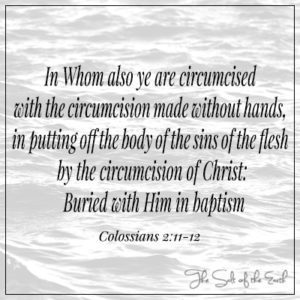
Jaunajā Derībā, man has become a new creation through regeneration in Christ, which means the death of the flesh and the resurrection of the spirit from the dead. (Izlasi arī: ‘Apgraizīšana Jaunajā Derībā‘).
The new man is born of God and transferred from the power of darkness into the Kingdom of God, kur Jēzus Kristus ir ķēniņš un valda. (a.o. Kolosieši 1:13).
Therefore darkness has no more power over the new man.
The flesh no longer reigns, but Christ reigns in the new man. Since the flesh is dead and the spirit is alive.
Only when the flesh has died and the spirit of man is raised from the dead and the new man enters the Kingdom of God and walks after the Spirit according to the law of this Kingdom in the light, man shall be saved.
Visi, who is born of God stays in Him and doesn’t sin
Ko tad lai sakām? Vai turpināsim grēkā, lai žēlastība būtu pārpilnībā? Dievs aizliedz. Kā mums būs, kas ir miruši grēkam, dzīvot tur ilgāk? Nezini, ka tik daudzi no mums, kas tika kristīti Jēzū Kristū, tika kristīti Viņa nāvē? Tāpēc ar kristību mēs līdz ar Viņu esam aprakti nāvē: tāpat kā Kristus tika uzmodināts no miroņiem ar Tēva godību, tāpat arī mums jāiet jaunā dzīvē (Romieši 6:1-4)
Ikviens, kas paliek Viņā, negrēko: ikviens, kas grēko, nav Viņu redzējis, nedz Viņu nepazīst. Mazie bērni, lai neviens tevi nemaldina: kas dara taisnību, tas ir taisns, tāpat kā Viņš ir taisns. Kas grēko, tas ir no velna; jo velns grēko no sākuma. Šim nolūkam tika atklāts Dieva Dēls, lai Viņš varētu iznīcināt velna darbus. Ikviens, kas ir dzimis no Dieva, negrēko; jo Viņa sēkla paliek viņā: un viņš nevar grēkot, because he is born of God.Tajā izpaužas Dieva bērni, un velna bērni: kas nedara taisnību, tas nav no Dieva, ne tas, kas nemīl savu brāli (1 John 3:6-10)
A person may repent and be baptized in water and receive the baptism with the Holy Spirit, but if there is no change in the person’s life and the person keeps doing the works of the flesh and darkness and walks in unrighteousness in darkness, then the life of the person shows, that the person has not repented and is not born again in Christ. Since the flesh in which sin reigns and from which sin proceeds, joprojām ir dzīvs. The flesh has not been crucified in Christ.
The new creation yields to Jesus and the Holy Spirit, the old creation yields to the devil and the flesh
The person hasn’t become a new creation and hasn’t yielded to Jesus Christ (vārds) and the Holy Spirit and doesn’t do what They say. But the person is still the old creation, who belongs to the devil.
Therefore the person lives in disobedience to God and His Word after the will of the flesh in obedience to the will of the devil and sin. The person perseveres in sin or falls back into the same sin over and over again. (Izlasi arī: ‘Dieva griba pret velna gribu‘ un ‘Tumsas bruņas‘).
The true gospel of Jesus Christ calls to repentance
Jesus came into Galilee, preaching the gospel of the kingdom of God, Un sakot, The time is fulfilled, and the kingdom of God is at hand: repent ye, and believe the gospel (Marka 1:14-15)
Un teica viņiem, Tādējādi tas ir uzrakstīts, un tāpēc Kristus cieta, un pacelties no mirušajiem trešajā dienā: Un ka grēku nožēlošana un grēku remisija ir jāsludina viņa vārdā starp visām tautām, Sākot ar Jeruzalemi. Un jūs esat šo lietu liecinieki (Luke 24:46-48)
Ye have not yet resisted unto blood, striving against sin. Un jūs esat aizmirsuši pamudinājumu, kas runā uz jums kā uz bērniem, Mans dēls, nenicini Tā Kunga pārmācību, nor faint when thou art rebuked of him: For whom the Lord loveth He chasteneth, and scourgeth every son whom he receiveth. Ja jūs izturat pārmācību, God dealeth with you as with sons; for what son is he whom the father chasteneth not? Bet ja jūs paliekat bez pārmācības, kurā visi ir līdzdalībnieki, tad jūs esat nelieši, un ne dēli.
Turklāt mums ir bijuši mūsu miesas tēvi, kas mūs laboja, un mēs viņiem devām godbijību: Vai mēs daudz vairāk nepaklausīsimies garu Tēvam, un dzīvot? Jo viņi dažas dienas mūs pārmācīja pēc sava prāta; but he for our profit, that we might be partakers of his holiness. Tagad nekāda pārmācīšana tagadnes laikam nešķiet priecīga, bet skumji: nevertheless afterward it yieldeth the peaceable fruit of righteousness unto them which are exercised thereby (ebreji 12:5-11)
The true gospel calls to repentance and sanctification and disciplines, labo, and chastises. Tomēr, the modern gospel, kas nav evaņģēlijs, doesn’t contain these elements.
The modern gospel embraces sin and keeps people in bondage
The modern gospel is a humanistic gospel (ziņa) that pleases the ears, Jūtas, and emotions of the people in the church but keeps the people in bondage of sin and death.
This gospel welcomes everyone and everyone may stay the way they are. Everything is allowed and tolerated, nothing is wrong. God loves everyone, tieši tādi, kādi viņi ir. And so sin is embraced instead of condemned and removed.
They believe that you have to respect others and forgive and love others instead of condemning them. Bet vai tā ir taisnība?
Where is it written in the Bible (after the death and resurrection of Jesus Christ and the outpouring of the Holy Spirit) that you have to accept sin and tolerate sin in the church? That if you live in sin you are saved?
Where is it written that you must leave those, who persevere in sin alone?
Where is it written that it doesn’t matter if preachers, vecākie, and other leaders of the church become disobedient to God and His Word, due to the will, lusts and desires of their flesh and fall in sin and/or persevere in sin? (Izlasi arī: ‘Eli garsŅiks)
This is nowhere written in the Bible! Because sin is rebellion and disobedience to God and His will.
Kā cilvēki var, who don’t walk in the will of God and are disobedient to His Word, teach others to walk in the will of God and to be obedient to the Word, so that they will grow up into the image of Christ?
The new creation fulfills the righteousness of the law
Cilvēki, who sin and live in sin and refuse to repent of their lifestyle, show by their works that they don’t belong to Christ and are not saved. They still belong to the devil and aren’t the servants of righteousness but the servants of sin. They are carnal and still listen to the devil and do his will and serve the devil through their flesh. (Izlasi arī: ‘The commandments of God vs the commandments of the devilŅiks).
God has given His commandments to make His will and His nature and righteousness known and to reveal sin. Jesus has never annulled the commandments of the law. But Jesus fulfilled them by walking after the Spirit in the will of the Father in righteousness. Tie, who belong to Jesus walk after the Spirit instead of the flesh and fulfill the righteousness of the law. (a.o. Metjū 5:17-18, Romieši 3:31; 8:4 (Izlasi arī: ‘Vai cilvēks spēj izpildīt likumu?Ņiks).
“Whosoever does not bear his cross and come after Me can’t be My disciple”
Jēzus viņiem atbildēja, Patiesi, patiesi, Es tev saku, Ikviens, kas dara grēku, ir grēka kalps (John 8:34)
And there went great multitudes with him: and he turned, un sacīja viņiem, If any man come to me, un neienīsti savu tēvu, un māte, un sieva, un bērni, un brāļi, un māsas, jā, un arī viņa paša dzīve, viņš nevar būt Mans māceklis. Un kas savu krustu nenes, un nāc pēc Manis, nevar būt Mans māceklis (Luke 14:25-27)
Tad Jēzus sacīja saviem mācekļiem, If any man will come after me, Ļaujiet viņam noliegt sevi, un paņem viņa krustu, un seko man. Jo kurš, izglābjot viņa dzīvību, to zaudēs: and whosoever will lose his life for my sake shall find it (Metjū 16:24-25, arī Marks 8:34-35, Luke 9:23-24)
Jesus never spoke about accepting people with a sinful lifestyle. He didn’t preach that sinners could live in sin and stay the way they were and be saved.
Jesus was not a Promoter of sin! He didn’t speak about respecting and tolerating sin.
Tieši otrādi, Jēzus teica, He hated sin and called the sinners to repentance. Jo visi, who commits sin is a servant of sin and is not saved.
Jēzus teica, that if anyone still loves his own life, and doesn’t deny himself, and doesn’t put Jesus above all, the person can’t be Jesus’ disciple.
Jēzus teica, that if anyone wants to come to Him and follow Him, he must deny himself and take up his cross.
Because if you don’t lose your own life in this world, you shall not find life.
Many churches tolerate sin from both church members as church leaders
Jāņa atklāsmes grāmatā, Jesus didn’t say to the various churches, He respected their behavior and the doctrines and works of the darkness.
Jesus didn’t embrace sin, since sin is the will of the devil. But Jesus commanded the churches to remove the sin. If they didn’t, they would reap the consequences of their disobedience.
There are many churches today, where everything is tolerated. They not only tolerate everything from the members of the church, who say they are saved but live in sin and keep sinning. But they also tolerate everything from the preachers and leaders of the church, who are carnal and keep doing the works of the flesh.
Melošana, krāpšanos, krāpšana, elkdievība (t.i. Austrumu filozofijas, joga, Mindfulness, Meditācija, cīņas māksla, reiki, akupunktūra), Maģija, zīlēšana, netiklība, laulības pārkāpšana, extramarital affairs, šķiršanās, kopdzīve neprecējusies, sexual relationships outside of marriage, Porn, homoseksualitāte, and all other (seksuāla) nešķīstība, aborts, Eitanāziju, abusive drinking, Uc. This has all become very normal and is not considered a sin anymore.
The conscience of many Christians is seared with a hot iron and they don’t even know it. They are blinded by the lies of darkness and allow everything.
Jūs nezināt, ka netaisnīgie neiemantos Dieva valstību? Neesiet maldināts: ne netikli, ne elku pielūdzēji, ne laulības pārkāpēji, ne arī sievišķīgs, ne arī varmāka pret cilvēci, Ne zagļi, ne arī iekārīgs, ne dzērāji, ne zaimotāji, ne izspiedēji, iemantos Dieva valstību(1 korintieši 6:9-10)
“Pastaiga garā, un jūs neizpildīsit miesas kārību”
To tad es saku, Pastaiga garā, un jūs neizpildīsit miesas kārību. For the flesh lusteth against the Spirit, un Gars pret miesu: un tie ir pretrunā viens ar otru: lai jūs nevarētu darīt to, ko vēlaties. Bet ja jūs Gara vadīti, ye are not under the law. Now the works of the flesh are manifest, kas ir šie; Laulības pārkāpšana, netiklība, nešķīstība, neveiklība, Elkdievība, Maģija, naids, dispersija, emulācijas, dusmas, nesaskaņas, sedīcija, ķecerības, Skaudības, slepkavības, piedzēries, pārcelšanās, Un tāds kā: no tā, ko es jums iepriekš saku, Kā es jums arī teicu pagātnē, Ka tie, kas dara šādas lietas, ne manto Dieva valstību (Galatiešiem 5:16-21)
Bet Bībele (vārds) ir skaidrs. Bībele saka:, ka tie, who do these things are not born of God, nepieder Dievam, and shall not inherit the Kingdom of God. (a.o. John 3:3-5, 1 John 3:8-9; 5:18)
Many Christians serve the devil instead of God
Many Christians don’t stand in the service of God and serve God. But they stand in the service of the devil and serve him. Because instead of preaching the truth and the gospel of Jesus Christ and reconciling people to God, viņi sludina melus. Caur viņu meliem, they lead the people astray and make them walk on the broad way that leads to destruction. Because the way of the world doesn’t lead to eternal life but leads to death (o.a. 2 Petrus 2, Jude (Izlasi arī: Dieva darbu iznīcināšana velna darbu vietā).
They’re masters in adjusting God’s truth to the will and desires of man and the truth of the world.
They’re masters in building bridges with the world and other religions and philosophies and changing the words of God to approve sin and compromise with sinners.
But preaching the sound gospel of Jesus Christ and calling sinners to repentance and delivering them from the power of sin and death and standing on the Word and keep standing on the Word and representing, preaching and bringing the Kingdom of God and walk in the authority of Jesus Christ on earth, they don’t know anything about and are not familiar with.
Many preachers and elders (līderiem) of the churches don’t solve the problems. Vietā, they allow the people to live in sin and leave them in their sins. Kāpēc? Because they don’t want to hurt or offend anybody’s feelings. They don’t want to get involved and cause problems. And so they let everything run its course, hoping that the problems will solve themselves. But problems don’t get solved by themselves but go from bad to worse. (Izlasi arī: Ko Bībele saka par grēku baznīcā?).
Jesus gave His life to deal with the sin problem
Kurš Savā miesā uz koka nesa mūsu grēkus, ka mēs, būt miris grēkiem, jādzīvo pēc taisnības: ar kuras brūcēm jūs esat dziedināti. For ye were as sheep going astray; but are now returned unto the Shepherd and Bishop of your souls (1 Peter 2:24-25)
Jesus gave His life and suffered immensely to deal with the sin problem. The sin problem didn’t solve by itself. But the sacrifice of Jesus Christ, Dieva Dēls, was needed to solve the sin problem. It was needed to redeem man from sin and death, restore man’s fallen position and reconcile man to God.

Jesus gave His life for man. Tā ka, man could be free from the power of sin and death and live in freedom. Because sin is bondage.
Sin doesn’t lead to eternal life, as the devil made many Christians believe. But sin leads to death.
Jo tie, kas ir pēc miesas, domā par miesas lietām; bet tie, kas pēc Gara, ir Gara lietas. Jo būt miesīgi domājošam ir nāve; bet būt garīgam ir dzīvība un miers. Jo miesas prāts ir naids pret Dievu: jo tas nav pakļauts Dieva likumam, tā arī nevar būt (Romieši 8:5-7)
kāds, who lives after the flesh and is carnally minded shall persevere in sin.
Therefore if someone perseveres in sin, it shows that the person lives after the flesh and is carnally minded. The person has not yielded to the Spirit and the law of God (Gara likums), but lives in enmity against God. The person doesn’t love God and doesn’t belong to Him, but still belongs to the devil and death.
If you love God you will keep His commandments
Because if you love God, you will keep His commandments instead of being prideful and rebellious and disobeying the Word and living in sin (a.o. Izceļošana 20:6, 5. Mozus 5:10, John 14:15, 23).
Būt miesiski domājošam ir nāve. Jo visi, who lives in sin and keeps sinning and doesn’t repent shall deserve death and not, as is preached in many churches, life and be saved (Romieši 1:24-32)
What does it mean to not live under the law but under grace?
How often do people say, “I don’t live under the law but under grace”. While they live in disobedience to God and His Word after the flesh in sin, tāpat kā pasaule. So what does it mean that you don’t live under the law but under grace? What is truly written in the Bible about not living under the law but under grace?
Tāpēc lai grēks nevalda jūsu mirstīgajā miesā, lai jūs tam paklausītos tās kārībās. Neatdodiet savus locekļus kā netaisnības instrumentus grēkam: bet padodieties Dievam, kā tie, kas ir dzīvi no mirušajiem, un jūsu locekļus kā taisnības instrumentus Dievam.
Jo grēks nevaldīs pār jums: jo jūs neesat likuma pakļautībā, bet zem žēlastības. Ko tad? vai mēs grēkosim, jo mēs neesam zem likuma, bet zem žēlastības? Dievs aizliedz. Nezini, kam jūs nododat kalpus, kam paklausīt, Viņa kalpi jūs esat, kam jūs paklausāt; vai no grēka līdz nāvei, vai par paklausību uz taisnību? Bet Dievs ir pateicīgs, ka jūs bijāt grēka kalpi, Bet jūs no sirds esat paklausījuši, ka jums tika piegādāta doktrīnas forma. Pēc tam tiek atbrīvots no grēka, Jūs kļuvāt par taisnības kalpiem (Romieši 6:12-18
Jo kad tu biji grēka kalpi, jūs bijāt brīvi no taisnības. Kādi augļi jums bija tādās lietās, par kurām jums tagad ir kauns? jo šo lietu beigās ir nāve. Bet tagad tiek atbrīvots no grēka, un kļūt par kalpiem Dievam, Jums ir jūsu augļi līdz svētumam, un mūžīgā dzīve. Jo grēka algas ir nāve; Bet Dieva dāvana ir mūžīgā dzīve caur Jēzu Kristu, mūsu Kungu (Romieši 6:20-23)
tie, who live in sin live under the law
Visi, who walks after the flesh and keeps doing the works of the flesh and therefore perseveres in sin lives under the dominion (pilnvaras) of sin and death and therefore lives under the law of sin and death, kas valda miesā.
The only way to ensure that you no longer live under the law but under grace, is through the death of the flesh in Christ. It’s through regeneration in Christ and sanctification; atliekot veco vīru un uzvelkot jauno vīrieti.
Tie, who live in sin are not in Christ and are not saved
Tāpēc tiem, kas ir Kristū Jēzū, tagad nav nekādas pazudināšanas, kas nestaigā pēc miesas, bet pēc Gara. Jo dzīvības Gara likums Kristū Jēzū mani ir darījis brīvu no grēka un nāves likuma (Romieši 8:1-2)
Bet ja jūs Gara vadīti, jūs neesat likuma pakļautībā (Galatiešiem 5:18)
Ikviens, kas paliek Viņā, negrēko: ikviens, kas grēko, nav Viņu redzējis, nedz Viņu nepazīst (1 John 3:6)
People may say they are saved and are not under the law but under grace, but if they still allow sin to reign as king in their lives, by obeying the lusts and desires of the flesh and therefore live in sin, then they are not living under grace. By living after the flesh and doing the works of the flesh, they still live under the law.
Visi, who is not made alive in Christ by the resurrection of the spirit from the dead and doesn’t walk after the Spirit, but still lives under the authority (valdīšana)s of sin and death, still lives under the law.
Visi, who by faith is born again in Christ and saved, and abides in Him, shall not (live in) grēks. Faktiski, it’s written that everyone, who sins has never seen Him, and neither has known Him.
The Word is clear, ka tie, who allow sin to reign as king in their lives and obey sin by living in sin, are not delivered and are not saved. They still live under the authority of sin and death. Tāpēc, their final destination shall be the kingdom of death (elle, Hades). Since the fruit of death is sin and the wages of sin is death and not eternal life.
Vai jūs varat dzīvot grēkā un tikt izglābti?
Kas ir no Dieva, tas dzird Dieva vārdus: tāpēc jūs tos nedzirdat, jo jūs neesat no Dieva. Then answered the Jews, un sacīja Viņam, Say we not well that thou art a Samaritan, un viņam ir velns? Jēzus atbildēja, Man nav velna; bet es godinu savu Tēvu, un jūs darāt Mani negodu. Un es nemeklēju Savu godību: ir viens, kas meklē un spriež. Patiesi, patiesi, Es tev saku, Ja vīrietis ievēro Manu teicienu, viņš nekad neredzēs nāvi (John 8:47-51)
Bet katrs vīrietis ir kārdināts, kad viņu aizrauj viņa paša iekāre, un vilināja. Tad, kad iekāre ir ieņemta, tas rada grēku: un grēks, kad tas ir pabeigts, dzemdē nāvi (Džeimss 1:14-15)
“Uzmanies, brāļi, lai nevienā no jums nebūtu ļauna neticības sirds, atkāpjoties no dzīvā Dieva”
Uzmanies, brāļi, lai nevienā no jums nebūtu ļauna neticības sirds, atkāpjoties no dzīvā Dieva. Bet mudiniet viens otru katru dienu, kamēr to sauc par šo dienu; lai kāds no jums netiktu nocietināts grēka viltības dēļ. Jo mēs esam padarīti par Kristus līdzdalībniekiem, ja mēs noturēsim savas pārliecības sākumu līdz galam (Ebreju valoda 3:11-14)
Un Viņš man teica, It is done. Es esmu Alfa un Omega, the beginning and the end. I will give unto him that is athirst of the fountain of the water of life freely. Tas, kas uzvar, iemantos visu; un es būšu viņa Dievs, Un viņš būs mans dēls. Bet bailīgie, un neticīgs, un riebīgais, un slepkavas, un netiklības, un burvji, un elku pielūdzēji, un visi meli, viņiem būs sava daļa ezerā, kas deg ar uguni un sēru: kas ir otrā nāve (Atklāsme 21:6-8)
Vai jūs varat dzīvot grēkā un tikt izglābti? Nē, you can’t live in sin and be saved. Tikai tie, who are born again in Christ and are born of God and have become a new creation (Dieva dēls) and submit to Jesus Christ and God the Father and listen to the Word and the Holy Spirit and obey and do the Word and walk after the Spirit and live in righteousness, they shall not see death but shall inherit eternal life.
Sin reigns until death; death in Christ or natural death
The fact of the matter is, that sin reigns as king in people’s lives until death. Tomēr, people determine until which death this is; the death in Christ or natural death
A person can allow sin to reign as king in his life until his repentance and the regeneration in Christ, when the flesh dies in Him. No tā brīža, the person is delivered from the power of the devil and the law of sin and death. Caur gara augšāmcelšanos no mirušajiem, sin and death no longer have authority over the person. But the person has been made free. And by walking after the law of the Spirit as an overcomer in Christ the person inherits eternal life.
Or a person allows sin to reign as king in his life until the person dies a natural death, whereby the spirit of man remains under the authority of sin and death until his death. The person shall not inherit eternal life but shall go to the kingdom of death (elle). And on the Day of Judgment, the person is cast into the eternal lake of fire and experiences the second death.
"Esi zemes sāls’