Se, joka on synnitön, heittäköön ensimmäisen kiven, on yksi eniten käytetyistä Raamatun jakeista kristittyjen keskuudessa. Vaikka monet kristityt eivät vietä paljon aikaa Raamatun parissa, John 8:7 on kaiverrettu heidän mieleensä. It’s a good thing to speak God’s word, as long as it is used in the right context and for the glory of Jesus Christ and His Kingdom. Valitettavasti, tätä ei aina tapahdu. Many Scriptures are taken out of context, including John 8:7, to applaud sin and the sinner, instead of exhorting people to live holy lives in obedience to Jesus Christ, and silence Christians, who walk in God’s Truth and call the sinner to repentance and remove sin. Nyt, what did Jesus mean in John 8:7, Let he who is without sin among you, let him cast the first stone and does it still apply in the New Covenant?
The importance of reading the Bible in the right context
When you read and study the Bible it’s important to read the Scriptures in the right context and to know when the words were written (in which dispensation), where the words were spoken, by whom the words were spoken, to whom the words were spoken and meant for, in which context the words were spoken and the message. (Lue myös: Mitkä ovat Raamatun kolme taloudenhoitokautta?).
Before looking into John 8, where Jesus said, let he that is without sin among you let him cast a stone at her, it’s important to know what happened before and the situation between Jesus and the chief priests, scribes, and Pharisees.
Therefore let’s begin at the feeding of the multitude in John 6. Let’s look at what happened from that moment until the moment the adulterous woman was brought to Jesus in the temple.
The same multitude, who followed Jesus because of His miracle, left Jesus because of His words
Jeesuksen jälkeen fed the multitude of 5000 miehet (naisia ja lapsia ei lasketa) in Galilee with 5 loaves of bread and two fishes, Jesus withdrew Himself into the mountains. Jesus withdrew Himself because after the miracle of the feeding of the multitude, the Jews considered Jesus a prophet and Jesus perceived that they would take Him by force, to make Him a king.
But this soon changed, after Jesus taught in the synagogue in Capernaum (His residence) and said to the same multitude, that He was the Bread of life that was sent by His Father and that everyone, who would eat His flesh and drink His blood would have eternal life and He would raise them up at the last day. He that would eat His flesh and drink His blood would dwell in Him and He in him (her).
The Jews, who considered Jesus a prophet and wanted to make Him king, a day before, couldn’t listen and bear the hard words of Jesus anymore. And so they left Jesus, who was left behind with only twelve of His disciples. (John 6 (Lue myös: Jeesuksen seuraaminen merkkien ja ihmeiden vuoksi).
The Jews sought to kill Jesus, because Jesus healed on the sabbath and made Himself equal to God
Jesus walked in Galilee, because He didn’t want to walk in Judea, since the Jews sought to kill Jesus. This is very important to know, since God commanded in the ten commandments of the Law of Moses, joka oli tarkoitettu vanhalle miehelle (vanha luomus) joka kuului Jumalan kansaan (the house of Israël), ‘thou shalt not kill’. Siksi, the Jews didn’t keep this commandment of God.
Why did the Jews sought to kill Jesus? The Jews sought to kill Jesus because, Heidän mukaansa, Jesus had broken the sabbath, by healing the lame man and because Jesus called God His Father and therefore made Himself equal to God (John 5:1-18).
While His disciples went to Judea to celebrate the Jewish feast of Tabernacles, Jesus stayed in Galilee. But after His brethren were gone up, Jesus also went in secret to the feast (John 7:1-10).
Jesus taught in the temple
The Jews sought Jesus at the feast and asked where He was. There was much murmuring among the people concerning Jesus. Some of them said, He was a good man, while others said that Jesus deceived the people. But no one spoke openly of Him for fear of the Jews.
In the middle of the feast of Tabernacles, Jesus went to the temple and taught the people. The Jews marveled at His teachings and wondered how He knew letters, while He had not studied. Jesus told them that His doctrine was not His but of His, Isä, Kuka oli lähettänyt Hänet.
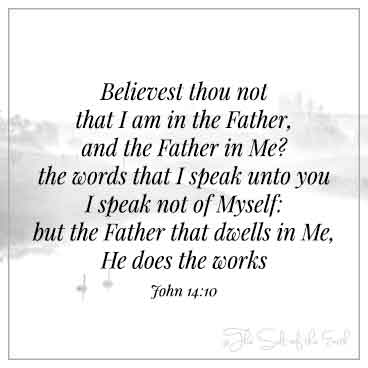
Jesus talked to them and conversated with them, and said to the Jews, muun muassa, that while none of them kept the law, why they wanted to kill Him? and the Jews accused Jesus of having a devil.
They tried to take Him but no one laid hands on Him, because His hour was not yet come.
Many of the people believed in Him and said, “When Christ comes will He do more miracles than these which this Man hath done?”
The Pharisees heard the people murmuring about Him and the Pharisees and the chief priests sent officers to take Jesus.
In the synagogue, Jesus testified of His departure and on the last day of the feast of Tabernacles about the living water. There arose again a division among the people because of Him and some of them wanted to take Jesus, but no man laid hands on Jesus.
The officers of the chief priests and Pharisees returned to them without Jesus
The chief priests and Pharisees had commanded the officers to take Jesus and bring them to them. Kuitenkin, the officers returned without Jesus. When they asked the officers why they had not brought Jesus, the officers answered, that never had a man spoken like Jesus.
The Pharisees asked if they were also deceived and accused Jesus that He didn’t know the law of Moses, koska heidän mukaansa, Jesus didn’t keep the law of Moses.
Kuitenkin, Nikodemus, who was one of the Pharisees, said that their law didn’t judge before they would hear Him and know what He was doing. The Pharisees asked him, if he was also from Galilee and that he had to search and find out that out of Galilee no prophet had arisen (John 7:45-52).
This and much more, but you can read that yourself, took place in the temple, where later on the adulterous woman was brought to be judged to be stoned.
What was the true reason why the chief priests and Pharisees tried to kill Jesus?
The chief priests and the Pharisees tried to kill Jesus, because according to them Jesus didn’t keep the Law of Moses and Jesus made Himself equal to God. Kuitenkin, the true reason why the chief priests and the Pharisees sought to kill Jesus was because Jesus testified of their evil works.
Although they were the rulers of the house of Israel and were appointed in the office as overseers and shepherds of God’s people, they didn’t belong to God. They didn’t listen to His words, and knew not – and didn’t believe the Scriptures that testified of Jesus. Sen sijaan, they wanted to silence the Son of God and get rid of Him by killing Jesus Christ.
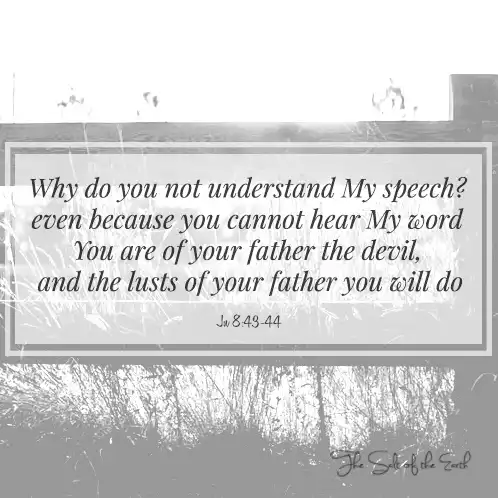
These men belonged to the devil, who hates God, and everyone, who belongs to God and wants to eliminate them. The love of God the Father was not in them, but hate and death reigned in the heart of these chief priests and Pharisees, who brought the woman, who was caught in adultery to Jesus. (Lue myös: Mitä eroa on Jeesuksen ja uskonnollisten johtajien välillä?).
Nainen, who was caught in adultery, was brought to Jesus
And early in the morning He came again into the temple, and all the people came unto Him; and He sat down, ja opetti niitä. And the scribes and Pharisees brought unto Him a woman taken in adultery; and when they had set her in the midst, He sanovat Hänelle, Hallita, this woman was taken in adultery, in the very act. Now Moses in the law commanded us, that such should be stoned: but what sayest thou? This they said, tempting Him, that they might have to accuse Him. But Jesus stooped down, and with His finger wrote on the ground, as though He heard them not. So when they continued asking Him, He lifted up Himself, ja sanoi heille, He that is without sin among you, let him first cast a stone at her. And again he stooped down, and wrote on the ground. And they which heard it, being convicted by their own conscience, went out one by one, beginning at the eldest, even unto the last: and Jesus was left alone, and the woman standing in the midst. When Jesus had lifted up himself, and saw none but the woman, he said unto her, Nainen, where are those thine accusers? hath no man condemned thee? She said, No man, Herra. Ja Jeesus sanoi hänelle, En myöskään tuomitse sinua: mennä, Ja synti ei enää
John 8:2-11
Jesus spoke these words in the Old Covenant, before His crucifixion, kuolema, ja ylösnousemus kuolleista. God’s redemptive work for fallen humanity had not taken place yet, nor the coming of the Holy Spirit and the birth of the uusi luomus.

Jesus spoke these words to the scribes and Pharisees, sitä (uskonnollinen) Jumalan kansan johtajia, who were still the old creation and belonged to the generation of fallen mankind (syntisiä).
They were the old carnal man and therefore unspiritual and subject to the elements of the world (spirits of the world).
They lived under the law and had the law of Moses as their schoolmaster, which kept them (guarded), through obedience, under the law.
Kuitenkin, nämä (uskonnollinen) leaders didn’t obey the words of God and were not subject to the Law of Moses. They didn’t walk righteous in the will of God, as we can read in the previous Bible verses.
But they did evil works, which derived from their evil heart, whereby they testified that they didn’t belong to God (Lue myös: What are the similarities between the religious leaders of God’s people then and now?).
Sitä (uskonnollinen) leaders of God’s people usurped a position of power for selfish reasons
Sitä (uskonnollinen) leaders had usurped a position of power, for selfish reasons and had the same (syntinen) nature as their father the devil, since they were murderers just like their father and wanted to be the god of these people and be exalted and honored by them.
They didn’t know God and didn’t love God above all and didn’t love their neighbours as themselves. The leaders were not compassionate with God’s people and were no shepherds, who took care of the flock and fed, protected, helped, and led them to eternity. They were selfish and only concerned with themselves.
And this Jesus, was a threat to them, since His righteous works testified of their evil works.
They hated their brother Jesus, just like Cain, who hated Abel, because his works were righteous and God was well pleased with Abel and respected his offering. Because of the fact that the righteous works of Abel testified of the evil works of Cain, Cain hated his brother Abel and killed his brother Abel (Lue myös: Miksi Jumala ei kunnioittanut Cainin tarjousta?).
The same spirit, who dwelled in Cain, dwelled in the scribes and Pharisees (with some exceptions of course) and encouraged them to kill Jesus.
Why was the adulterous woman brought to Jesus?
These scribes and Pharisees didn’t come to Jesus with the adulterous woman, because they loved God and wanted to obey His Law and do His will in order to prevent the curse of this evil coming over the congregation of Israel. Ei, they only came to Jesus with the adulterous woman to tempt Jesus, so that they had something to accuse Him with. They were evil and therefore their intention was evil.
He kysyivät Jeesukselta, Hallita, this woman was taken in adultery, in the very act. Now Moses in the law commanded us, that such should be stoned: but what sayest Thou?
They tried to flatter Jesus by calling Him Master, but Jesus knew their hearts and their intention and wasn’t tempted by their words.
“He that is without sin among you, let him first cast a stone at her”
Jesus didn’t say anything and stooped down and wrote with His finger on the ground. Nobody knows what Jesus wrote with His finger, we can only guess.
Maybe Jesus wrote with His finger the ten commandments of the Law of Moses, since the scribes and Pharisees confronted Jesus with the Law of Moses. and God wrote (twice) with His finger His ten commandments on tablets of stone.
Mutta taas, this is just an assumption. No one knows what Jesus wrote, since it’s not written in the Bible. We can’t build a doctrine based on an assumption.
We only know what Jesus said, when they continued asking Him, nimittäin, he that is without sin among you, let him first cast a stone at her. Näiden sanojen jälkeen, Jesus stooped down again and wrote on the ground.
Jesus answered their question indirectly, but not as they expected.
Jesus confirmed the commandment of God, which He had given to Moses.
Kuitenkin, since Jesus knew the hearts of the scribes and Pharisees and their evil works, and knew they were hypocrites and murderers, since they and their fathers killed the prophets and they also wanted to kill Him, Jumalan Poika, and were as guilty as the adulterous woman and even more guilty, since they were the leaders of Israel and knew the Scriptures and had a responsibility toward God and the people, but had blood on their hands, Jeesus sanoi:, ‘he that is without sin.’
The scribes and Pharisees who tested Jesus were wicked and refused to repent
Since none of the scribes and Pharisees (who tested Jesus) were without sin, but had done many wicked works in their lives, and had not given heed to the call to repentance of Johannes Kastaja and didn’t repent and be baptized and refused to turn from their wicked way and remove their wicked works and bear the fruits that meet repentance, their own conscience convicted them. And so they walked away, one by one, beginning at the eldest, until Jesus was left alone with the woman.
When Jesus raised Himself and saw nobody, except the woman, Jesus asked her, Nainen, where are those thine accusers? Hath no man condemned thee? Nainen vastasi Jeesukselle, No man Lord.
Since Jesus was not appointed as Judge of the Law and the purpose of His coming to the earth was not to condemn the people unto death, but to save people from death, Jeesus sanoi naiselle, En myöskään tuomitse sinua (unto death. (Lue myös: Mitä tuomiota varten Jeesus tuli tähän maailmaan?)).
Jesus told the adulterous woman to Go and sin no more!
Kuitenkin, Jesus gave the woman a commandment, nimittäin, mene äläkä enää syntiä tee!
Jeesus ei sanonut, ah you poor thing, et voi sille mitään. You are just born in a fallen world and you will always remain a sinner. Ei! Jesus didn’t say that, but Jesus said, mene äläkä enää syntiä tee!
The adulterous woman had made a conscious choice to rebel against God and disobey His commandment. She deliberately chose to violate the Law of Moses (that could have kept her guarded) by committing adultery.
Jesus saved her life from sinners and saved her from (the sentence to) kuolema. Kuitenkin, after she had and encounter with Jesus the Christ and Jesus forgave her sin, He commanded her to sin no more and not commit adultery again.
Now it was up to the woman, if she would obey the words of Jesus and keep His commandment or reject His words and commandment.
Does he who is without sin cast the first stone still apply in the New Covenant?
Jesus spoke the words, He that is without sin cast the first stone, in the Old Covenant to the (uskonnollinen) Jumalan kansan johtajia. They were still the old creation and didn’t believe in Jesus. They hadn’t repented of their sins and weren’t baptized.
This same applies to the adulterous woman, who was brought to Jesus. She was also the old creation, who belonged to the generation of fallen humanity. She belonged to God’s people (Israelin huone) and lived under the Law.
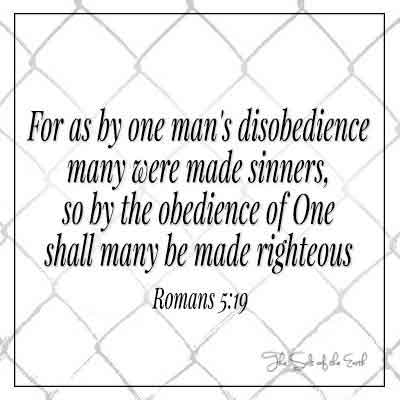
Jesus didn’t say these words in the New Covenant to the new man, who believes in Jesus Christ and repented of his sin and is baptized and received the baptism with the Holy Spirit, and is born again in Christ, which means the flesh with its sinful nature died in Christ and the spirit is raised from the dead, and the Holy Spirit abides in the new man.
The new man is not a slave of sin and death anymore!
But the new man is delivered from sin and death. The new man is transferred from the darkness into the Kingdom of the Son, where Jesus is King and reigns. Through regeneration in Christ the new man belongs to the Church (Kristuksen ruumis) maan päällä. (Lue myös: Pysytkö aina syntisenä?)
The new man isn’t a son of the devil anymore as the old man; vanha luomus. Therefore the new man is not a sinner, who lives in rebellion and disobedience to God.
The new man is a son of God (urokset ja naaraat) and has been made righteous by the blood of Jesus. Uusi mies on pyhä (erotettu maailmasta ja omistautunut Jumalalle). As a result the new man walks holy and righteous in the will of God.
The new man has a new Father, uusi luonto, and a new position in Christ
Uudistumisen kautta Kristuksessa, the new man has a new Father, uusi luonto (Jumalan luonne), a new position in Christ, and shall no longer live as a slave of sin and as a victim under the elements of this world. But the new man shall reign in Christ as a victor over the elements of this world. (Lue myös: Kuinka vaeltaa vallassa, jonka Jumala on antanut uudelle luomakunnalle?).
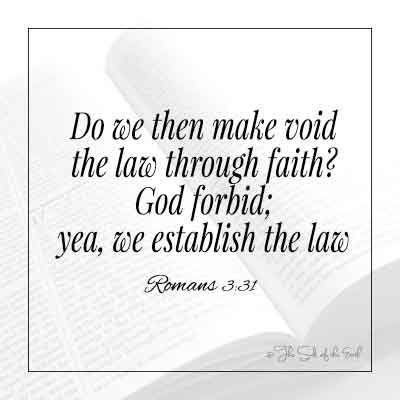
Vanhassa liitossa, the old man had already power to walk righteous in the darkness and resist sin through the obedience of the Law of Moses and because of that not sin, because otherwise Jesus had not commanded to sin no more.
Mutta Jeesus sanoi, mene äläkä enää syntiä tee. Therefore they were able to not sin
They couldn’t do anything about their fallen state and couldn’t change their sinful nature.
Kuitenkin, they could do something about the way they lived.
If the old man was already able to not sin, how much more is the new man, kuka on palautettu (Parantunut) langenneesta tilastaan syntisinä ja vanhurskaiksi Jeesuksen veren kautta ja sovitettuina Jumalan kanssa ja luotuina Jeesuksen kuvan mukaan ja joilla on Jumalan luonne, ei voi enää tehdä syntiä.
Kukaan, joka seuraa Jeesusta, ei kulje pimeydessä
Sitten Jeesus taas puhui heille, sanonta, Olen maailman valo: joka minua seuraa, ei vaella pimeydessä, mutta he saavat elämän valon (John 8:12)
Uusi mies ei ole vanha mies, joka vaeltaa pimeydessä ja jolla ei ole syntistä luontoa (paholaisen luonne) jota tämän maailman elementit hallitsevat ja joka kestää syntiä.

Mutta uudella ihmisellä on Jumalan luonne ja hän vaeltaa Hengen perässä valossa kuuliaisesti Isälle Jumalalle ja Hänen Sanalleen, eikä halua vaeltaa tottelemattomina Jumalalle pimeydessä, sillä uusi ihminen rakastaa Jumalaa yli kaiken.
Vanha mies, syntinen, ei elä enää. Mutta Kristus elää uudessa ihmisessä ja tulee näkyvämmäksi pyhitysprosessin aikana, kun henkilö on opetuslapsi ja uudistaa mielensä Jumalan sanalla ja riisuu vanhan miehen ja pukeutuu uuteen mieheen.
Kun uusi mies henkisesti kypsyy, uusi ihminen saa lisää vihollisia ja kokee enemmän ja enemmän väkivaltaisia henkisiä hyökkäyksiä pimeydestä. Tämä johtuu siitä, että maailma ja maailman hallitsija vihaavat uutta ihmistä, jossa Kristus asuu, aivan kuten maailma ja maailman hallitsija vihasivat Jeesusta. (A.O. John 7:7; 15:18-25, 1 John 2:15-17).
Paholainen tulee valon enkelinä, jolla on puolitotuuksia Raamatusta, jotka ovat valheita. Paholainen tekee kaikkensa kiusatakseen ihmisiä ja johtaakseen heitä harhaan ja hyökätäkseen ja tuhotakseen uuden ihmisen luomakunnan.
Jeesus ei tuominnut syntistä vaan tuomitsi aviorikoksen synnin
Jeesus ei ollut tullut maailmaan tuomitsemaan syntisiä ja panemaan täytäntöön synnin rangaistusta, Mikä on kuolema. Mutta Jeesus tuli pelastamaan syntiset ja saamaan iankaikkisen elämän. Siksi Jeesus sanoi, en minäkään sinua tuomitse.
Mutta Jeesus tuomitsi synnin, sanomalla, mene äläkä enää syntiä tee!
Jeesuksen sanojen väärinkäyttö synnin ikuistamiseen
Jumalan lapsi ei koskaan hyväksy syntiä ja ikuistaa syntiä ja vetoa syntisen puolesta ja hyväksy syntisten käyttäytymistä. Puhumattakaan, Käytä Jeesuksen sanoja hyväksyäksesi synnin ja ikuistaaksesi synnin. Mutta Jumalan lapsi tuomitsee aina synnin ja kutsuu syntisen parannukseen, synnin poistaminen. Koska Jumalan lapsi rakastaa lähimmäistänsä ja tietää totuuden, että synti johtaa kuolemaan eikä iankaikkiseen elämään.

Paholaisen lapsi suojelee, hyväksyä ja ikuistaa synnin ja ottaa kantaa syntisen puolesta ja vapauttaa syntinen, ja hiljentää vanhurskaat, ottamalla vastaan Jeesuksen sanat, "Joka on synnitön, heittäköön ensimmäisen kiven’ kontekstistaan ja käyttää niitä lihaksi.
Aivan kuten paholainen teki, kun hän kiusasi Jeesusta erämaassa, käyttämällä Jumalan sanoja lihalle.
Mutta Jeesus tunsi Isänsä ja Hänen tahtonsa, eikä paholainen kiusannut häntä. Jeesus voitti paholaisen Sanan totuudella ja käytti Jumalan sanoja oikeassa yhteydessä. (Lue myös: Minä annan teille maailman rikkaudet!).
Ja niin Jumalan pojat (Tämä koskee sekä miehiä että naisia) voittaa paholaisen pojat Jumalan sanan totuudella. Puolitotuuksia ei saa kiusata ja johtaa heitä harhaan, jotka eivät ole muuta kuin valheita.
Paholaisen lapsi on aina syntisen puolella, pimeys ja hänen isänsä paholainen. Kuitenkin, Jumalan lapsi inhoaa syntiä, aivan kuten hänen isänsä, ja tulee olemaan aivan kuten Jeesus, kutsua syntistä aina parannukseen. (Lue myös: Oliko Jeesus publikaanien ystävä? ja Hyödyllisyys parannukseen)
Raamatun kirjoitukset on irrotettu kontekstista ja niitä käytetään pimeyden valtakuntaan
Siksi tiedät tarkalleen, joka kuuluu pimeyteen (maailma) ja kuka kuuluu Jeesuksen Kristuksen valtakuntaan.
Jos olet katunut ja antanut henkesi syntisenä ja olet syntynyt uudesti Kristuksessa, olet tullut vanhurskaaksi. Ei teidän tekojenne kautta, vaan Jeesuksen Kristuksen lunastustyön ja Hänen verensä kautta.
Sana ja Pyhä Henki hallitsevat elämääsi. Uudesta luonnostasi ja uudesta vanhurskasta tilastasi, sinun tulee vaeltaa Hengen jälkeen kuuliaisena Jumalalle ja elää pyhänä ja vanhurskaana Jumalan tahdon mukaan.
Jokaisen seurakunnassa tulee syntyä uudesti Kristuksessa, vierailijoita lukuun ottamatta. Tämä on ehto, jonka Jeesus asetti seurakunnalleen, joka elää uudessa liitossa eikä vanhassa liitossa.
Kun menet kirkon veljen tai sisaren luo ja kohtaat hänet jollakin, joka on vastoin Jumalan tahtoa ja varoitat, korjata, tai kutsua häntä parannukseen, ja veljesi tai sisaresi tai joku muu, sanoo, “kuka luulet olevasi? He that is without sin cast the first stone”. Sitten voit tästä lähtien kumota nämä sanat Jumalan totuudella.
Sillä jos sanot olevasi uudestisyntynyt ja tullut vanhurskaaksi ja olet vapautettu synnistä ja kuolemasta, et enää palvele syntiä, paholainen ja kuolema, ja kantaa kuoleman hedelmää, mikä on syntiä. Mutta sinun tulee palvella Jeesusta Kristusta ja tehdä vanhurskaita tekoja ja kantaa Hengen hedelmää.
Paholainen yrittää pettää kaikkia ja pitää heidät orjuudessa valheillaan
Tämä Raamattu on irrotettu kontekstista ja sitä käytetään liikaa ja väärin sen varmistamiseksi, että kenenkään ei tarvitse muuttua, mutta jokainen voi pysyä sellaisina kuin on ja elää vanhana miehenä, synnin orjana. Ja juuri sitä paholainen haluaa. Paholainen haluaa pitää kaikki orjuudessa valheillaan. Paholainen käyttää tätä Raamattua, jonka hän otti kontekstistaan, ja sovelsi sitä seurakunnassa rakentaakseen valtakuntaansa ja antaakseen valtakuntansa hallita.
Lihallinen nimi kristitty, joka ei synny uudesti eikä tunne Sanaa kokemuksellisesti, joutuu harhaan ja uskoo hänen valheensa, koska he tuomitsevat lihallisen mielensä ja tunteidensa perusteella ja säälivät uhria (syntinen).
Mutta uudestisyntynyt kristitty, joka on uudestisyntynyt ja hengellinen, tuomitsee Sanan perusteella ja erottaa henget, ja tunnistaa valehtelevat uskonnolliset henget pimeydestä. Ja koska uskova tuntee Sanan eikä hänellä ole tiedon puutetta ja hän elää yhteydessä Isän Jumalan kanssa, Jeesus Kristus, Pyhän Hengen kautta, Joka pysyy uskovassa, hän kumoaa tämän valheen Jumalan totuudella.
Osittaiset totuudet ovat valheita, joita paholainen käyttää tehtävänsä suorittamiseen. Mutta älkää antako paholaisen harhaan, eikä hänen lastensa toimesta, vaan seuraa Jeesuksen esimerkkiä ja pysy Hänessä.
Älä koskaan pelästy äläkä lannistu näistä hurskaista sanoista, jotka eivät kutsu ihmisiä parannukseen ja pyhään elämään, mutta varmista, että syntinen pysyy sellaisena kuin hän on ja syntiä suvaitsee kirkossa ja paholainen pysyy jumalana ihmisten elämässä ja he pysyvät tämän maailman elementtien alaisia.
'Ole maan suola’